Fraud Blocker

Cylindrical door lock repair: what to know

Door Repair
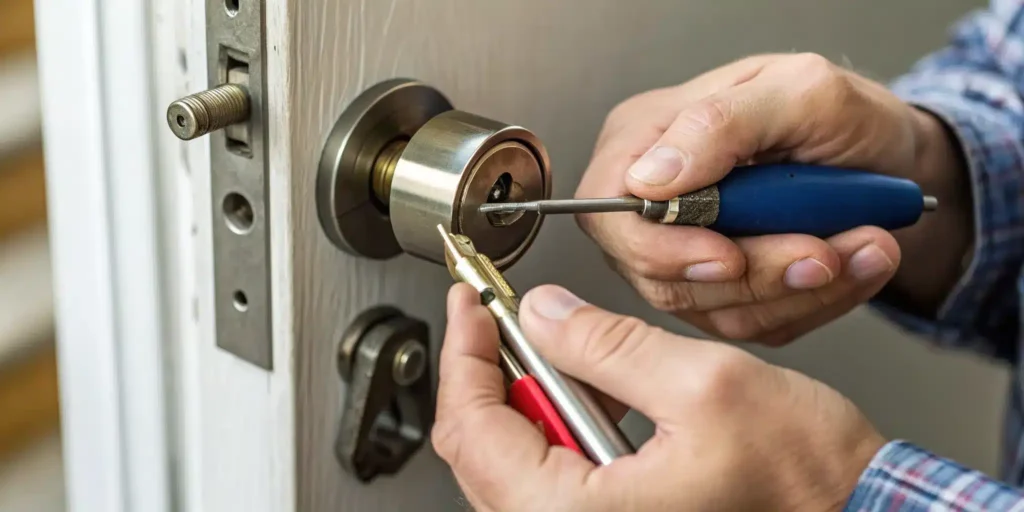
Hands repairing a cylindrical door lock with tools.

Your door lock is your first line of defense, so when it starts acting up, it’s easy to feel a little insecure. A lock that doesn’t latch properly or a cylinder that spins freely isn’t just inconvenient—it’s a vulnerability. The good news is that the standard cylindrical locks found on most residential doors are designed for durability and can often be fixed without needing a full replacement. Learning how to perform a cylindrical door lock repair is a valuable skill that helps you maintain your home’s security. We’ll show you how to spot the warning signs of a failing lock and provide clear instructions for making the necessary adjustments yourself.

Key Takeaways

  • Identify the problem first: Before taking anything apart, determine the root cause. A wobbly handle often just needs its screws tightened, while a sticky key might only require a quick cleaning and the right lubricant.
  • A little maintenance goes a long way: Keep your locks working reliably by cleaning the keyway with compressed air and lubricating the mechanism with a graphite or silicone spray every six months to prevent future jams.
  • Don’t risk your security on a complex fix: While tightening a screw is a simple DIY task, a broken internal part or a malfunctioning exterior door lock is a job for a professional. Forcing a key can cause more damage and compromise your safety.

What Is a Cylindrical Door Lock?

Chances are, you use a cylindrical door lock every single day. They’re one of the most common types of locks found on doors in homes and businesses, known for their reliability and straightforward design. The name comes from its core components, which are housed in a cylinder that passes through the door. A large, round hole is drilled into the door to fit the main lock body, and a smaller hole is drilled into the edge for the latch bolt. This simple but effective setup is why they’ve become a go-to for securing everything from your front door to your office.

If you’re dealing with a lock that’s giving you trouble, understanding its basic parts and functions is the first step toward a fix. These locks are generally durable, but like any mechanical device, they can wear out or get damaged over time. Knowing what to look for can help you decide whether it’s a simple DIY repair or a job for a professional.

How It Works: The Basic Parts

At the core of every cylindrical lock is the lock cylinder itself—that’s the part where you insert your key. Inside this cylinder is a series of small, spring-loaded pins of varying lengths. When you slide the correct key in, the unique cuts and grooves along the key align all the pins perfectly at a specific height, called the shear line. This alignment allows the cylinder to turn, which in turn retracts the latch and unlocks the door. It’s a simple, clever mechanism that provides security for countless residential properties. If even one pin is out of place, the cylinder won’t turn, keeping your door securely locked.

Common Types of Cylindrical Locks

While the basic pin-and-tumbler mechanism is similar across the board, cylindrical locks come in a few different styles to suit various needs. You’ll often find interchangeable lock cylinders in homes and office buildings, which are designed to be easily swapped out without replacing the entire lock assembly. This is handy for rekeying. Storefronts and other commercial buildings often use a different type of cylinder lock, sometimes called a mortise cylinder, which fits into a mortise lock body for added durability. Each type is designed with a specific level of security and use in mind, from a simple bedroom door lock to a high-traffic retail entrance.

Telltale Signs Your Lock Needs Fixing

Your door lock will usually give you a few warning signs before it fails completely. One of the most common issues is the key refusing to turn or feeling difficult to insert. You might also notice the lock cylinder spinning freely in the door without actually engaging the latch. Another clear indicator is a misalignment between the latch and the strike plate on the doorframe, which can make it hard to close the door. If your lock feels loose, wobbly, or completely jammed, it’s time to pay attention. These problems can be frustrating and, if ignored, could lead to a lockout situation requiring emergency service.

Gather Your Tools for the Job

Before you start taking anything apart, it’s smart to get all your tools in one place. Having everything you need on hand makes the job go much faster and saves you from running around looking for a screwdriver while your lock is in pieces. Think of it as setting up your workstation for success. Lay out a towel on your work surface to keep small parts from rolling away and to protect your door’s finish. This simple step does more than just keep you organized; it helps you approach the job with confidence. When you know you have everything you need, you can focus completely on the task.

This preparation phase is also your chance to assess the situation fully before committing. Take a good look at your lock and the tools you’ve gathered. Does anything seem out of place? Is the damage worse than you initially thought? Answering these questions now can save you from getting halfway through a repair only to realize you’re in over your head. If you find you’re missing a key component or the repair seems more complex than you thought, remember that a quick call can solve the problem without the headache. Getting the right tools ready is the first step to a successful fix and helps you avoid needing an emergency locksmith for a repair gone wrong.

The Must-Have Hand Tools

You don’t need a massive toolbox for this project, just a few key items. First, grab a set of screwdrivers, making sure you have both Phillips head and flathead types, as locksets use a variety of screws. A pair of needle-nose pliers will be your best friend for gripping small pins or springs that might otherwise get lost. It’s also a good idea to have a small adjustable wrench nearby, just in case you encounter any stubborn nuts or bolts holding the mechanism together. These basic hand tools will handle most of the disassembly and reassembly required for a standard cylindrical lock repair.

Don’t Forget Your Safety Gear

This might seem like a small job, but you should always put safety first. A simple pair of work gloves can protect your hands from sharp metal edges on the lock components or door frame. More importantly, wear a pair of safety glasses. It’s not uncommon for small springs or bits of debris to go flying when you’re working with the inner mechanics of a lock, and the last thing you want is something hitting you in the eye. It only takes a second to put them on, and it’s a habit that will serve you well in any home repair project.

Cleaners and Lubricants

Over time, locks collect a surprising amount of dust, grime, and gunk, which can cause them to stick. Before you start, have a can of compressed air or a soft brush handy to clean out the lock cylinder and its components. For lubrication, avoid oil-based products like WD-40, as they can attract more dirt and gum up the works. Instead, opt for a graphite or silicone-based lock lubricant. A quick spray into the keyway and on the latch mechanism will help everything move smoothly and can often solve sticking issues on its own.

Finding the Right Replacement Parts

Sometimes, a good cleaning isn’t enough, and you’ll find a part is genuinely broken. If you need to replace a spring, pin, or the entire cylinder, it’s crucial to get the right part for your specific lock model. You can often find a door lock repair kit online or at a hardware store that contains the most commonly needed pieces. Make sure to match the brand and model, as parts are not always interchangeable. If you’re struggling to identify your lock or find the correct components, our team can help with professional door repair and installation to ensure a perfect fit.

How to Diagnose Common Lock Problems

Before you can start any repair, you need to play detective. Understanding what’s causing the problem is the first step toward finding the right solution. Most lock issues fall into a few common categories, and identifying yours will help you decide if it’s a quick fix you can handle or a job for a professional. Let’s walk through some of the most frequent lock problems and what they might mean.

The Key Won’t Turn

It’s a frustratingly common scenario: you insert your key, but it simply refuses to turn. This could be a sign that the key itself is worn out, especially if it’s an old key you use every day. Try a spare key first to rule this out. If that doesn’t work, the problem is likely inside the lock. The internal pins might be stuck due to dirt or debris, or the cylinder could be misaligned. A quick spray of graphite lubricant can sometimes free up the pins. If the key still won’t budge, it’s best not to force it, as you could break the key off in the lock, creating a bigger problem.

The Lock Feels Loose or Wobbly

If your doorknob, lever, or the entire lock mechanism feels wobbly, the cause is usually simple: loose screws. Over time, the daily vibrations from opening and closing the door can cause the mounting screws to back out. Check the screws on the interior side of the door and on the latch plate along the door’s edge. Tightening them with a screwdriver often solves the issue. However, if the lock still feels loose after tightening, it could indicate that the internal parts are worn out or broken. This compromises your home’s security and means it’s time to consider a professional lock repair or replacement.

The Latch and Strike Plate Don’t Line Up

Does your door refuse to click shut unless you push or pull on it? This usually means the latch bolt isn’t aligning properly with the strike plate on the doorframe. Misaligned door locks are often caused by the house settling over time or by temperature fluctuations that make the door or frame swell and shrink. You can check the alignment by closing the door slowly and watching where the latch hits. Sometimes, simply tightening the screws on the door’s hinges can pull it back into place. If the misalignment is significant, you may need to adjust the strike plate, which can be a tricky job.

The Lock Is Jammed or Stuck

A jammed lock can feel similar to a key that won’t turn, but it often involves the bolt itself being stuck. This can happen when internal components get clogged with dirt, grime, or even rust. Stuck or jammed locks can often be resolved with a good cleaning and lubrication. Use a silicone or graphite-based spray designed for locks to flush out debris and get the parts moving smoothly again. If the bolt is stuck in the extended position and you’re locked out, it’s a clear sign you need an emergency locksmith to get you back inside without damaging your door.

The Latch Is Bent or Damaged

The latch is the small bolt that extends from the side of the door to hold it closed. If it’s bent or damaged, it may not retract properly when you turn the knob or engage correctly with the strike plate. This can happen from the door being slammed too hard, from an accident, or even from an attempted break-in. A damaged latch is a serious security risk because it can prevent the door from locking securely, leaving your property vulnerable. This isn’t something to ignore. For businesses especially, ensuring all entry points are secure is critical, making a call to a commercial locksmith a priority.

Your Step-by-Step Guide to Fixing Your Lock

Dealing with a finicky lock can be frustrating, but many common issues with cylindrical door locks—the kind you see on most bedroom and bathroom doors—are surprisingly simple to fix yourself. This guide will walk you through the basic steps to diagnose and handle minor lock problems. Before you start, remember that this advice is for simple mechanical fixes. If you’re dealing with a high-security lock, a broken key, or anything that feels beyond a simple adjustment, it’s always best to call a professional. Your security is what matters most.

First, a Few Safety Precautions

Before you grab your tools, take a moment to assess the situation. This guide is for interior cylindrical locks that have become loose or aren’t latching correctly. If your main entry door lock is malfunctioning, your home’s security could be at risk. For exterior doors or complex lock issues, proceeding with a DIY fix could potentially make the problem worse or compromise your safety. If you feel unsure at any point or find yourself locked out, don’t hesitate to call for help. A 24/7 emergency locksmith can resolve the issue quickly and safely without causing damage to your door.

How to Remove the Lock

To get started, you’ll need to remove the doorknob. Look closely at the base of the interior knob—the part closest to the door. You should find a tiny hole or a small slot. Grab a thin, sturdy tool like a paperclip, a small nail, or a precision screwdriver. Push your tool firmly into the hole to depress a hidden pin inside. While holding the pin down, you should be able to pull the doorknob straight off its shaft. If you’re having trouble getting a good grip, try holding the pin with a pair of pliers. Once the knob is off, the decorative ring behind it, called the rose, can usually be pried off gently.

Inspect the Inner Workings

With the knob and rose removed, you’ll see the lock’s inner mechanism. You should find a mounting plate held to the door by two visible screws. These screws are what hold the entire lock assembly together, and if they’re loose, it can cause the whole knob to feel wobbly. You might also see a small metal plate or strip inside the mechanism that has slipped out of place. This piece is part of the retractor assembly, which pulls the latch back when you turn the knob. If it has dropped down, it can prevent the latch from moving, effectively jamming the lock.

How to Make Basic Fixes

Now for the fix. If your lock was feeling loose, the solution is usually straightforward: use a Phillips head screwdriver to tighten the two screws on the mounting plate. Snug them up firmly, but be careful not to overtighten, which could strip the screws or damage the door. If the lock was jammed, locate the metal plate that has dropped down inside the mechanism. Gently push it back up into its proper position. These simple adjustments solve the majority of common lock issues. If the internal parts look bent, broken, or heavily worn, it might be time for a full lock repair or replacement.

Put It Back Together and Test Your Work

Once you’ve made your adjustments, it’s time to reassemble everything. Place the decorative rose back over the mechanism, then slide the doorknob back onto the shaft until you hear it click securely into place. Give it a gentle tug to make sure it’s on tight. Finally, test your work. Turn the knob several times to ensure the latch retracts and extends smoothly. If you have a locking button, test that as well. Use the key to lock and unlock the door from the outside. A successful repair means the lock operates just as it should, without any sticking or wobbling.

Keep Your Lock Secure and Maintained

Fixing a broken lock is a great skill, but preventing problems in the first place is even better. A little bit of regular attention can keep your cylindrical locks working smoothly for years, saving you from the headache of a sudden lockout or a key that just won’t turn. Good maintenance isn’t just about convenience; it’s a crucial part of your home’s security. By creating a simple routine and knowing when to upgrade, you can ensure your locks are always in top condition, protecting what matters most. Let’s walk through how to care for your locks and make smart decisions about their long-term health and security.

Create a Simple Maintenance Routine

You don’t need to be a locksmith to perform basic lock maintenance. A few minutes of care every six months can make a world of difference. Start by cleaning the lock inside and out. Wipe down the exterior and use a can of compressed air to blow dust and debris out of the keyway. Next, lubricate the internal mechanism with a dry, graphite-based or silicone-based lubricant. Avoid oil-based products like WD-40, which can attract more dirt over time. Finally, check that all screws on the lockset, faceplate, and strike plate are tight. Cylinder locks can sometimes get loose, but a quick tightening is often all that’s needed to fix them.

Should You Repair or Replace Your Lock?

Deciding whether to fix a finicky lock or buy a new one can be tricky. If your lock is just a bit sticky or the key is getting harder to turn, a repair is often the best route. A professional locksmith can take the lock apart, give it a thorough cleaning, and replace worn-out pins and springs to get it working like new. This is also a great time to have the lock rekeyed if you’re concerned about old keys. However, if the lock is severely rusted, has been damaged in a break-in attempt, or is simply old and outdated, replacement is your safest bet. A new lock provides peace of mind and updated security features.

What Do Lock Security Grades Mean?

When you’re thinking about your lock’s performance, it helps to understand that its security isn’t just about the brand. The American National Standards Institute (ANSI) grades locks from 1 to 3, with Grade 1 being the most secure and typically used for commercial buildings. Most homes use Grade 2 or 3 locks. Beyond the grade, a lock’s integrity can be compromised by external factors like built-up debris, loose parts from improper installation, or damage from vandalism. A high-grade lock won’t do its job if it’s not properly maintained or if the door frame itself is weak. For businesses needing top-tier protection, a commercial locksmith can help you choose and install the right Grade 1 hardware.

Consider These Security Upgrades

If your lock is consistently giving you trouble, it might be a sign that it’s time for an upgrade. One of the most common door lock problems is when the key refuses to turn, which can leave you stuck. Instead of just replacing it with a similar model, consider enhancing your security. High-security locks offer features like resistance to picking and drilling and control over who can duplicate your keys. You could also explore smart locks for keyless entry and the ability to grant access remotely. Don’t forget about the door itself; reinforcing the strike plate with longer screws can dramatically improve its resistance to being kicked in. A professional can help with door repair and installation to ensure your entire entryway is secure.

When to Call a Professional Locksmith

While fixing things yourself can be incredibly satisfying, some jobs are best left to a professional. A faulty lock isn’t just an inconvenience; it’s a security risk. If you’ve tried the basic fixes and are still struggling, or if the problem seems more complex than a simple jam, it’s time to call for help. A professional locksmith has the right tools and expertise to diagnose the issue quickly and fix it correctly without causing further damage to your door or lock mechanism. Knowing when to make that call can save you time, frustration, and money in the long run, ensuring your home or business remains secure.

Know When to Call for Help

Sometimes a lock problem is a clear signal of a deeper issue. If your key goes into the lock but refuses to turn, don’t force it. You could end up with a broken key stuck inside, creating a much bigger problem. This resistance often points to worn-out pins or a misaligned internal mechanism that requires professional attention. Another major red flag is when the key spins freely in the cylinder without engaging the lock. This usually means the cam or tailpiece connecting the cylinder to the lock mechanism has broken. In these situations, it’s best to call for emergency locksmith services to get the issue resolved safely and efficiently.

How to Choose the Right Locksmith

When you need a locksmith, you want someone reliable and trustworthy. Start by looking for a company with a strong local presence and positive customer feedback. Always check for credentials and reviews to ensure you’re hiring a qualified professional who stands by their work. It’s also smart to find a locksmith who specializes in your specific needs. Whether you need help with a simple residential lock or a more complex security setup for your business, an expert with the right experience will have the necessary tools and knowledge to handle the job correctly the first time. Don’t hesitate to ask for proof of insurance and identification upon arrival.

What to Expect From Service Costs

Understanding potential costs can help you feel more prepared when you call a professional. The price of a locksmith service can vary based on the complexity of the job, the time of day, and the parts required. For a common issue like a door lock cylinder replacement, you can generally expect the total cost to be a few hundred dollars. This price typically includes both labor and the cost of the new parts. A reputable locksmith will provide a clear and transparent quote before starting any work, so you know exactly what to expect. Be sure to ask for a breakdown of the costs so you can see what you’re paying for.

Simple Ways to Protect Your Locks

Once you’ve fixed your cylindrical lock, you’ll want to keep it working smoothly for as long as possible. A little preventative care goes a long way in extending the life of your locks and maintaining your home’s security. Think of it like any other part of your home—regular attention prevents bigger, more expensive problems down the road. By building a few simple habits, you can protect your locks from daily wear, harsh weather, and potential security threats. These straightforward tips will help you keep your locks in top condition, ensuring they work reliably when you need them most.

Quick Tips for Daily Lock Care

Taking care of your locks doesn’t have to be complicated. Start by regularly cleaning them to prevent dirt and grime from building up. Just wipe the exterior with a soft, dry cloth. For the keyhole and crevices, a can of compressed air or a small, stiff brush can clear out any debris that might cause the internal pins to stick. Once it’s clean, apply a quality silicone-based or graphite lubricant to the keyway. It’s important to avoid oil-based products like WD-40, as they can attract more dust and eventually gum up the mechanism, creating a bigger problem. A quick spray of the right lubricant once or twice a year is all it takes to keep everything moving smoothly and prevent frustrating jams.

Protect Your Locks From the Elements

If your lock is on an exterior door, it’s constantly exposed to the elements. Rain, snow, and humidity can lead to rust and corrosion, while freezing temperatures can cause the internal mechanism to seize up. To protect your lock, consider installing a weatherproof cover or a storm door for an extra layer of defense. For locks that are already showing signs of wear from the weather, applying a sealant can help shield them from moisture. This is especially important for properties in areas with harsh winters, as it can prevent your lock from freezing shut. Ensuring your entire entryway is secure is a key part of any door repair and installation project.

Plan for Long-Term Maintenance

Beyond daily care, it’s smart to have a long-term maintenance plan. Set a reminder to inspect all your locks every six months. Check for any looseness in the hardware, signs of rust, or difficulty turning the key. Catching these issues early can save you from a future lockout. It’s also a good idea to have your locks professionally serviced every few years. A professional residential locksmith can perform a thorough cleaning, make precise adjustments, and spot potential problems you might miss. This small investment ensures your locks remain secure and fully functional for years to come, giving you confidence in your home’s first line of defense.

Follow These Security Best Practices

Good maintenance is also about good security. If you’ve recently moved into a new home or lost a spare key, rekeying your locks is a simple and cost-effective way to secure your property without replacing the entire lock. This process changes the internal pins so that old keys will no longer work. If your locks are old or you’re looking for an upgrade, consider installing high-security locks. These are designed to resist picking, drilling, and bumping, offering a significant improvement over standard hardware. Modern security systems often include high-security locks as a foundational component, giving you peace of mind that your home is well-protected against potential intruders.

Related Articles

Frequently Asked Questions

I’ve heard I shouldn’t use WD-40 on my lock. Is that true? Yes, that’s great advice to follow. While it might seem like a quick fix for a sticky lock, oil-based lubricants like WD-40 actually attract dust and grime. Over time, this creates a gummy residue inside the lock mechanism that can make the problem much worse. Instead, you should always use a lubricant specifically designed for locks, like a graphite or silicone-based spray. These products lubricate the moving parts without creating that sticky buildup.

What’s the real difference between rekeying and replacing a lock? Think of it this way: rekeying is like changing the password, while replacing is like getting a whole new device. When you rekey a lock, a locksmith changes the internal pins so that your old keys no longer work, and you get a new set. This is a great, cost-effective option if your lock is in good condition but you’re concerned about who might have a key. Replacing the lock means swapping out the entire piece of hardware for a new one, which is the right move if your lock is old, damaged, or you want to upgrade your security.

My doorknob feels loose. Is that actually a security problem? It definitely can be. A wobbly doorknob or lockset is usually caused by loose mounting screws, which is a simple fix. However, if you ignore it, that looseness can put extra stress on the internal lock components and the door itself. A compromised lock is easier to force open, making it a legitimate security risk. Taking a minute to tighten those screws is one of the easiest ways to keep your door secure.

My key broke off inside the lock! What should I do now? First, don’t try to dig the piece out with tweezers or another key. You can easily push the broken fragment deeper into the cylinder or damage the pins, turning a straightforward extraction into a more complicated and expensive repair. This is the perfect time to call a professional. An emergency locksmith has specialized tools to remove the broken key without harming your lock.

How can I tell if my lock needs a simple repair or a full replacement? If your lock is just feeling a bit stiff or the latch isn’t aligning perfectly, a good cleaning, lubrication, or a few simple adjustments will often solve the problem. These are typical signs of wear that can be repaired. However, if you see visible rust, if parts of the lock are bent or cracked, or if the key spins freely without engaging the bolt, it’s time for a replacement. A damaged lock can’t be trusted to secure your home or business properly.

Need professional help in NYC? Contact Golden Key Locksmith NYC for Commercial Door Repair or Metal Door Repair. Available 24/7 across Manhattan and all NYC boroughs.

Related: what door lock repair costs in NYC