
We’ve all dealt with it: that one door in your apartment that just won’t click shut. You push it, you pull it, you might even give it a little hip check, but it just swings back open. That small but mighty piece of hardware responsible for this daily frustration is the door latch. It’s the mechanism that holds your door securely in its frame, providing privacy and peace. But not all latches are created equal. The one on your bedroom door is vastly different from the one securing your front door. Understanding the various door latch types is the first step to ensuring every door in your home or business functions perfectly. This guide will walk you through everything you need to know, from simple interior latches to high-security options for your main entrance.
Key Takeaways
- Layer Your Security with Both a Latch and a Deadbolt: Remember that a standard latch is for keeping a door closed, not for securing it. For any exterior door, pairing a spring latch with a separate, sturdy deadbolt is the most effective way to protect your home or business from forced entry.
- Match the Latch to Its Specific Job: The right hardware depends on the door’s location and function. An interior bedroom door needs a simple privacy latch, while a commercial exit requires a code-compliant panic bar. Considering the environment and use case ensures you get the right balance of convenience and security.
- Prioritize Proper Installation and Regular Upkeep: A high-quality latch is only effective if it’s installed correctly and maintained. Ensure the latch and strike plate are perfectly aligned and perform simple maintenance, like cleaning and lubricating, to prevent issues. For a secure, professional fit, especially with security upgrades, it’s always best to consult a locksmith.
What Is a Door Latch, Anyway?
We use them every day without a second thought, but what exactly is a door latch? Simply put, it’s the small piece of hardware that keeps your door closed. Think of it as the mechanism that clicks into place when you shut a door, holding it snug in its frame even before you’ve turned a key. It’s a fundamental part of any door, working quietly to give you privacy and keep the elements out. From interior bedroom doors to the front door of your apartment, the latch is the first line of engagement between the door and its frame.
The most common type is a spring-loaded latch, which has a slanted bolt that extends from the edge of the door. When you close the door, this bolt hits the strike plate on the frame, retracts, and then springs back into a hole, securing the door. This simple but effective device is what allows you to open the door with just a turn of a knob or a push of a handle. While it might seem like a minor detail, the right latch is essential for both the function and security of your home or business. Understanding how it works is the first step in making sure your doors are safe, reliable, and doing their job correctly. A faulty latch can lead to a door that won’t stay shut or, worse, one that won’t open when you need it to.
How It Works
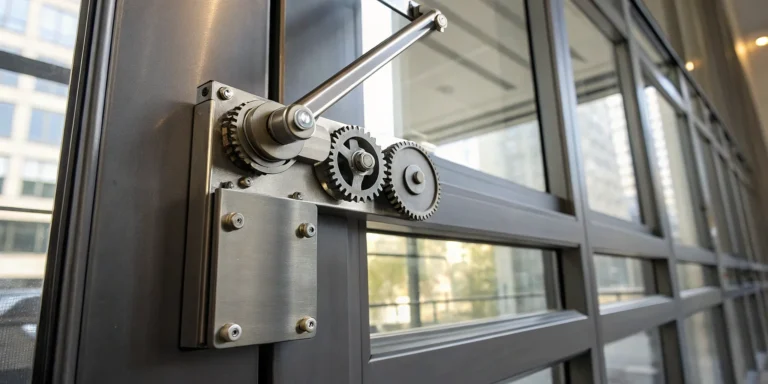
At its core, a door latch is a simple mechanical fastener. It consists of a bolt housed within the door, which extends into a small box or hole in the doorframe, known as the strike plate. This bolt is typically spring-loaded, meaning it’s designed to pop out automatically. When you turn your doorknob or press a handle, you’re retracting this bolt, which allows the door to swing open. Once you release the handle and close the door, the spring pushes the bolt back into the frame, holding it shut. It’s a straightforward mechanism that keeps moving parts—your door and its frame—temporarily held together until you decide to separate them.
Its Role in Your Security
While a door latch is great for keeping a door closed, its role in security is often misunderstood. A standard spring latch provides basic privacy and prevents a door from swinging open on its own, but it doesn’t offer much resistance against forced entry. That’s where a deadbolt comes in. Unlike a spring latch, a deadbolt is a solid, thick metal bolt that you must manually extend with a key or thumb-turn. It isn’t spring-loaded, making it much stronger and harder to bypass. For true protection, your exterior doors should always have both a latch and a deadbolt. Think of the latch as what holds the door shut, and the deadbolt as what truly secures it. This combination is a cornerstone of any effective residential locksmith security plan.
A Guide to Common Door Latch Types
Choosing the right door latch might seem like a small detail, but it plays a huge role in your daily convenience and overall security. From the simple latch on your bedroom door to the heavy-duty lock on your front door, each type is designed for a specific purpose. Understanding the differences will help you make the best choice for every door in your home or business. Let’s walk through the most common types you’ll find, so you can feel confident you have the right hardware keeping your space secure and accessible.
Mortice Latches for Interior Doors
If you’re looking for a latch with a clean, seamless look, the mortice latch is your answer. These are installed into a pocket—or mortice—cut into the edge of the door, so the mechanism is completely hidden from view. You’ll typically find them on interior doors in both homes and businesses, operated by a simple lever or doorknob. Because they sit inside the door, they offer a polished aesthetic that works with any style. They’re perfect for rooms where you need easy access but not high security, like a bedroom, closet, or home office. For any residential locksmith needs, ensuring these are installed correctly is key to a smoothly functioning door.
Rim Latches for Easy Upgrades
Often seen in older NYC apartments and historic homes, rim latches are mounted on the surface of the door instead of inside it. This design makes them incredibly easy to install, as you don’t need to carve out a section of the door. If you’re looking for a quick and straightforward upgrade that adds a bit of traditional character, a rim latch is a fantastic option. They are operated by a knob on one side and often a key on the other. While they offer basic security, their main appeal is their simple installation and classic look. If you need help with a new door installation, a professional can ensure your rim latch is perfectly aligned and secure.
Night Latches for Your Front Door
A night latch is a common sight on the inside of apartment front doors. It’s a type of rim latch that automatically locks whenever the door is closed, which is great for convenience. However, this feature is also a leading cause of accidental lockouts—something we all want to avoid. That’s why it’s crucial to pair a night latch with a separate, more secure deadbolt. The night latch provides quick locking, but the deadbolt offers the real security you need for an exterior door. If you ever find yourself locked out because of an automatic latch, a 24/7 emergency locksmith can get you back inside without any damage.
Panic Latches for Safe Exits
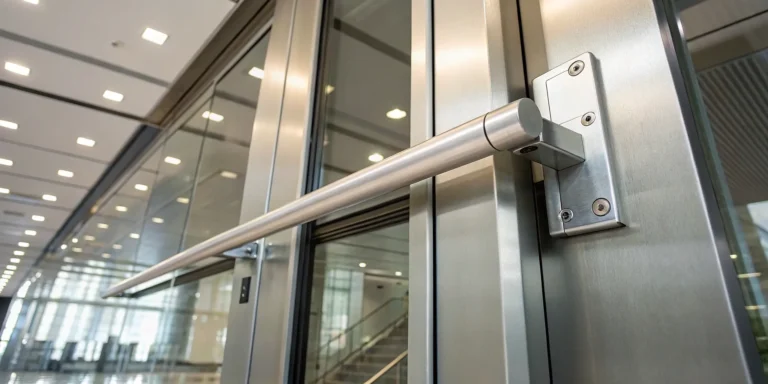
You’ve definitely seen panic latches, even if you don’t know them by name. These are the push bars found on emergency exit doors in commercial buildings, schools, and theaters. Their purpose is simple but critical: to allow large groups of people to exit quickly and easily during an emergency. A simple push on the bar retracts the latch, opening the door without needing a key or even a free hand. For business owners, having properly installed and functioning panic hardware isn’t just a good idea—it’s often a legal requirement for safety compliance. Our commercial locksmith services can help ensure your business meets all local safety codes.
Magnetic Latches for a Modern Look
For a truly modern and minimalist aesthetic, magnetic latches are the way to go. Instead of a traditional bolt, these latches use powerful magnets to hold the door shut. This allows for a silent, smooth, and satisfyingly soft close every time. You’ll find them on high-end interior doors, cabinets, and in commercial settings where a sleek design is a priority. They are also a key component in many advanced security systems, where they can be integrated with keypads or card readers for controlled access. Magnetic latches offer reliable latching with a clean, hardware-free appearance that’s perfect for contemporary spaces.
Deadbolt Latches for Extra Security
When it comes to securing your property, the deadbolt is non-negotiable. Unlike a spring-loaded latch that can be pried open, a deadbolt features a solid steel bolt that extends deep into the doorframe. It can only be moved by turning a key or a thumbturn, making it highly resistant to forced entry. This is your primary security feature for any exterior door, whether at home or your business. A deadbolt isn’t designed for convenience—it’s designed for protection. Always use it in conjunction with a locking doorknob or handleset to provide layers of security that keep your property safe.
Gate and Outdoor Latches
Latches for gates, sheds, and other outdoor structures need to be tough. Their main job is to keep a gate from swinging open in the wind, but they also need to withstand rain, snow, and sun without rusting or seizing up. These latches are typically surface-mounted for easy installation and are made from weather-resistant materials like galvanized or stainless steel. While most offer minimal security, you can find heavy-duty versions that can be padlocked for extra protection. From simple gravity latches to more complex spring-loaded designs, choosing the right one ensures your outdoor spaces stay closed and functional year-round.
What Makes a Great Door Latch?
When you’re choosing a door latch, it’s easy to focus just on looks. But a great latch does more than just complement your door; it provides security, stands up to daily use, and works without a fuss. The best ones blend strength, smart design, and user-friendliness. Think of it as the unsung hero of your door—it has a critical job to do, and the right features make all the difference in keeping your home or business secure and accessible.
Durable Materials
The foundation of any reliable door latch is the material it’s made from. You’ll want to look for strong metals like stainless steel, carbon steel, or aluminum, which provide the strength needed to resist force and wear over time. These materials ensure your latch won’t fail when you need it most. Some designs also incorporate plastic or rubber components, which might sound less sturdy but actually play a key role. These materials can absorb shock and reduce vibration, making the latch quieter and more resilient. A well-made latch from quality materials is a long-term investment in your property’s door repair and installation needs.
Key Security Features
A latch’s primary job is to keep your door secure, and specific features make some far more effective than others. For top-tier security, a deadbolt is a must-have. It’s a solid metal bolt that can only be moved with a key or thumbturn, making it tough to force open. Another smart option is a deadlatch, which has a smaller, secondary bolt that prevents the main latch from being slipped open with a credit card or knife. For maximum protection, especially in a commercial setting, a deadlock requires a key to operate from both sides. Understanding these features is the first step toward building stronger security systems for your space.
Weather Resistance
If your latch is for an exterior door or gate, its ability to withstand the elements is non-negotiable. Rain, snow, and humidity can cause rust and corrosion, leading to a latch that sticks or fails completely. Look for latches specifically designed for outdoor use, often with finishes that resist moisture and temperature changes. Gate latches, for example, are built to handle tough conditions and come in various mechanisms like spring-loaded or gravity-based designs to ensure they function reliably year-round. A weather-beaten latch can easily lead to a lockout, so choosing a durable one can save you a call to an emergency locksmith.
Ease of Use
Security is crucial, but a great latch should also be easy to operate every single day. You don’t want to struggle with a stiff or complicated mechanism just to get inside. Features like a spring latch, which has a bolt that automatically extends when the door closes, offer incredible convenience. This simple function ensures your door latches securely behind you without any extra effort. For a business, a latch that is intuitive and smooth is essential for good traffic flow. A commercial locksmith can help you find a latch that perfectly balances robust security with effortless daily use for your employees and customers.
How to Choose the Perfect Door Latch
Picking the right door latch can feel like a small detail, but it’s one of the most important decisions you’ll make for your property’s security and daily convenience. A great latch does more than just keep a door closed; it provides peace of mind, complements your style, and stands up to daily use. With so many options out there, it’s easy to feel overwhelmed. But don’t worry—I’m here to walk you through it. The key is to think beyond aesthetics and consider what you truly need. We’ll look at how your requirements change whether you’re securing a home or a business, why the door itself matters, and how your environment plays a huge role in your choice. By breaking it down, you can confidently select a latch that’s the perfect fit for your space.
Home vs. Business Needs
The right latch for your apartment front door is likely different from the one needed for a bustling storefront in Brooklyn. For your home, you’re probably balancing security with style and ease of use for your family. A sturdy deadbolt latch on exterior doors is a must-have for any residential locksmith service, while interior doors might just need a simple passage or privacy latch.
For a business, the focus shifts to durability, compliance, and managing access. A commercial property sees much more foot traffic, so you’ll need a heavy-duty latch that can handle constant use. You also have to think about employee and customer safety, which might mean installing panic latches on emergency exits. A professional commercial locksmith can help you find options that meet security standards and can withstand the demands of a commercial environment.
Match the Latch to Your Door
A door latch should feel like a natural part of the door, not an afterthought. To get that seamless fit, you need to match the latch to your door’s material, thickness, and style. A heavy-duty mortice latch that’s perfect for a solid wood door would be completely wrong for a hollow-core interior door, which typically uses a simple tubular latch. The material of your door—whether it’s wood, metal, or fiberglass—will also dictate the type of hardware you can install.
Beyond the technical fit, think about the look. You want the finish and style of the latch to complement your door and the surrounding decor. Whether you prefer a modern matte black or a classic polished brass, the right hardware can tie a room together. If you’re unsure about compatibility, a professional door repair and installation service can ensure you get a perfect match.
Consider Your Environment
Where your door is located plays a big part in choosing the right latch. An exterior door in Queens that’s exposed to rain, snow, and humidity needs a latch made from weather-resistant materials like stainless steel or brass to prevent rust and corrosion. A poorly chosen latch can quickly fail, leaving you calling for an emergency locksmith in the middle of a storm.
For interior doors, think about the room’s function. A bathroom or bedroom door needs a privacy latch with a simple locking mechanism, while a closet door might only need a passage latch that doesn’t lock at all. It’s also important to ensure every latch is installed firmly. A loose or wobbly latch isn’t just annoying—it’s a security risk that can fail when you need it most.
Check Local Building Codes
This is a step many people miss, but it’s incredibly important, especially in New York City. Local building codes often have specific requirements for door hardware, particularly for commercial buildings and multi-family residences. For example, fire-rated doors must be equipped with certified latches that help prevent the spread of smoke and flames. Emergency exits are legally required to have panic bars or latches that allow for quick, easy escape.
Failing to comply with these codes can result in fines and, more importantly, can compromise the safety of your family, employees, or tenants. When upgrading your locks or installing new security systems, it’s always a good idea to consult with a professional who understands NYC’s specific regulations to ensure everything is up to code.
Exploring Smart Latch Technology
Technology has found its way into nearly every part of our homes, and door latches are no exception. Smart latches go beyond the basic function of keeping a door closed; they offer a new level of security, convenience, and control. These advanced systems integrate with your digital life, allowing you to manage access to your home or business from anywhere. Whether you’re looking to upgrade your home security or streamline entry for your commercial property, exploring smart latch technology is a step toward a safer, more connected space.
Digital Security Upgrades
Modern door latches have evolved far beyond simple mechanical bolts. Today’s smart electronic locks use keypads, RFID cards, Bluetooth, or Wi-Fi to provide keyless entry and remote control. This means you can grant access to a visitor while you’re at the office or check if you remembered to lock the door from your phone. These digital upgrades offer a flexible and powerful way to manage who enters your property. Instead of handing out physical keys that can be lost or copied, you can assign temporary digital codes or grant access with a simple tap on your smartphone, giving you complete oversight of your security.
The Convenience of Keyless Entry
One of the most celebrated features of smart latches is the sheer convenience of keyless access. Think about arriving home with your hands full of groceries or trying to get inside during a downpour—fumbling for keys is the last thing you want to do. Electronic locks eliminate that hassle entirely. You can unlock your door with a simple code, a fingerprint, or even your phone as you approach. This not only makes your daily routine smoother but also enhances security. You no longer have to worry about lost or stolen keys, making it a practical upgrade for any residential property.
Understanding Multi-Point Locking
For those seeking an even higher level of security, multi-point locking systems are a fantastic option. Unlike a standard latch that secures the door at a single point, a multi-point system uses a handle connected to long bars that lock the door at multiple points along the frame—typically at the top, middle, and bottom. This design provides incredible strength against forced entry, making it much harder for anyone to pry the door open. As an added benefit, the multiple connection points help hold the door straight and true, preventing it from warping over time due to temperature changes or humidity.
Built-in Tamper Protection
A major advantage of many smart latches is their ability to actively protect against break-ins. These systems are designed with features that prevent tampering and alert you to suspicious activity. For example, if someone tries to force the lock or enter an incorrect code too many times, an alarm can sound to scare off the intruder and notify you or your security company. This proactive approach means your lock isn’t just a passive barrier; it’s an active part of your security system. It provides an essential layer of defense and peace of mind, knowing your property is being monitored even when you’re not there.
How to Install Your New Door Latch
Ready to tackle the installation yourself? With the right tools and a bit of patience, installing a new door latch is a totally manageable project. Taking the time to do it correctly ensures your door not only looks great but also functions smoothly and securely. Just remember, if you ever feel out of your depth, our team is always here to help with professional door repair and installation.
Get Your Measurements Right
Before you even think about picking up a drill, grab your tape measure. Accurate measurements are the foundation of a successful installation. The most critical measurement is the “backset”—the distance from the edge of the door to the center of the hole for the doorknob. Standard backsets are typically 2-3/8 inches or 2-3/4 inches. Getting this wrong means your new latch won’t fit. You should also measure the thickness of your door to ensure the latch is compatible. The best approach is to measure the door width, note the existing hardware’s finish, and choose a new latch that matches both the specs and your style.
Gather Your Tools
Having all your tools ready before you start will make the process much smoother. You don’t want to be scrambling to find a screwdriver while holding a door handle in place. Here’s a basic list of what you’ll likely need:
- A power drill with various bits
- A sharp wood chisel and a hammer
- A set of screwdrivers (both Phillips and flathead)
- A tape measure and a pencil
- A spirit level
That last one is more important than you might think. Use a spirit level to ensure your markings are perfectly straight. A crooked latch doesn’t just look off; it can cause the mechanism to bind or fail over time, compromising your security.
A Step-by-Step Installation Guide
While every latch comes with its own specific instructions, the general process is fairly consistent. First, use your new latch as a template to mark where you need to drill on the door’s edge and face. Next, drill the required holes, being careful not to splinter the wood. You’ll then need to chisel out a shallow recess, or mortice, on the door’s edge so the latch plate sits flush with the surface. Once that’s done, you can slide the latch mechanism into place and secure it with screws. Finally, install the handles or knobs and attach the strike plate to the door jamb, making sure it aligns perfectly with the latch bolt.
Common Mistakes to Avoid
One of the most frequent DIY errors is misaligning the latch and the strike plate. If they don’t line up perfectly, your door won’t close or lock properly. It’s a frustrating mistake because you often don’t realize it until you’ve already screwed everything in. Another common issue is over-tightening the screws, which can warp the housing and cause the internal mechanism to stick. Also, be sure to match the latch to your door material and consider its security rating for your needs. If you find yourself struggling or just want the peace of mind that comes with a perfect fit, our residential locksmith team can handle the installation for you.
Keep Your Door Latch Working Smoothly
A door latch is one of those things you don’t think about until it stops working. A sticky mechanism or a door that won’t click shut can be more than just an annoyance—it can be a real security risk. The good news is that a little bit of care can go a long way in keeping your latches in top shape. Regular maintenance not only extends the life of your hardware but also ensures it functions effectively when you need it most. By following a simple routine and knowing how to spot trouble, you can make sure your doors close securely every single time. Let’s walk through how to maintain your latches, fix common issues, and recognize when it’s time to call in the pros.
A Simple Maintenance Routine
Keeping your door latch in good working order doesn’t require a lot of time or special skills. A few minutes of attention every six months can prevent major headaches down the road. Start by cleaning the latch bolt and the strike plate on the door frame with a soft cloth and a mild cleaner to remove any built-up grime. Next, check all the screws on the latch mechanism and strike plate to ensure they’re tight. Finally, apply a dry lubricant like a graphite or silicone-based spray directly into the latch mechanism. This simple lubrication process prevents sticking and ensures smooth operation, helping your hardware last for years.
How to Fix Common Problems
Even with regular care, you might run into a few common issues. If your latch is sticking or hard to turn, it’s often due to a misaligned strike plate. You can sometimes fix this by slightly loosening the screws on the strike plate and adjusting its position until the latch engages smoothly. Another frequent problem is loose hardware, which can affect the lock’s stability and function. This is often caused by screws that have loosened over time or by using incorrect hardware for your door type. Take a moment to tighten any wobbly handles or faceplates. If the screws keep coming loose, you may need slightly larger ones to get a secure fit.
Know When It’s Time for a Replacement
Sometimes, a latch is simply beyond repair. Obvious signs like rust, cracks in the metal, or a bolt that no longer extends or retracts properly mean it’s time for a replacement. If the latch feels gritty or you have to jiggle the handle to get it to work, its internal components are likely worn out. Ignoring these signs can lead to a lockout or a security vulnerability. When choosing a new latch, remember that common mistakes include not matching the hardware to your door material or overlooking security ratings. If you’re unsure what to choose, our team can help with professional door repair and installation to ensure your new hardware is a perfect fit.
When to Call a Professional
While tightening a screw is a simple DIY task, some jobs are best left to a professional. Properly installed door locks are vital to your home’s security, and an incorrect installation can create safety hazards or cause the lock to malfunction. If your door frame is damaged, the latch is completely broken, or you’re looking to upgrade your overall security, it’s time to call a locksmith. A professional can assess the situation, recommend the right hardware, and ensure it’s installed perfectly. For urgent issues, like a door that won’t lock at all, our emergency locksmiths are available 24/7 to secure your home or business right away.
Related Articles
- Understanding Different Lock Types: A Quick Overview
- DIY Guide To Fix A Door Handle That Turns But Doesn’t Open: Fix Door Handles
- How to Choose the Right Lock for Your Needs
- How To Fix A Broken Door Lock Step-by-Step
- How To Keep An Exterior Door Open Safely
- Informative & Engaging
Frequently Asked Questions
Do I really need a deadbolt if my door latch already locks? Yes, absolutely. Think of your locking doorknob or handle as the first line of defense that keeps your door conveniently shut. A deadbolt, on the other hand, is your main security feature. Its solid metal bolt extends deep into the doorframe and isn’t spring-loaded, making it far more resistant to being forced open. For any exterior door, using both a latch and a deadbolt provides the layered security you need to properly secure your home or business.
My door isn’t closing properly. Is it always the latch’s fault? Not always. While a misaligned or faulty latch is a common reason for a door not closing smoothly, the problem can sometimes be with the door itself. Over time, a house can settle, or a door can warp due to humidity, causing it to fall out of alignment with the frame. The hinges could also be loose or worn out. If you’ve checked that the latch and strike plate are aligned and the door still won’t close right, it’s a good idea to have a professional take a look to diagnose the real issue.
Can I use the same type of latch on my front door and my bedroom door? You shouldn’t. The needs of an exterior door are completely different from an interior one. Your front door requires a high-security latch and deadbolt combination built from weather-resistant materials to protect against both intruders and the elements. For a bedroom or bathroom, a simple privacy latch that can be locked from the inside is all you need. Using an exterior-grade lock on an interior door is overkill, and using an interior latch on an exterior door is a major security risk.
Are smart latches more secure than a traditional deadbolt? A smart latch’s security really comes down to its physical strength, just like a traditional lock. The “smart” features add incredible convenience, like keyless entry and remote access, but they don’t necessarily make the lock harder to break by force. A high-quality traditional deadbolt can be just as secure as a well-built smart lock. The best choice depends on whether you prioritize the convenience and control of smart technology or the straightforward reliability of a classic deadbolt.
How often should I be checking or maintaining my door latches? A quick check-up twice a year can prevent a lot of future problems. A good habit is to inspect your latches when you change the batteries in your smoke detectors. Just take a few minutes to wipe down the latch bolt and strike plate, tighten any loose screws on the handles and plates, and apply a dry lubricant like graphite spray to keep the mechanism moving smoothly. This simple routine helps ensure your locks work reliably for years to come.
Need professional help in NYC? Contact Golden Key Locksmith NYC for Commercial Door Services or Metal Door Installation. Available 24/7 across Manhattan and all NYC boroughs.