Let’s talk about a project that lands on many property owners’ to-do lists: upgrading to fire doors. While the goal is straightforward—increase safety—the execution can be tricky. You might look at your sturdy, existing door frames and think, “Why replace what isn’t broken?” This is the core of the challenge behind fitting fire doors to old frames.
It’s a task that requires more than just basic carpentry skills; it demands a deep understanding of fire safety engineering. A gap that’s a millimeter too wide or a hinge that isn’t fire-rated can compromise the entire system.
This article serves as your practical guide, explaining how to properly assess a frame, what hardware is non-negotiable, and how to get the installation details right so your fire door provides the protection it was designed for.
Key Takeaways
- Opt for a complete fire door set for guaranteed safety: The most reliable way to ensure compliance and protection is to install a certified set where the door, frame, and hardware have all been tested to work together, eliminating any guesswork.
- Pay close attention to gaps and hardware: A fire door is only effective if the gap around it is a consistent 3mm and every component—from hinges to the latch—is fire-rated. Using the wrong hardware or an improper fit can make the door useless in a fire.
- Hire a professional and perform regular checks: Due to strict code requirements, this isn’t a DIY job. After professional installation, make a habit of checking that the door closes and latches securely on its own to ensure it remains ready to protect you.
What is a Fire Door and Why Does it Matter?
You’ve probably walked through dozens of fire doors without giving them a second thought. They often look like heavy, plain, or solid doors in apartment building stairwells, commercial kitchens, or office hallways. But a fire door is much more than just a door; it’s an engineered safety device. Its primary job is to act as a barrier, slowing down the movement of flames and smoke, a process known as compartmentalization.
These doors are a crucial part of a building’s overall fire safety strategy, working to contain a fire and protect escape routes.
By keeping a fire in a single area, these doors give people valuable time to get out safely. They also limit property damage by keeping the fire from consuming an entire building. Think of it as a critical line of defense that holds back the danger while you and your family or colleagues get to safety.
In a place like New York City, where buildings are tall and densely populated, the role of a fire door is even more critical. It can be the single most important element in preventing a small, manageable fire from turning into a building-wide catastrophe. That’s why proper door repair and installation is not just a matter of building code compliance, but a fundamental aspect of protecting lives and property.
A correctly installed and maintained fire door is a non-negotiable element of building safety.
How Fire Doors Stop Fires
Unlike a standard interior door, which would quickly burn through, a fire door is built to withstand intense heat for a specific period—typically from 20 minutes up to 90 minutes or more. This is known as its fire rating. They are constructed with a core of fire-resistant materials like gypsum, steel, or specialized timber composites.
When a fire breaks out, the door’s robust construction contains the flames within one room or area. This containment is vital for protecting a building’s structural integrity and, more importantly, for keeping hallways and stairwells clear for evacuation. The door doesn’t just block flames; it also helps slow the spread of flames and smoke, which is often the greatest threat to life during a fire.
The Key Parts of a Fire Door
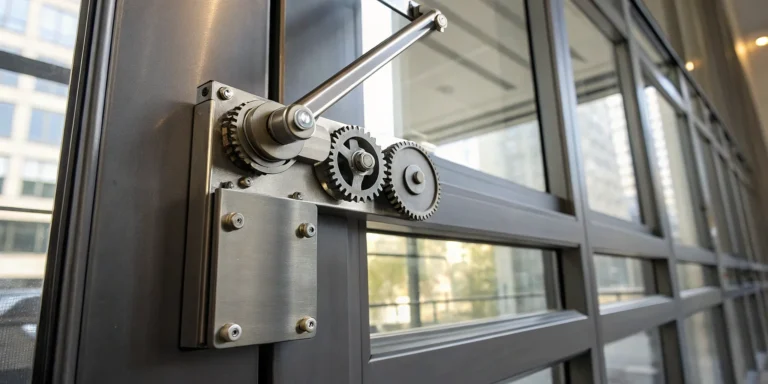
A fire door is a complete system, and it’s only effective if all its parts are present and working correctly. The main slab of the door is called the door leaf, which contains the fire-resistant core. This leaf sits inside a compatible, fire-rated door frame. Around the edges of the door or frame, you’ll find intumescent seals.
These are strips that look unassuming but perform a critical function: when exposed to heat, they rapidly expand to many times their original size, sealing the gaps between the door and the frame. This seal prevents smoke and hot gases from pushing through. All hardware, including the hinges, latches, and closing mechanisms, must also be designed to withstand fire and smoke to ensure they don’t fail under high temperatures.
Can You Install a Fire Door in an Existing Frame?
It’s a common question for property owners: can you fit a new fire door into a frame you already have? While it might seem like a straightforward way to upgrade, the answer is a bit complicated. For guaranteed safety and compliance, a fire door should be installed as a complete “fire door set,” which includes the door, frame, and hardware, all tested and certified to work together.
Using an old frame introduces variables that can compromise the door’s effectiveness in a fire. Before you decide, you need to carefully evaluate if your current frame is truly up to the task.
Check if Your Frame is Strong Enough
First things first, a fire door is significantly heavier than a standard interior door. Your existing frame must be strong enough to support this extra weight without warping or failing over time. An old or softwood frame likely lacks the density and structural integrity needed. Ideally, the frame should be made of a suitable solid hardwood and be in excellent condition, free of rot, cracks, or damage.
A professional assessment is the best way to know for sure, as a weak frame completely undermines the door’s purpose. Proper door repair and installation ensures the entire structure is sound.
Ensure the Door and Frame are Compatible
A fire door’s rating—like FD30, which means it offers 30 minutes of fire resistance—applies to the entire doorset as it was tested in a lab. When you place a certified fire door into an old, untested frame, you break that certified system.
The frame itself may not offer the same level of fire resistance, and even tiny gaps between the door and frame can allow smoke and flames to pour through, defeating the door’s purpose. True compatibility means the door and frame are proven to work as a single unit to contain a fire.
When You Can Keep Your Old Frame
In some situations, like in older buildings where removing a well-integrated hardwood frame would cause significant damage, you might be able to adapt it. This process involves modifying the frame to fit intumescent strips, which are special seals that expand when exposed to heat. This expansion seals the gap between the door and the frame, helping to block fire and smoke.
However, it’s important to understand that this is a practical workaround, not a fully certified solution. It improves fire resistance but doesn’t carry the same performance guarantee as a brand-new, complete fire door set.
How to Modify an Old Frame for a Fire Door
If you’ve determined your existing frame is a good candidate for a fire door, you can’t just hang the new door and call it a day. To meet safety standards, the old frame needs a few critical upgrades. These modifications ensure the entire door assembly—the door, frame, and hardware—works together as a system to block fire and smoke.
Getting these steps right is essential for the door to perform correctly during an emergency. Here’s what you need to do to prepare your old frame.
Install Intumescent Strips and Seals
This is one of the most important steps. Intumescent strips are special seals that you fit into grooves in the door frame or the door itself. When exposed to high heat, they expand dramatically to seal the gap between the door and the frame. This action is crucial because it stops smoke and flames from sneaking through, buying precious time during a fire.
You’ll also need smoke seals, often combined with intumescent strips, to block cold smoke. Proper door repair and installation ensures these seals are fitted perfectly, as even a small gap can compromise the entire setup.
Reinforce and Align the Frame
Fire doors are much heavier than standard doors, so your old frame must be strong enough to support the extra weight without warping or sagging. A misaligned frame can prevent the fire door from closing and latching properly, making it ineffective. Before installation, check the frame for any signs of weakness, rot, or damage. It might need reinforcement with new screws or additional wood.
Ensuring the frame is perfectly plumb and square is key. While modifying a frame is possible, it’s sometimes simpler and safer to replace it entirely for a secure fit.
Upgrade to Fire-Rated Hardware
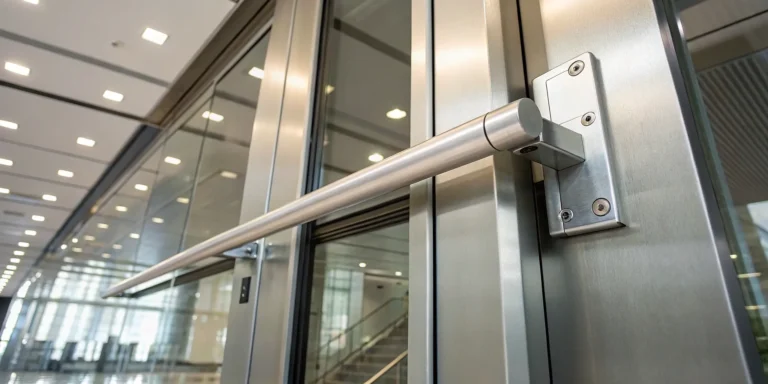
The hardware is just as important as the door and frame. Standard hinges, locks, and closers are not designed to withstand a fire. You must use hardware that is specifically fire-rated, including at least three fire-rated hinges, a fire-rated latch, and a certified door closer to ensure the door shuts automatically.
Using a complete fire door set means all components have been tested together and will function as a cohesive unit. Upgrading the hardware is a core part of any professional commercial locksmith service when installing fire doors to meet building codes.
What Building Codes Do You Need to Follow?
Fitting a fire door correctly is more than just a home improvement project—it’s a critical safety measure that’s regulated by law. Building codes aren’t just red tape; they are life-saving rules designed to ensure your fire door performs exactly as it should during an emergency. Getting this right means protecting your property, your family, or your employees.
To make sure your installation is fully compliant, you’ll need to get familiar with a few key areas: the national safety standards that set the baseline, the certification process that proves your door is up to snuff, and the local approval process you’ll need to follow.
Understanding Key Fire Safety Standards
Think of fire safety standards as the official rulebook for your fire door installation. The most important one to know is NFPA 80, a comprehensive standard that covers everything from how fire doors should be installed to their ongoing inspection and maintenance. This isn’t just a suggestion; it’s the industry benchmark that ensures every component of your fire door assembly works together to block smoke and flames.
Following these guidelines is crucial, especially when fitting a new door into an old frame, as it guarantees the door will provide the protection it was designed for. You can find detailed information on the National Fire Protection Association’s website to better understand these requirements.
Know the Certification Requirements
Once your fire door is installed, you need proof that it meets all the necessary standards. That’s where certification comes in. According to safety regulations, your fire door assembly must be inspected and tested by a qualified professional immediately after installation. After that initial check, it needs to be re-inspected at least once a year. This isn’t a step you can skip.
An inspector will verify that every part—from the door itself to the frame, hinges, and seals—is working correctly and complies with the code. This annual fire door certification is your official record that the door is ready to protect you in a fire.
The Building Control Approval Process
While national standards like NFPA 80 provide a great foundation, your local building codes are the ultimate authority. New York City has specific regulations that you must follow, and you may need to get approval from your local building department before and after the installation. These model codes are in place to ensure that every aspect of the installation contributes to life safety and property protection.
Before you begin any work, it’s always a smart move to consult with a professional locksmith or your local building authority to understand the exact requirements for your property. This ensures your project goes smoothly and avoids any compliance issues down the road.
How to Get the Installation and Fit Right
Getting a fire door installed isn’t like hanging a new bedroom door. Precision is everything because its ability to protect you in an emergency depends entirely on how well it’s fitted. A small mistake, a gap that’s a millimeter too wide, or a latch that doesn’t quite catch can compromise the entire setup, rendering it useless when you need it most.
The process boils down to three key stages: getting the measurements perfect, sealing all the gaps correctly, and testing the final installation to make sure it functions exactly as it should. While it might seem straightforward, each step has specific requirements that must be met to comply with fire safety codes and, more importantly, to keep people safe. This is one area where a DIY approach can have serious consequences.
Calling in a professional for door repair and installation is always the smartest move to ensure your safety and compliance. They have the tools and expertise to handle the nuances of the job, from frame assessments to final adjustments, giving you peace of mind that the job is done right.
A properly installed fire door is an active part of your building’s life safety system, and its installation deserves the highest level of care and attention to detail.
Proper Measuring and Fitting Techniques
When it comes to fire doors, a “close enough” measurement just won’t do. For the best possible protection, safety experts recommend replacing the door and frame together as a complete “fire door set.” This ensures every component has been tested and certified to work as a single unit, taking any guesswork out of the equation. If you must use an existing frame, the measurements need to be flawless.
The new door must fit snugly within the frame, leaving just enough space for the essential intumescent seals to be installed correctly. An improper fit can create gaps that render the door ineffective against smoke and flames, which defeats its entire purpose.
Manage Gaps and Install Seals Correctly
The small gap around the perimeter of a fire door is its most vulnerable point. To solve this, special intumescent strips are fitted into the frame or the door itself. When exposed to high heat, these strips expand dramatically to seal the gap, preventing fire and smoke from pushing through. It’s crucial that these seals are installed correctly and are continuous around the entire door.
If you’re retrofitting a fire door into an old frame, adding these strips is a non-negotiable step. Proper installation ensures there are no weak points, giving you a complete barrier when you need it most. This attention to detail is a core part of any professional emergency locksmith service.
Test the Door to Ensure it Works
Once the door is installed, you have to confirm it operates correctly. A fire door is part of a complete safety system, and it must function perfectly to maintain its certification. The most important test is checking the self-closing mechanism. Open the door to any angle and let it go—it should close firmly and engage the latch every single time without slamming.
Check that there’s no binding or sticking as it moves. If the door doesn’t latch securely on its own, it won’t be able to hold back a fire. This simple check ensures your door is ready to perform its life-saving function and is a key part of a comprehensive security plan.
Common Installation Mistakes to Avoid
Fitting a fire door into an existing frame requires precision. Even small errors can compromise the door’s ability to protect you in a fire. Getting it right means avoiding a few common pitfalls that can easily be overlooked during a DIY installation. Let’s walk through the most critical mistakes to ensure your fire door performs exactly as it should when you need it most.
Failing to Assess the Frame Properly
One of the biggest mistakes is assuming any old frame will do. A fire door is only as strong as the frame holding it. Before buying the door, the existing frame needs a thorough inspection for damage, rot, or warping. The safest approach is to install a ‘fire door set,’ which includes a new door and a frame tested and certified together. This removes the guesswork.
If you’re set on keeping the old frame, a professional door installation expert can assess if it’s structurally sound and compatible with a modern fire door.
Incorrect Gaps and Poorly Installed Seals
The space around the door is just as important as the door itself. Gaps between the fire door and the frame must be consistently around 3mm. If they’re too wide, fire and smoke can pass through. If they’re too tight, the door won’t close properly, especially when the intumescent seals expand with heat. These special seals, which swell up to block gaps during a fire, must be installed perfectly.
Rushing this step or getting the placement wrong can make the entire assembly ineffective, so precision is key.
Using Hardware That Isn’t Fire-Rated
A fire door is a complete system, and that includes all the hardware. Every component—from the hinges and latch to the door closer and locks—must be fire-rated. It’s a common mistake to reuse old hardware or buy standard parts to save money, but this undermines the door’s purpose. Non-rated hardware will fail under high heat, causing the door to warp or fall open.
For businesses, using the correct components is essential for compliance, making a commercial locksmith service invaluable for ensuring every part of the installation meets strict safety codes.
When Should You Replace the Entire Frame?
While it’s tempting to save time and money by using your existing door frame, sometimes it’s just not the right call. A fire door is only as effective as the frame holding it, and forcing a new door into an old, unsuitable frame can compromise its life-saving function.
Trying to merge old and new parts can be tricky, and in many cases, it’s simply easier and safer to replace the whole unit. If you’re seeing major red flags, a full replacement isn’t just a good idea—it’s a necessary step for ensuring your property and the people in it are properly protected.
Knowing when to make that call is key, so let’s walk through the clear signs that your old frame needs to go.
Spotting Signs of Structural Damage
Take a close look at your existing frame. Are there signs of rot, especially at the bottom where moisture collects? Do you see deep cracks, splits in the wood, or warping that prevents the frame from being perfectly square? These are all signs of structural weakness. A heavy fire door needs a solid, stable frame to support its weight and hold it securely in place during a fire.
If the frame is compromised, it could fail under pressure. While some old frames can be tough to remove if they’re built into the wall, leaving a damaged one in place is a serious safety risk. A professional can assess the damage and handle a full door repair and installation to ensure everything is secure.
When an Old Frame Can’t Meet Code
Fire safety codes are strict for a reason, and an old frame might not meet today’s standards. The best practice is to install a fire door as part of a complete “fire door set,” which includes a frame that has been tested and certified with the door. This guarantees that all components work together as intended.
Your existing frame may not be made of a suitable material or have the required thickness to achieve the necessary fire rating. It also might not be deep enough to properly accommodate the intumescent seals that are essential for stopping smoke and flames. Ensuring your setup is compliant is a critical part of your building’s overall security systems.
Deciding if Replacement is More Cost-Effective
Sometimes, trying to salvage an old frame ends up being more expensive than replacing it. The labor involved in repairing, reinforcing, and modifying an old frame to meet fire-rated standards can add up quickly. As many carpenters will tell you, it’s usually easier to just replace the whole door frame instead of trying to make old and new parts fit together perfectly.
A new, certified door set ensures a clean, precise fit from the start, reducing installation time and eliminating the risk of future issues. Investing in a full replacement provides peace of mind and helps you avoid a call to an emergency locksmith down the road for a door that won’t close or lock correctly.
How to Maintain Your Fire Door After Installation
Getting a fire door installed is a huge step toward protecting your property, but the job isn’t quite finished. A fire door is only effective if it’s in perfect working order, and that requires a little ongoing attention. Think of it like any other critical safety feature—it needs regular check-ups to ensure it will perform when you need it most.
Consistent maintenance is not just about compliance with fire safety regulations; it’s about the peace of mind that comes from knowing your door will function correctly in an emergency.
Fortunately, maintaining a fire door isn’t complicated. It mostly involves routine visual inspections and paying attention to how the door operates day-to-day. By catching small issues early, like a sticking latch or a worn-out seal, you can prevent them from becoming major problems that could compromise the door’s integrity.
A well-maintained fire door closes securely, seals completely, and stands ready to contain smoke and flames, giving everyone inside valuable time to get to safety. Taking a few minutes every month to run through a simple checklist can make all the difference.
Your Regular Inspection Checklist
You don’t need to be a professional to spot the most common fire door issues. A quick, regular check can help you identify problems before they become serious safety risks. Once a month, take a moment to walk through this list.
- Check the closing mechanism: Open the door and let it go. It should close firmly on its own and engage the latch every single time. If it slams shut or doesn’t close completely, the closer needs adjusting.
- Inspect the gaps: Look at the gaps around the top and sides of the door. They should be consistently around 3-4 millimeters to prevent smoke from passing through.
- Examine the seals: Check the intumescent seals around the door or frame. They should be free of damage and not painted over. These seals are designed to expand when heated, sealing the gaps.
- Look for damage: Give the door a once-over for any holes, cracks, or damage to the door or frame, as this can compromise its fire resistance.
Keep Your Hardware Maintained and Adjusted
The hardware is what makes your fire door work, so it’s essential to keep it in top shape. Hinges, latches, and closers can wear down or become misaligned over time, preventing the door from creating a secure seal. Make sure all hinges are firmly in place and that the screws are tight. The door should swing freely without sticking or dragging on the floor.
If you notice the door isn’t latching properly or feels difficult to open, it might be a sign of a bigger issue. Don’t prop the door open or ignore the problem. Proper door repair and installation is critical for fire safety. If any hardware seems loose, rusted, or broken, it’s best to have it professionally serviced to ensure it remains compliant and effective.
Related Articles
- Artificial Intelligence In Security (Guide)
- Beware Of Scams: Common Tricks Targeting Homeowners
- Locksmith Services
- Your Guide to Residential Fire Door Installation
Frequently Asked Questions
What’s the main difference between a fire door and a regular solid door? While a solid wood door might feel sturdy, a fire door is an engineered safety system. Its core is made of special fire-resistant materials, and it’s designed to work with a compatible frame, intumescent seals that expand with heat to block smoke, and fire-rated hardware.
All these parts are tested together to prove they can hold back a fire for a specific amount of time, something a standard door simply isn’t built to do.
My fire door closes on its own and it’s annoying. Can I just prop it open? I completely understand the inconvenience, but you should never prop a fire door open. That self-closing mechanism is one of its most important features. In a fire, the door must be closed to contain flames and smoke. If it’s propped open, it offers no protection at all. The closer ensures the door does its job automatically, protecting escape routes even in a panic.
How can I tell if my existing door is a fire door? The easiest way to check is to look for a certification label. You can usually find a metal tag or sticker on the top edge of the door, or sometimes on the side near the hinges. This label will provide information about the door’s fire rating, such as “FD30” for 30 minutes of resistance.
The presence of a self-closing arm at the top is also a strong indicator that it’s a fire door.
Do I really need a professional to install a fire door? Yes, this is one job you shouldn’t DIY. A fire door’s effectiveness depends entirely on a precise installation. The gaps around the door must be exact, the seals must be fitted perfectly, and all hardware must be fire-rated and correctly installed. A professional ensures the entire assembly meets strict safety codes and will function as a complete, certified system in an emergency.
How often should my fire door be professionally inspected? According to fire safety standards, fire doors should be professionally inspected at least once a year. An inspector will check the door, frame, seals, and all hardware to ensure everything is in proper working order and hasn’t worn down from daily use. This annual check is crucial for compliance and confirms that your door is ready to protect you.
Need professional help in NYC? Contact Golden Key Locksmith NYC for Commercial Door Services or Metal Door Installation. Available 24/7 across Manhattan and all NYC boroughs.