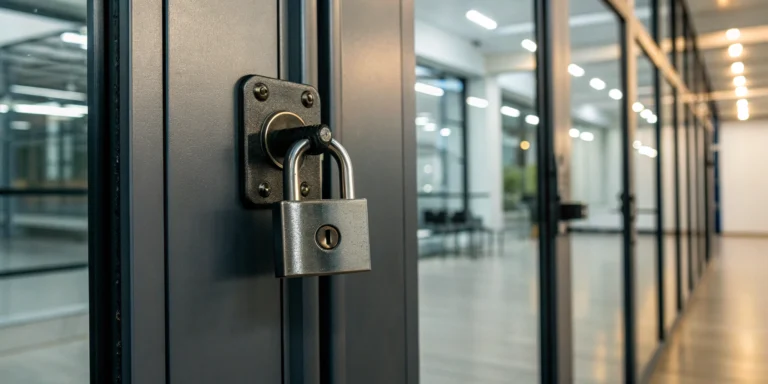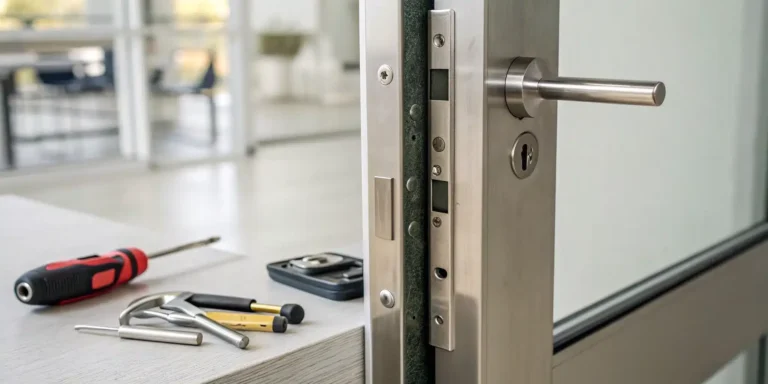
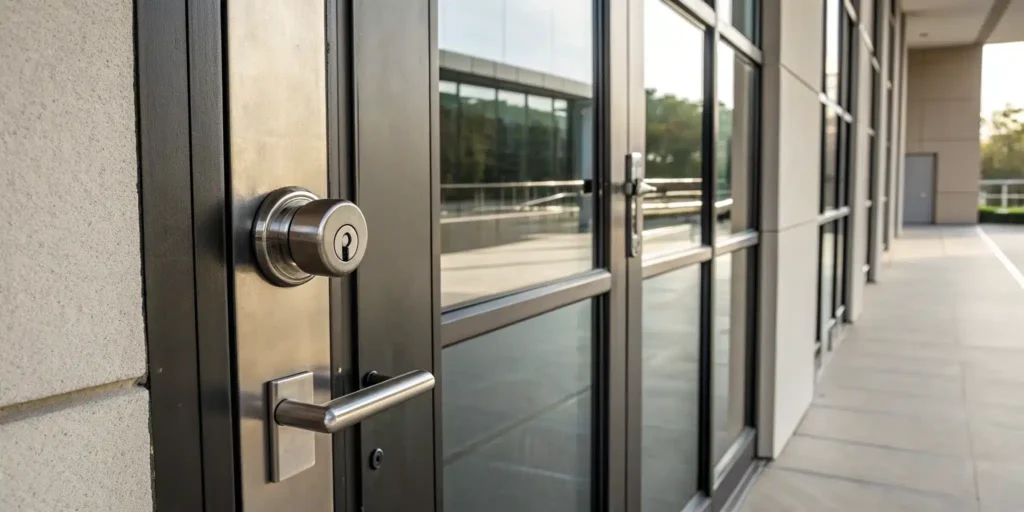
A lock is no longer just a simple mechanism to keep a door shut. For a modern business, the right security hardware can offer a whole new level of control and insight. Today’s advanced systems provide features like electronic access logs that track every entry, patented keys that can’t be duplicated without your authorization, and the ability to create master key systems for streamlined access. This isn’t just about preventing a break-in; it’s about giving you complete command over your facility’s security. We’ll explore the technology that sets superior hardware apart and show you how heavy duty commercial door locks with key can improve your operations.
Key Takeaways
- Prioritize Grade 1 for Key Entry Points: For any main entrance or high-security area, an ANSI/BHMA Grade 1 lock is the non-negotiable standard. It’s specifically engineered to withstand the heavy daily use and security risks of a commercial environment.
- Choose Technology That Solves Your Access Problems: Look for features that address your business’s unique challenges. Keyless entry systems simplify employee turnover, while high-security key control prevents unauthorized duplication, offering practical solutions for managing who comes and goes.
- Protect Your Investment with Professional Installation and Upkeep: A top-tier lock is only as reliable as its installation. Using a professional locksmith ensures it’s fitted correctly and meets safety codes, while simple, regular maintenance will keep it functioning smoothly for years.
What Makes a Commercial Door Lock “Heavy-Duty”?
When you hear “heavy-duty,” you might picture a massive, clunky piece of metal. While durability is part of the equation, a true heavy-duty commercial lock is defined by much more than its size. It’s about smart engineering, robust materials, and rigorous testing designed to withstand the unique demands of a business environment. Unlike the lock on your apartment door, commercial locks must endure constant traffic, potential tampering, and the need for higher security.
Think about the main entrance to a busy office building in Manhattan or a retail store in Brooklyn. The lock on that door is used hundreds, if not thousands, of times a day. It needs to function flawlessly every single time while also providing top-tier protection against break-ins. That’s where specific features and industry-standard security ratings come into play. Understanding these distinctions is the first step in choosing the right hardware to protect your business, your assets, and your team. A professional commercial locksmith can help you identify the features that matter most for your specific needs.
Key Features of a Heavy-Duty Lock
A heavy-duty lock is built from the inside out for strength and longevity. It starts with superior materials like solid brass or hardened steel, which resist drilling and physical force. The internal mechanisms are also engineered to handle high-traffic environments without wearing down. Beyond the basic build, these locks often include features like anti-pick pins, drill-resistant plates, and strong deadbolts that can withstand significant force. They are designed to work with commercial doors, which are typically heavier, larger, and more robust than their residential counterparts. Choosing the right lock means matching its capabilities to your daily foot traffic and security requirements.
What Are Security Grades 1, 2, and 3?
To standardize lock quality, the Builders Hardware Manufacturers Association (BHMA) uses a grading system established by the American National Standards Institute (ANSI). These ANSI/BHMA standards rate locks as Grade 1, 2, or 3 based on their durability and security.
- Grade 1: This is the highest rating available and signifies a heavy-duty commercial lock. It must withstand one million opening and closing cycles and resist significant force. This is the standard for high-traffic, high-security areas.
- Grade 2: This is a light-duty commercial or heavy-duty residential rating. These locks are tested for 400,000 cycles and offer reliable security for offices or less-used entrances.
- Grade 3: This is the minimum acceptable quality, typically used for residential doors or low-risk interior commercial doors.
Our Top Picks for Heavy-Duty Commercial Locks
Choosing the right lock for your business can feel like a huge decision, and it is. The lock on your door is the first line of defense for your property, inventory, and team. With so many options on the market, it’s easy to get lost in technical specs. That’s why we’ve put together this list of five top-tier, heavy-duty locks that we frequently recommend to our clients. Each one excels in different environments, from high-traffic retail stores to secure office buildings.
Think of this as your starting point. We’ll break down what makes each lock stand out and which type of business it’s best suited for. Whether you need advanced digital tracking or a straightforward, tough-as-nails deadbolt, there’s a solution here for you. And remember, the best lock is only as good as its installation. Working with a professional [commercial locksmith](https://www.nygkey.com/commercial-locksmith/) ensures your investment is fitted correctly and provides the maximum protection you expect from a heavy-duty product.
Medeco XT Intelligent Lock System
If you manage a facility with restricted areas, like a server room, research lab, or records office, the Medeco XT is a fantastic choice. This isn’t just a lock; it’s an electronic security system packed into a robust physical key. It operates without any wiring, which simplifies installation. The real standout feature is its digital tracking capability. Every key is programmed to work only during specific times or on certain doors, and you get a detailed audit trail of every access attempt. This gives you complete control and visibility over who is going where and when, making it ideal for businesses that need to enforce and monitor high-security protocols.
Schlage ND Series Heavy-Duty Cylindrical Lock
For places with constant foot traffic—think schools, hospitals, and busy offices—you need a lock that can handle relentless use without failing. The Schlage ND Series is a workhorse designed for exactly that. These Grade 1 cylindrical locks are incredibly durable and built to last. They also offer great flexibility. You can configure them for traditional key access or opt for keyless entry models, depending on your needs. This versatility makes them a reliable and practical choice for any business that needs a strong, dependable lock on a high-use door. It’s a straightforward solution that prioritizes strength and longevity above all else.
Mul-T-Lock Hercular Deadbolt
When your main priority is preventing a forced entry, the Mul-T-Lock Hercular Deadbolt is one of the best you can get. It’s an excellent fit for retail storefronts, storage units, and any business that needs serious protection against physical attacks. This deadbolt is specifically designed to resist common break-in methods like picking, drilling, and bumping. Beyond its brute strength, it features a key control system that prevents unauthorized key duplication. Only you can approve new copies, so you never have to worry about former employees or contractors having a key you don’t know about. It’s a powerful layer of security that brings serious peace of mind.
Best Access Systems SFIC Locks
If you manage a property with frequent turnover, like an apartment building, office complex, or school, rekeying locks can become a constant, time-consuming hassle. Best Access Systems SFIC (Small Format Interchangeable Core) locks solve this problem beautifully. Instead of replacing the entire lock, you can rekey it in seconds by simply swapping out a small core inside the lock cylinder. This makes it incredibly efficient and cost-effective to manage access when tenants move out or an employee leaves. It’s a highly adaptable system for dynamic environments where security needs to be updated quickly and easily.
Yale nexTouch Keypad Lock
For modern businesses like co-working spaces, gyms, and boutique offices, the Yale nexTouch offers the perfect blend of smart technology and tough security. This keypad lock allows you to grant access via unique codes, which you can easily change or delete as needed—no more collecting keys from former members or employees. It’s a durable, weather-resistant lock that stands up to heavy use. Plus, it can integrate with other smart security systems, allowing you to manage access remotely and create a more connected, streamlined security setup for your entire facility. It’s a versatile option for any business that values both convenience and control.
How Do Security Grades Affect Your Business’s Protection?
When you’re choosing a lock for your business, you’ll likely come across terms like “Grade 1” or “Grade 2.” These aren’t just marketing buzzwords; they’re official security ratings from the American National Standards Institute (ANSI) and the Builders Hardware Manufacturers Association (BHMA). These organizations put locks through rigorous tests to see how they hold up against force, impact, and repeated use. Essentially, these grades tell you how much wear and tear a lock can handle and how well it stands up to attempts to force it open. Think of it as a report card for locks, giving you a clear idea of its strength and durability before you buy.
Understanding these grades is key to making sure you get the right level of protection for your specific needs. A lock that’s perfect for a low-traffic storage closet is not going to be the right fit for your main entrance that sees hundreds of people a day. The grading system is broken down into three tiers: Grade 1 (the toughest), Grade 2 (a solid middle ground), and Grade 3 (the lightest duty). Choosing the right one means balancing your security needs, daily foot traffic, and budget. For any business, selecting the appropriate hardware is a foundational part of your overall commercial locksmith strategy, ensuring your property, assets, and team are properly protected.
Grade 1: For High-Traffic, High-Security Needs
Grade 1 locks are the best of the best. They represent the highest quality in security and durability, designed for heavy-duty commercial use. To earn this top spot, a lock has to endure some serious testing, including being able to withstand one million opening and closing cycles. That’s more than double the requirement for a Grade 2 lock. These locks are built to last in high-traffic areas and provide maximum security against forced entry. You’ll typically find them on the main entrances of hospitals, schools, and busy retail stores. If you need to protect high-value assets or secure a primary entry point, a Grade 1 lock is the clear choice and often works alongside comprehensive security systems.
Grade 2: The Standard for Most Businesses
Grade 2 locks are the workhorses of the commercial world. While not as robust as Grade 1, they offer a significant step up from standard residential hardware and are designed for light-duty commercial applications. A Grade 2 lock is tested to handle 400,000 cycles, making it perfectly suitable for places that don’t have constant, heavy foot traffic. Think of interior office doors, storage rooms, or secondary entrances. They provide a fantastic balance of performance, security, and cost, making them the standard for many businesses across New York. When you’re upgrading your property, a professional can ensure your new locks are installed correctly as part of a door repair and installation service.
Grade 3: For Low-Risk Interior Doors
Grade 3 locks are the least secure of the three tiers and are primarily designed for residential use. While they meet basic security standards, they aren’t built to withstand the demands of a commercial environment. You might find a use for a Grade 3 lock on an interior door with very low security needs, like a small supply closet or a private bathroom, but they should never be used on exterior doors or to protect valuable assets. For your home, they are often a perfectly acceptable choice, which is why they are a staple of residential locksmith services. For your business, however, sticking with Grade 1 or Grade 2 is the safest bet.
How to Choose the Right Commercial Door Lock
Picking the right lock for your business isn’t just about finding the strongest one on the shelf. It’s about matching the lock to your specific needs, from the type of door you have to the number of people coming and going each day. A lock that’s perfect for a quiet back office might not hold up on a busy storefront entrance. Thinking through a few key factors will help you find a solution that provides real security and stands the test of time. It’s about finding that sweet spot between security, durability, and compliance.
Assess Your Security Needs
First, think about what you’re protecting. A jewelry store has different security requirements than a small coffee shop. When selecting a lock, consider the level of security required for your specific environment. Heavy-duty options, such as mortise locks, are well-suited for high-traffic areas and provide enhanced security. Is your business in a high-crime area? Do you need to restrict access to certain rooms? Answering these questions will help you narrow down your choices. A professional commercial locksmith can perform a security assessment to identify vulnerabilities and recommend the best hardware for your situation.
Check Your Door’s Compatibility
Not every lock works with every door. It is essential to ensure that the lock you choose is compatible with your door type. Commercial doors are typically more durable and heavier than residential doors, often made of steel or solid wood, and they require heavy-duty commercial hardware designed to handle the extra weight and use. Before you buy, check your door’s material, thickness, and the pre-drilled holes for the lockset. If you’re upgrading your security, you might find that you also need to invest in door repair and installation to ensure your new lock fits perfectly and functions correctly.
Consider Your Daily Foot Traffic
How many people use your main entrance every day? A business with constant foot traffic needs a lock that can withstand frequent use without wearing out. You should evaluate the daily foot traffic in your space. For high-traffic areas, reinforced steel doors with heavy-duty locks are recommended to withstand the constant opening, closing, and potential bumps from customers and staff. A Grade 1 lock is built for this kind of environment, tested to handle hundreds of thousands of cycles. Choosing a lock that isn’t rated for your traffic levels can lead to premature failure, leaving your business vulnerable.
Meet Building and Fire Safety Codes
Security is crucial, but so is safety and compliance. Choosing the right commercial door lock is not just about preventing break-ins; it also involves ensuring you meet local building and fire safety codes, which can vary by location. For example, exit doors must allow for easy egress in an emergency, often requiring panic bars or push paddles. Regulations like the Americans with Disabilities Act (ADA) also have specific requirements for door hardware, such as lever-style handles instead of knobs. A knowledgeable locksmith will be up-to-date on NYC codes and can ensure your installation is fully compliant.
What Security Tech Matters Most?
A lock’s security grade is a great starting point, but the specific features and technology built into it are what truly define its performance in the real world. Think of it like buying a car—you know you want something safe, but features like airbags, anti-lock brakes, and blind-spot monitoring are what give you peace of mind on the road. The same goes for your business’s security. The right tech can make the difference between a minor inconvenience and a major security breach.
When you’re looking at different locks, it’s easy to get lost in the technical jargon. But focusing on a few key areas will help you find the perfect fit for your business. You’ll want to consider how your lock stands up to physical attacks, how easy it is for your team to use every day, and how well it will hold up to the demanding New York City environment. From advanced commercial locksmith solutions that track access to simple, durable hardware that just works, the technology you choose should align with your daily operations and security priorities. Let’s break down the features that really count.
Protection Against Picking, Drilling, and Bumping
These are the three classic ways a thief might try to bypass a lock without brute force. Lock picking involves manipulating the internal pins, drilling aims to destroy the cylinder, and bumping uses a specially cut key to jolt the pins into alignment. A standard lock might not stand a chance, but heavy-duty commercial locks are built differently. They often feature hardened steel pins, anti-drill plates, and complex cylinder mechanisms that make these techniques incredibly difficult, if not impossible, for anyone but a master locksmith. Investing in a lock with these protections is a fundamental step in securing your property against common threats.
Keyless Entry and Push-Button Options
Tired of managing dozens of physical keys? Keyless entry systems are a game-changer for modern businesses. Options like keypad locks, card readers, and even smartphone-controlled locks eliminate the risk of lost or stolen keys and make managing access a breeze. You can assign unique codes to each employee and easily revoke access when someone leaves—no need to rekey the entire building. These security systems also offer a clear audit trail, so you can see who entered and when. It’s a convenient and highly effective way to control who comes and goes.
Built-in Deadbolts
A deadbolt is a must-have for any exterior door. Unlike a spring-bolt latch, which can be pushed back, a deadbolt is a solid bar of metal that can only be moved by turning the key or thumbturn. This provides a much stronger barrier against forced entry. Many heavy-duty commercial locks, especially mortise locks, come with a built-in deadbolt as part of the core mechanism. This integrated design creates a more formidable and cohesive locking system, reinforcing the door at its most critical point and giving you an essential layer of physical security.
Weather and Corrosion Resistance
New York City’s weather is no joke. From humid, salty summer air to freezing winter storms, your exterior locks take a beating. A lock that isn’t designed for these conditions can quickly rust, corrode, and fail, leaving your business vulnerable. Look for locks made from durable materials like stainless steel or brass with finishes specifically designed to resist corrosion. This ensures your lock operates smoothly and securely year-round, preventing you from getting locked out in a blizzard or finding your lock seized up from rust. Proper door repair and installation also ensures a tight seal against the elements.
Key Control and Master Key Systems
For businesses with multiple access points and employees, managing keys can be a logistical nightmare. That’s where key control and master key systems come in. Key control refers to patented keys that can’t be duplicated without your authorization, preventing former employees or anyone else from making unauthorized copies. A master key system allows you to create a hierarchy of access—for example, an employee’s key might only open their office, while a manager’s key opens all offices in their department, and your master key opens everything. This streamlines access without compromising security.
How Much Do Heavy-Duty Commercial Locks Cost?
When you’re running a business, every dollar counts. So, it’s natural to wonder about the cost of upgrading your security with heavy-duty commercial locks. The price can vary quite a bit, depending on the lock’s security grade, brand, and any special features. Think of it less as a simple purchase and more as an investment in your business’s safety. To help you budget, let’s break down what you can expect to pay and why a higher upfront cost can actually save you money down the road.
A Look at Pricing by Grade and Brand
Commercial locks are categorized by security grades, which is the biggest factor affecting price. Grade 1 locks offer the highest level of security and are built for heavy use, making them ideal for high-traffic entryways. Expect these heavy-duty options to cost more than lighter-grade hardware, with top-tier models from trusted brands like Medeco or Schlage commanding the highest prices. While Grade 2 and 3 locks are more affordable, they offer less protection and are better suited for interior doors. The brand name also plays a role, as established companies often invest more in durable materials and anti-tampering technology.
Balancing Upfront Cost with Long-Term Value
It can be tempting to go for the cheapest lock, but it’s important to think about long-term value. A less expensive lock might save you money today, but it could cost you more later in maintenance, repairs, or even a security breach. Investing in a higher-quality, durable lock is a smart move. It provides better protection for your property and reduces the need for frequent replacements. A reliable lock gives you lasting security and peace of mind, which is an invaluable return on investment. Our commercial locksmith team can help you find a lock that fits your budget and security needs.
Where to Find Professional Installation
Even the most advanced lock is only as good as its installation. A poorly installed lock can be easily bypassed and won’t provide the security you paid for. That’s why professional installation is so important. A skilled locksmith ensures your heavy-duty lock is fitted perfectly, functions correctly, and meets all security standards. While some hardware stores offer this service, choosing a provider with deep experience in commercial security systems is your best bet. They understand the specific challenges of securing a business and can make sure your investment is working hard to protect you.
Should You Install Commercial Locks Yourself?
When you’re running a business, it’s natural to look for ways to cut costs. The thought of installing your own commercial locks might seem like a smart way to save a few dollars. But while a DIY approach works for painting a wall or assembling a desk, your business’s security is one area where cutting corners can cost you far more in the long run. Commercial lock installation is more complex than swapping out the lock on your front door at home. It requires specific tools, an understanding of different lock mechanisms, and knowledge of compliance codes. Before you head to the hardware store, let’s walk through why calling a professional is almost always the better move.
Why a Professional Locksmith Is Your Best Bet
The single most important reason to use a professional locksmith is for better safety. An improperly installed lock can give you a false sense of security while leaving your business vulnerable to break-ins. A professional commercial locksmith brings years of training and hands-on experience to the job. We can spot potential issues with your door or frame that could compromise even the best lock. We understand how to fit a lock perfectly, ensuring all its security features function exactly as they’re designed to. This expertise is what stands between your assets and a potential threat, making professional installation a critical investment in your peace of mind.
What Does Installation Involve?
Professional lock installation is much more than just drilling a few holes. The process starts with a full assessment of your security needs. A locksmith will help you choose the right lock based on your type of business, the value of your assets, and your daily foot traffic. We also ensure the hardware we install meets local building and fire safety codes, which is a crucial step many business owners overlook. Proper door repair and installation techniques are essential, as a misaligned lock can fail or wear out quickly. We handle everything from prepping the door to testing the final installation to make sure it’s secure and operates smoothly.
The Perks of Hiring a Pro
Beyond getting the job done right, hiring a professional saves you time and protects you from costly mistakes. A DIY installation gone wrong could mean damaging a new lock, your door, or the doorframe—all of which are expensive to fix. Professionals arrive with specialized tools and access to high-quality, durable products that often aren’t available in big-box stores. This ensures you’re getting a superior level of security. Ultimately, you’re not just paying for a lock to be installed; you’re investing in the assurance that your business, your employees, and your inventory are properly protected from day one.
How to Make Your Commercial Locks Last
Investing in a heavy-duty commercial lock is a great first step, but it’s not the last one. Just like any other piece of essential equipment, your locks need regular attention to function properly for years to come. Think about how many times a day your business’s doors are opened and closed—that’s a lot of wear and tear. A little proactive care goes a long way in preventing frustrating lockouts, costly emergency repairs, and serious security vulnerabilities.
Putting a simple maintenance plan in place helps you catch small issues before they become big problems. It ensures your locks operate smoothly, protects your investment, and gives you peace of mind knowing your property is secure. You don’t have to be a locksmith to handle basic upkeep, but knowing what to look for and when to call a professional is key. These simple habits will extend the life of your locks and keep your business safe.
A Simple Maintenance Schedule
Regular maintenance is the best way to ensure your commercial locks last. You can do most of this yourself with a quick monthly check-in. First, inspect the lock and the area around it. Are there loose screws on the lock, strike plate, or hinges? Tighten them up. Check for any signs of damage or tampering.
Next, test the mechanism. Does the key turn smoothly, or does it stick? Does the latch catch properly without needing to jiggle the door? At least twice a year, it’s a good idea to lubricate the lock’s moving parts. This simple step prevents internal components from grinding down and failing. If you’re unsure about any part of this process, our commercial locksmith team can perform a professional inspection and tune-up.
Signs It’s Time for a New Lock
Even with great care, every lock eventually reaches the end of its life. Knowing the warning signs can save you from being locked out or dealing with a security breach. If you notice the key is becoming increasingly difficult to turn, or if you have to jiggle it just right to get it to work, the internal pins are likely worn out.
Visible rust or corrosion is another major red flag, as it weakens the lock’s integrity. Of course, if your lock has been compromised during a break-in or you’ve lost a key that you can’t account for, it’s crucial to replace it immediately. Don’t wait for a complete failure; being proactive is the best way to maintain security. If you’re facing a sudden lock issue, our emergency locksmith services are available 24/7.
Quick Tips for Lock Care
Beyond a formal schedule, a few simple habits can significantly extend the life of your locks. First, keep them clean. Dirt, dust, and other debris can get into the keyway and jam the internal mechanism. Periodically wipe down the lock and use compressed air to gently blow out the keyhole.
When it’s time to lubricate, use a product designed for locks, like a graphite or silicone-based spray. Avoid oil-based lubricants like WD-40, which can attract more grime and gum up the works over time. A quick spray into the keyhole and on the latch bolt is all you need. These small steps are an essential part of overall door repair and installation maintenance and will keep things running smoothly.
Related Articles
- How To Choose Heavy-Duty Commercial Door Locks
- How To Choose A Commercial Door Handle With Lock
- Yale Commercial Door Handle Removal: Tools and Safe Steps
- The Top Laminated Glass Door Benefits To Know
- The Ultimate Lenlok Garage Door Lock Guide
Frequently Asked Questions
What’s the real difference between a commercial lock and a residential one? The main difference comes down to durability and security features. A residential lock is designed for a family’s use, which means it’s used a handful of times a day. A commercial lock, on the other hand, is built to withstand constant use from employees and customers, sometimes hundreds of times a day. It’s made from stronger materials like hardened steel and has internal parts engineered to last much longer. Commercial locks also typically include advanced security features to protect against tampering, which are less common in standard home locks.
Do I really need a Grade 1 lock for my business? Not necessarily for every door, but it’s the best choice for your primary entrances and any high-security areas. A Grade 1 lock is tested to handle extreme traffic and resist significant force, making it ideal for the doors that see the most action and protect your most valuable assets. For interior doors with less traffic, like a private office or a supply closet, a Grade 2 lock often provides more than enough security and durability. It’s all about matching the lock’s strength to the door’s specific function.
What’s the biggest mistake business owners make with their locks? One of the most common mistakes is waiting until a lock completely fails before replacing it. Many people ignore warning signs like a key that sticks, a latch that doesn’t catch properly, or visible rust. These are all indicators that the lock’s internal mechanisms are wearing out, making it less secure and more likely to cause a lockout. Being proactive with maintenance and replacing a failing lock before it breaks can save you from an emergency call and a potential security risk.
Are keyless entry systems actually more secure than traditional locks? They can be, especially when it comes to controlling access. With a traditional key, you lose all control once it’s out of your hands—it can be lost, stolen, or copied without your knowledge. A keyless system lets you assign unique codes or credentials to each person and instantly revoke access when an employee leaves. This eliminates the need for costly rekeying and gives you a digital record of who entered and when. While a high-quality traditional lock provides excellent physical protection, a keyless system adds a powerful layer of administrative control.
How often should I have my business’s locks inspected by a professional? For a busy commercial property, having a professional locksmith inspect your locks once a year is a smart practice. While you can handle monthly visual checks and basic lubrication yourself, an expert can spot subtle signs of wear and tear that you might miss. A professional can also ensure your locks are still aligned correctly, functioning smoothly, and meeting all local safety codes, which is crucial for both security and compliance.
Need professional help in NYC? Contact Golden Key Locksmith NYC for Key Card Entry Systems or Access Control Systems. Available 24/7 across Manhattan and all NYC boroughs.