

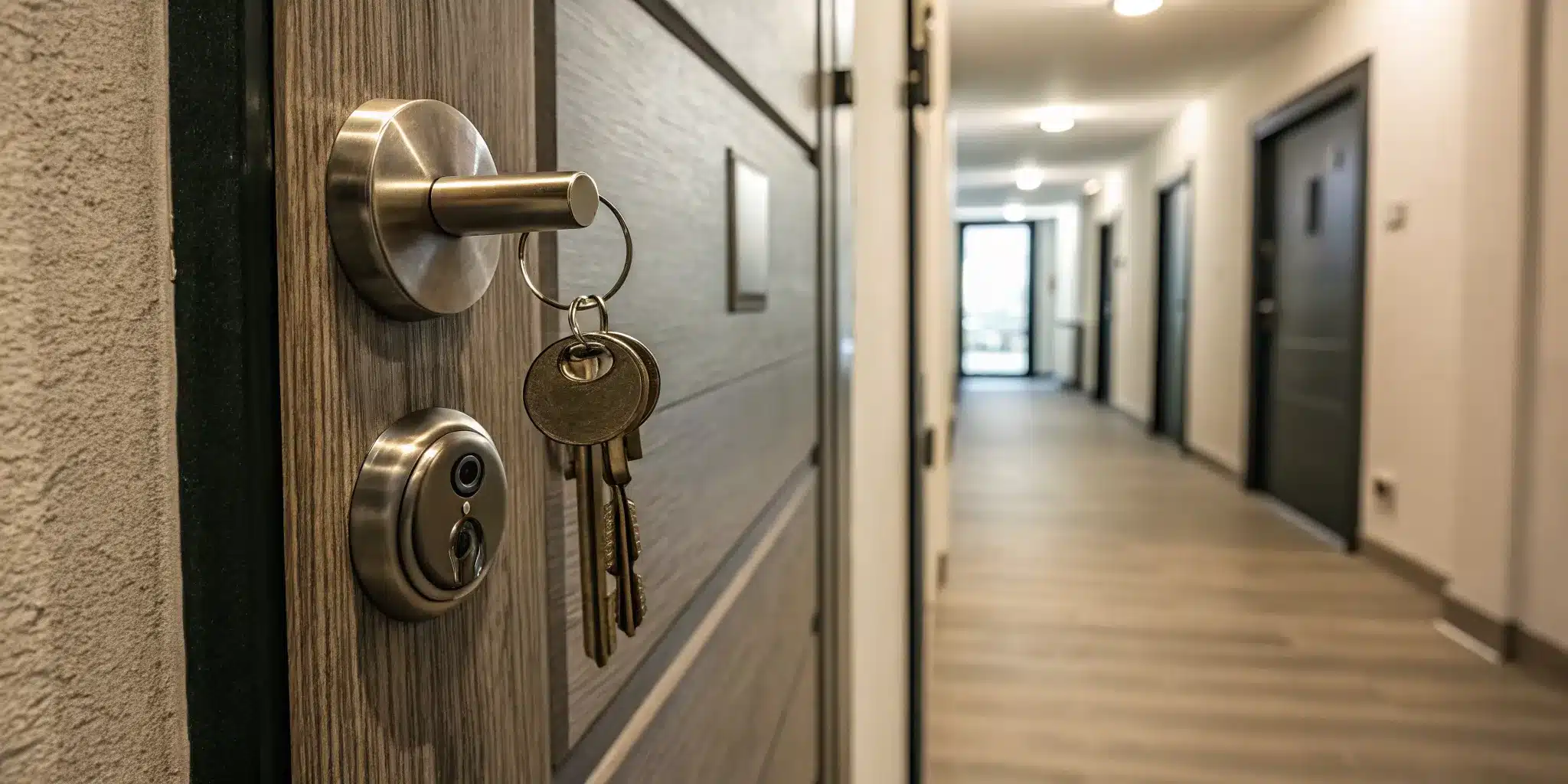
When most people think about door security, their mind goes straight to the lock. While a high-quality lock is essential, it’s only one part of a much larger system. A determined intruder won’t just fiddle with the lock; they’ll attack the weakest point, which is often the door frame or the door itself. A top-of-the-line deadbolt is useless if a single kick can splinter the wood around it. True security means looking at the entire entryway as a whole. This guide will show you how to secure a flat door by strengthening every component, from the strike plate and hinges to the door’s core material. You’ll learn to spot hidden weaknesses and make smart upgrades that create a truly formidable barrier.
Key Takeaways
- Reinforce the Entire Entryway: A strong lock is only as good as the door and frame around it. The most critical upgrade you can make is replacing the flimsy strike plate with a heavy-duty one secured by 3-inch screws, anchoring it to the wall stud for maximum resistance against force.
- Choose the Right Lock and Get It Installed Properly: Your standard-issue apartment lock is likely a basic model. Upgrading to a high-security deadbolt is a foundational step, but its effectiveness hinges on correct installation—a task best left to a professional to ensure it provides real protection.
- Layer Your Defenses with Smart Technology: Physical barriers are your first line of defense, but smart devices create a powerful deterrent. Tools like video doorbells, entry sensors, and motion-activated lights make your apartment a less appealing target and give you real-time awareness of who is at your door.
Is Your Apartment Door as Secure as You Think?
That front door is more than just an entryway; it’s your first line of defense in a city that never sleeps. Living in a bustling NYC building can give you a false sense of security—after all, with neighbors all around, it feels safe, right? But the reality is that many apartment doors have vulnerabilities that are easy to overlook. Before you can make meaningful improvements, you first have to understand where you’re starting from. It’s not just about the lock; it’s about the door itself, the frame it sits in, and even the building’s entry policies. Taking a clear-eyed look at your door’s current state is the most important first step toward creating a safer home.
Think of it like a quick security audit. Does your door feel flimsy or hollow? Can you see light coming through the cracks around the frame? Is the lock a simple knob that could be forced open with minimal effort? These are the questions that can reveal hidden weaknesses. Many burglaries are crimes of opportunity, where an intruder looks for the easiest target. A weak-looking door with a basic lock can unfortunately make your apartment that target. By identifying these issues, you can move from feeling vaguely uneasy to having a concrete plan of action. Let’s walk through how to spot those weak points and understand why your standard setup might not be cutting it.
Pinpointing Your Door’s Weak Spots
Living in an apartment building can feel safe, but it’s easy to overlook common weak spots. Think about how often you buzz someone in without double-checking who they are—gaining access to the main building can be the easiest step for an intruder. Ground-floor and basement apartments are especially at risk due to accessible windows, but the most frequent mistake is the simplest: leaving a door or window unlocked. Beyond that, take a close look at your front door. It’s often your responsibility to ensure it’s secure, so if you’ve just moved in, getting a professional residential locksmith to change the locks should be your first priority.
Why Your Standard Lock Might Not Be Enough
The lock that came with your apartment is likely a basic, builder-grade model designed for cost-effectiveness, not maximum security. While a standard knob lock will keep the door shut, it may not stand up to a determined intruder. This is where a deadbolt becomes essential. A quality deadbolt lock extends deeper into the doorframe, providing a much stronger physical barrier and better overall door security. For even greater peace of mind, you might consider smart locks, which can offer features like remote access and activity logs. The key takeaway is that not all locks are created equal, and your standard-issue hardware might be leaving you more vulnerable than you realize.
Choosing the Right Lock for Your Apartment
The lock on your front door is your first line of defense, so picking the right one is a big deal, especially in a city like New York. It’s easy to feel overwhelmed by all the options out there, from classic deadbolts to high-tech smart locks. Before you even start shopping, it’s important to consider your specific situation. Are you renting, or do you own your apartment? Many landlords and co-op boards have specific rules about what kind of hardware you can install, so always check your lease or building bylaws first. The best choice for your apartment depends on these rules, your budget, and the level of convenience you’re looking for.
At its core, the decision comes down to two main categories: mechanical locks and electronic locks. Mechanical locks, like the trusty deadbolt, are known for their straightforward reliability and strength. They don’t rely on batteries or Wi-Fi, making them a simple and effective security solution. On the other hand, electronic or smart locks offer a world of convenience, allowing you to ditch your keys, grant access remotely, and keep a log of who enters your home. While they bring incredible features, they also require power and a stable internet connection to work at their best. Understanding this fundamental difference is the first step in finding the perfect lock that not only secures your home but also fits seamlessly into your lifestyle. Let’s break down the most common and effective lock types to help you find that perfect fit.
Deadbolts: The Foundation of Door Security
When you think of a secure lock, you’re probably picturing a deadbolt. Unlike the spring-loaded latch in your doorknob, a deadbolt is a solid metal bolt that you extend into the doorframe with a key or a thumb turn. This simple mechanism makes it much harder for someone to force your door open. For the best protection, look for a deadbolt with a high ANSI (American National Standards Institute) grade, which tells you how well it stands up to attack. A Grade 1 deadbolt offers the highest level of security and is a smart investment for any apartment door. A professional residential locksmith can help you choose and install a high-quality deadbolt that fits your door perfectly, ensuring it provides maximum protection.
Smart Locks: Convenience Meets Security
Smart locks bring your apartment security into the 21st century. They offer keyless entry using a keypad, your smartphone, or even your fingerprint, so you never have to worry about losing your keys again. Many smart locks also let you grant temporary access to guests, track who comes and goes, and lock your door remotely from anywhere. While they introduce the risk of being hacked, a well-installed, high-quality smart lock with strong encryption is a powerful tool in a modern home security system. For most burglars, a physical break-in is still the preferred method, and both traditional and smart locks are strong deterrents when installed correctly.
What to Look For in a High-Security Lock
Whether you go with a traditional deadbolt or a smart lock, there are a few key features to look for. A great lock is made from durable materials like solid brass or steel and has features that protect against picking, drilling, and bumping. For smart locks, check for reliable connectivity (like Wi-Fi or Bluetooth) and a user-friendly app that receives regular security updates. The most secure setup often involves a combination of a high-quality deadbolt and a separate locking doorknob. Ultimately, the best lock is one that’s installed correctly. A poorly installed lock is a weak lock, so professional installation is key to making sure your investment truly protects your home.
How to Reinforce Your Door (Beyond Just the Lock)
A high-security lock is a fantastic start, but it’s only one piece of the puzzle. The truth is, a determined intruder will often attack the door or its frame, which are typically the weakest points. A swift kick can splinter a weak door frame, rendering even the best lock useless. Taking a few extra steps to reinforce the entire entryway creates a much more formidable barrier. These upgrades fortify your door’s structural integrity, making it significantly more resistant to forced entry and giving you greater peace of mind.
Strengthen Your Door Frame and Strike Plate
Think of your door frame as the foundation of your security. If it’s weak, everything else is compromised. The strike plate—that small metal piece on the frame where the lock’s bolt enters—is a critical component. Most standard doors come with a flimsy plate held by short screws that only grip the thin wood of the door jamb. To make a real difference, replace it with a heavy-duty strike plate secured with 3-inch screws. These longer screws will anchor the plate deep into the wall stud behind the frame, dramatically increasing its resistance to being kicked in. This is a small change that offers a major security improvement, and it’s a key part of any professional door repair and installation.
Add Security Bars and Reinforcement Plates
For another powerful layer of defense, consider physical reinforcement you can add to the door itself. A security bar is an adjustable brace that wedges under the doorknob and angles down to the floor. It uses simple physics to make the door incredibly difficult to force open from the outside. Another great option is a door reinforcement plate or barricade. These systems involve installing heavy-duty brackets to the door frame, allowing you to slide a thick metal or wood bar across the door. Both options are excellent deterrents against brute-force attacks and can often be installed without making permanent alterations, making them a smart choice for renters.
Consider Upgrading to a Solid Core Door
If you want to make the most significant security upgrade, look at the door itself. Many apartment doors, especially interior ones, have a hollow core, meaning they are mostly empty inside and can be broken through with relative ease. A solid core door, made from solid wood or a composite material, is substantially heavier, denser, and far more resistant to force. For optimal security, your exterior door should be at least 44mm (about 1.75 inches) thick. While this is a bigger investment, upgrading to a solid core door is one of the most effective ways to secure your home. A professional can help you select and install the right residential locksmith solutions for your entryway.
Smart Security Upgrades for Renters
Renting in NYC gives you a lot of flexibility, but it can also limit how much you can alter your apartment—especially when it comes to security. Most lease agreements have strict rules against changing locks or drilling into door frames. But that doesn’t mean you have to settle for the standard-issue lock your landlord provided. There are plenty of clever, non-permanent ways to add an extra layer of security to your apartment door without risking your security deposit.
These renter-friendly solutions are designed to be installed and removed without leaving a trace. They’re perfect for adding peace of mind when you’re home, especially at night, or even for taking with you when you travel. From simple wedges to high-tech braces, these tools work by physically blocking the door from opening, making it much harder for someone to force their way in. While they aren’t a replacement for a high-quality deadbolt, they are an excellent secondary line of defense. If you ever decide to pursue a more permanent upgrade, it’s always a good idea to discuss options with your landlord and a professional residential locksmith to ensure everything is up to code and properly installed.
Use Portable Locks and Security Wedges
One of the easiest ways to secure your door is with a portable lock. These small but mighty devices attach to your door’s existing latch system from the inside, preventing it from being opened even with a key. They require no tools to install and can be removed in seconds, making them a fantastic option for both your apartment and for when you’re staying in a hotel or Airbnb.
Another simple yet effective tool is a security wedge or doorstop. You can slide a basic wedge firmly under your door, but for an upgrade, look for one with a built-in alarm. If anyone tries to push the door open, the pressure will set off a loud alarm, alerting you and likely scaring off the intruder.
Try Removable Reinforcement Devices
For a step up in strength, consider a removable reinforcement device. Products like the DoorJammer use leverage to keep your door securely shut. This type of device slides under the door and uses an adjustable foot to create immense pressure against the floor when force is applied from the outside. It essentially braces the door against the ground, making it nearly impossible to open.
These devices are incredibly effective for inward-swinging doors and only need a tiny gap at the bottom to work. They are compact, easy to set up, and provide a serious amount of resistance against forced entry without any drilling or permanent modifications to your apartment’s door or frame.
Pack a Door Jammer for Peace of Mind
A door jammer, also known as a security bar, is another excellent tool for renters. This adjustable bar typically has a padded, U-shaped top that fits under the doorknob and a rubberized foot that grips the floor. By wedging itself between the knob and the floor, it creates a strong brace that stops an inward-opening door from being pushed open.
This method is a much more reliable alternative to the old trick of propping a chair under the doorknob. Many security bars are also versatile enough to be used on sliding glass doors, giving you an extra layer of protection for your patio or balcony. It’s a simple, affordable, and effective way to feel more secure in your space.
Taking Your Security to the Next Level
Once you have a high-quality lock and a reinforced door, you’ve built a strong physical barrier. But why stop there? Adding a few smart devices can create layers of protection that give you more control and awareness over your home’s safety. Think of it as giving your apartment its own set of eyes and ears. These tools work around the clock to monitor your entryway, alert you to unusual activity, and deter potential intruders before they even try to get in. They work in tandem with your physical security, creating a formidable defense that makes your home a much harder target.
Modern security systems are more accessible and user-friendly than ever. You don’t need a complicated, hardwired setup to make a significant difference. Many of the best tools are renter-friendly, easy to install, and can be managed right from your smartphone. By combining a solid door with smart technology, you create a comprehensive security plan that provides peace of mind, whether you’re at home on the couch or away on vacation. It’s about being proactive, not reactive, and using technology to stay one step ahead of any potential threats. This next level of security is about adding intelligence to your home’s defenses.
See Who’s at Your Door with Cameras
A smart camera or video doorbell is one of the most powerful additions to your apartment’s security. These devices let you see and speak with anyone at your door, no matter where you are. When someone approaches or rings the bell, you get an instant alert on your phone, complete with a live video feed. This means you can verify a delivery person, greet a friend, or screen an unexpected visitor without ever opening the door. Many models also include night vision, ensuring you have a clear view at all hours. It’s a simple way to add a virtual gatekeeper to your home.
Get Instant Alerts with Sensors and Alarms
Sensors and alarms act as your digital tripwire, providing an immediate warning if someone tries to force their way in. You can choose a system that fits your needs and budget. Some alarms simply emit a loud noise to scare off an intruder and alert your neighbors. Others are smarter, sending a notification directly to your phone the moment a door or window is opened. For the highest level of protection, you can opt for professionally monitored security systems where a dedicated company is ready to contact the authorities on your behalf. These devices are your first line of defense against a break-in.
Brighten Up Your Entryway with Motion-Activated Lights
Never underestimate the power of good lighting. Intruders thrive in darkness because it provides cover, so a well-lit entryway is a simple but effective deterrent. Motion-activated lights are a perfect solution, especially for apartment hallways or front doors. They stay off to save energy but instantly flood the area with light when they detect movement. This not only startles a potential burglar but also ensures that any security cameras you have can capture a clear image. It’s a small change that makes your apartment a much less appealing target for anyone looking for an easy opportunity.
Common Security Mistakes to Avoid
It’s easy to think a good lock is all you need to keep your apartment safe, but true security is about seeing the bigger picture. Sometimes, the most common mistakes are the easiest to overlook. Focusing too much on one aspect of security while neglecting others can leave you unexpectedly vulnerable. Let’s walk through a few common missteps and how you can easily correct them to make your home a much tougher target for intruders.
Forgetting to Reinforce the Door Frame
You can have the most advanced lock on the market, but it won’t do much good if your door frame is weak. A determined intruder can often bypass a lock by simply kicking in the door, splintering the wooden frame around it. The strike plate—that small metal piece on the frame where the lock’s bolt enters—is often installed with short screws that only grip the thin door jamb. A simple and effective upgrade is to replace it with a heavy-duty strike plate secured by three-inch screws that anchor directly into the wall stud. This small change makes your door significantly more resistant to forced entry. If you notice splitting or damage, consider a professional door repair to ensure your entryway is solid.
Choosing the Wrong Lock (or a Bad Installation)
Not all locks are created equal, and the right choice depends on your specific door and security needs. A standard deadbolt is a great foundation for a wooden door, but a metal door might benefit more from a different type of hardware. It’s also crucial that the lock is installed correctly. A poorly fitted lock can be easily manipulated or fail under pressure. When you’re ready to upgrade, getting expert advice ensures you select a high-quality lock that fits your door perfectly and is installed to provide maximum protection. This is one area where professional installation makes a world of difference, giving you confidence that your lock will perform as expected when you need it most.
Ignoring Other Ways In (Like Windows)
Your front door is the main entrance, but it’s not the only one. Burglars often look for the path of least resistance, and an unlocked or unsecured window is a welcome invitation. This is especially true for ground-floor apartments or units with fire escapes. Take a moment to check every window in your apartment. Simple locks or pins can prevent them from being opened from the outside. For added protection, you can apply a security film that makes the glass shatter-resistant. Thinking beyond just your front door is key to creating a truly secure home. Integrating these smaller measures into your plan can be just as important as installing comprehensive security systems.
How to Keep Your Apartment Safe While You’re Away
Heading out of town should be relaxing, but it’s hard to unwind if you’re worried about your apartment back in the city. A little preparation can go a long way in giving you peace of mind. Taking a few simple, proactive steps before you leave ensures your home remains secure, letting you focus on enjoying your trip instead of stressing about what’s happening back in your neighborhood. These aren’t complicated measures—just smart habits that make a big difference.
Develop a Pre-Vacation Security Checklist
The easiest way to forget something important is to not write it down. Before you leave, create a simple security checklist to run through. This should include double-checking that all windows and doors are securely locked, unplugging non-essential electronics, and pausing your mail and package deliveries. A quick inspection of your locks is also a great idea; if a lock feels loose or flimsy, it might be time for a residential locksmith to take a look. Once your list is complete, put a reminder note on the back of your front door. This final check ensures you won’t have that sinking “did I lock the window?” feeling at the airport.
Make Your Home Look Lived-In
An empty apartment can be an invitation for trouble. The goal is to make it look like someone is still home. Use automatic timers for a few lamps and maybe a radio to create the impression of activity in the evenings. One of the biggest giveaways is a pile of mail or packages at your door, so arrange for a friend to collect them. And as tempting as it is to share your vacation photos in real-time, hold off on posting them on social media until you’re back. Announcing that you’re away, especially on a public profile, is like putting out a welcome mat for burglars.
Ask Your Neighbors and Building Manager for Help
Your neighbors and building staff can be your best security asset. If you have a good relationship with a neighbor, let them know you’ll be away and ask them to keep an eye out for any unusual activity. They can listen for strange noises and watch for unfamiliar people near your apartment. Giving a trusted friend or neighbor a spare key is also smart for emergencies or for watering plants and grabbing mail. Don’t forget to inform your building manager or doorman about your travel dates. They are often the first to notice if something is amiss and can be a great help if you need an emergency locksmith while you’re gone.
What to Budget for Apartment Security
Feeling secure in your own home is priceless, but that doesn’t mean it has to cost a fortune. You can significantly improve your apartment’s safety with a few strategic upgrades, whether you have a small budget for DIY fixes or are ready to invest in professional-grade solutions. The key is to find the right balance between cost and protection for your specific needs. Let’s break down what you can expect at different price points.
Key Upgrades You Can Make for Under $100
You don’t need a huge budget to make a real difference in your door’s security. For less than a hundred dollars, you can tackle some of the most common vulnerabilities. Start by adding a strong deadbolt and a classic chain lock for an extra layer of defense. If you’re a renter, a portable door lock is a fantastic, non-permanent option. These small but mighty devices, like an Addalock, slide into the door’s latch to prevent it from being opened from the outside. They’re perfect for adding peace of mind at home or when you’re traveling.
Mid-Range Options for Better Protection
If you have a bit more to spend, you can get some seriously strong hardware. Consider a heavy-duty door lock or brace that screws into the door frame. Some models can withstand up to 800 pounds of force, which is more than ten times stronger than a standard deadbolt. Another great option is a security bar. This is an adjustable bar that wedges under the doorknob and plants firmly on the floor, making it incredibly difficult for anyone to force the door open. These mid-range solutions offer a substantial increase in protection without requiring a complete overhaul of your door.
When It’s Time to Call a Professional Locksmith
While DIY upgrades are a great start, nothing beats the assurance of a professional installation. If you’re unsure what you need or want to install a more complex system like a mortise or smart lock, it’s time to call in an expert. A professional locksmith can perform a full security assessment of your apartment, identify weak points you might have missed, and recommend the best residential locksmith solutions for your door and frame. They ensure that every component, from the lock to the strike plate, is installed correctly for maximum effectiveness, giving you true security and peace of mind.
Related Articles
- Front Door Security For Apartments: Best Locks & Materials
- Apartment Security: 5 Safety Tips
- How to Choose the Right Apartment Door for Rental Properties
- Rental Apartment Doors: Choosing The Right Door For You
- How To Fix A Door That Has To Be Pushed To Close
- Door Latch Broken Can’t Open Door: 5 Ways To Get In
Frequently Asked Questions
I’m renting. What’s the best security upgrade I can make without losing my security deposit? Focus on non-permanent solutions that you can install and remove without leaving a trace. A portable lock that slides into the door’s latch or a security bar that braces against the floor are excellent choices because they require no drilling. You can also ask your landlord for permission to make small but impactful changes, like replacing the short screws in your door frame’s strike plate with longer, 3-inch screws for better kick-in resistance.
Are smart locks actually safer than a traditional deadbolt? It’s less about one being inherently safer and more about what kind of security you need. A high-quality, Grade 1 deadbolt provides incredible physical strength against forced entry. A smart lock offers modern conveniences like keyless entry and activity logs, but it also introduces a digital element. The best approach often involves using both: a strong, traditional deadbolt as your primary physical barrier, supplemented by the smart features of a secondary lock or a home security system.
If I can only make one change, what gives me the most security for my money? Reinforcing your door frame is the single most effective upgrade you can make. Most intruders rely on brute force, and a weak frame is often the first thing to give way. Swapping out the standard, flimsy strike plate for a heavy-duty one secured with 3-inch screws anchors your lock directly into the sturdy wall stud behind the frame. This simple fix dramatically increases your door’s ability to withstand a kick-in.
How can I tell if my door is the weak link, not just the lock? Give your door a quick check. If it feels light, rattles in the frame, or sounds hollow when you knock on it, you likely have a hollow-core door. These are much easier to break through than solid-core doors made of wood or composite materials. Also, look for cracks around the frame or visible light coming through the edges, as these are signs of a poor fit that can compromise your security.
When should I try a DIY fix versus calling a professional locksmith? Simple upgrades like adding a portable lock or a security bar are great DIY projects. However, when it comes to installing new hardware like a deadbolt, a smart lock, or reinforcing the door frame, professional installation is key. A locksmith ensures the lock is fitted perfectly and functions correctly, which is critical for it to provide real protection. If you’re ever unsure about the right product or how to install it, calling an expert is the safest bet.
Need professional help in NYC? Contact Golden Key Locksmith NYC for Commercial Door Services or Metal Door Installation. Available 24/7 across Manhattan and all NYC boroughs.