Fraud Blocker

Fixing a broken internal door lock mechanism

Door Repair
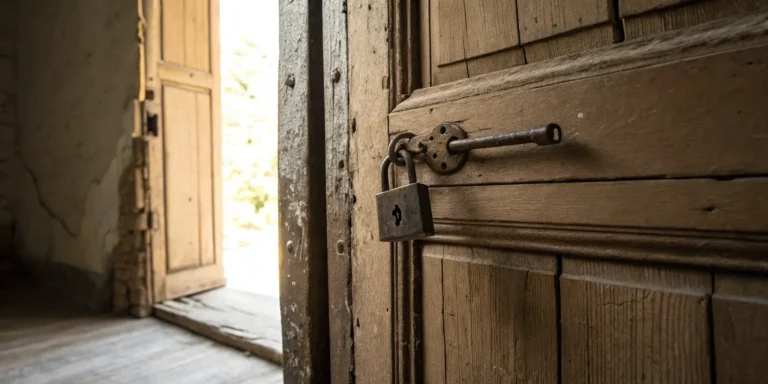
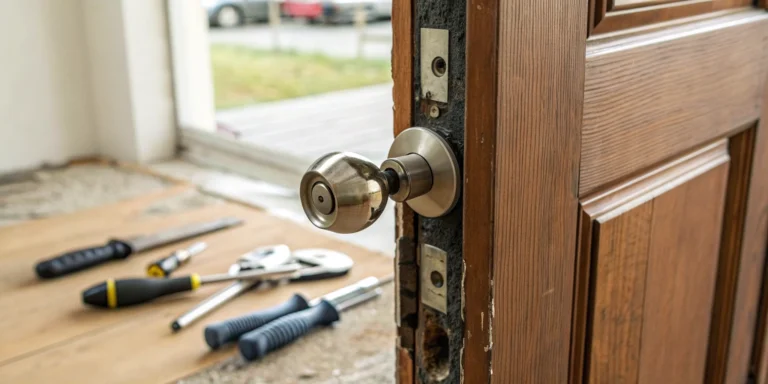
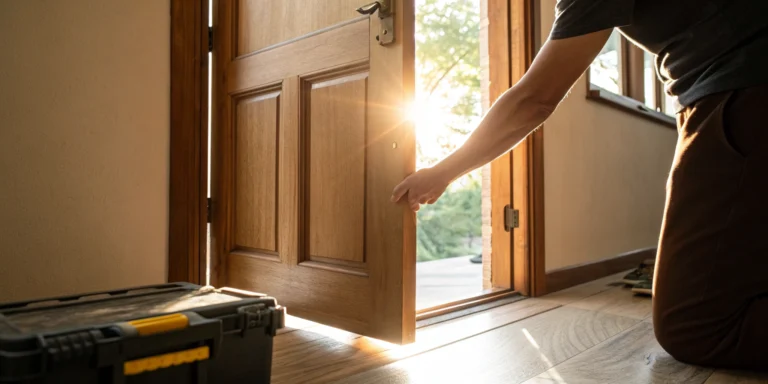
Repairing a broken internal door lock mechanism with various tools.

That moment when a doorknob spins freely in your hand or a key gets stuck can be incredibly annoying. If the symptom is that the lever or knob turns but the door stays closed, use our step-by-step guide to fixing a door handle that turns but will not open. It’s a clear sign that something is wrong inside the door, and often, the culprit is an internal door lock mechanism broken from years of wear and tear. While your first instinct might be to call for help, you may have the power to fix this yourself. This guide is designed for anyone facing a stubborn lock, offering a clear, step-by-step approach to troubleshooting the problem. We’ll cover everything from simple lubrication tricks to identifying when the issue is beyond a DIY fix, empowering you to make the right call.

Key Takeaways

  • Pay attention to the warning signs: Your lock will often signal trouble before it fails completely. Address issues like a sticking key, a misaligned latch, or grinding sounds early on to avoid an emergency lockout situation.
  • Prioritize simple, preventative care: You can prevent most common lock problems with basic maintenance. Regularly tighten loose screws and clean the keyway with a graphite or silicone-based lubricant to keep the mechanism operating smoothly.
  • Know when a DIY fix isn’t enough: While many issues are simple fixes, problems like a broken key, a severely misaligned door, or a completely seized lock require professional help. Calling a locksmith ensures the job is done right without risking your home’s security.

How to Know Your Door Lock is Failing

Your door lock is one of those things you probably don’t think about until it stops working. But locks rarely fail without warning. They usually give off subtle hints that something is wrong before they completely give out, potentially leaving you locked in or out. Paying attention to what you see, feel, and hear can help you catch a problem early and avoid an emergency call. Knowing these signs helps you decide if it’s a simple fix or time to bring in a professional for a lock repair or replacement.

What to Look For

Start with a quick visual check. A common sign of trouble is a misaligned door latch and strike plate—that’s the little metal plate on the doorframe where the bolt goes in. If you notice the door doesn’t latch properly or you have to push or pull it to get the lock to engage, you likely have an alignment issue. Over time, this can put a lot of stress on the internal lock mechanism, causing it to wear out and fail. Check for any visible wear and tear, rust, or loose parts on the lock, handle, and frame. These visual cues are often the first indication that your lock’s integrity is compromised and might require a professional door repair.

What to Feel

How does the lock feel when you use it? A healthy lock should operate smoothly. If you find yourself having to jiggle the key, force the knob to turn, or if the key feels stiff when you insert it, something is wrong inside. The internal pins and springs can wear down or get clogged with debris, causing resistance. A lock that feels unresponsive or a latch that gets stuck are clear signs that the internal mechanism is failing. While a little lubricant can sometimes solve minor stiffness, it won’t fix a worn-out or broken part. If the problem persists, it’s a sign of a deeper issue that needs attention.

What to Listen For

Sometimes, a failing lock will make its problems known through sound. Listen carefully when you turn the key. Do you hear any grinding, clicking, or popping noises? These aren’t normal operational sounds. Grinding can indicate that metal parts are rubbing together incorrectly due to wear or damage. Clicking or popping might mean the internal tumblers aren’t aligning properly or the mechanism isn’t engaging as it should. These sounds are your lock’s way of telling you it’s on the verge of failure. Ignoring them could lead to a complete breakdown, so if you hear anything unusual, it’s best to get it checked out before you face an emergency lockout.

Why Do Door Locks Break?

It’s easy to take your door locks for granted until they stop working. Suddenly, you’re faced with a frustrating and potentially insecure situation. Understanding why a lock fails is the first step toward fixing it and preventing future issues. Most lock problems stem from just a few common causes, from the slow grind of daily use to sudden accidental damage. Knowing what you’re up against can help you decide whether it’s a simple fix or a job for a professional.

A broken lock isn’t just an inconvenience; it can compromise the safety of your home or business. Let’s look at the main reasons your lock might have given up, so you can get a better handle on the problem.

Everyday Wear and Tear

Just like any other mechanical device, door locks have a finite lifespan. Think about how many times a day you turn that key or twist that knob. Inside the lock, tiny pins, springs, and tumblers are constantly moving against each other. Over years of use, these components can wear down, lose their precise alignment, or simply break. This gradual degradation is the most common culprit behind a failing lock. You might notice the key becoming harder to turn or the latch not catching as smoothly as it once did. This is a sign that your lock’s internal mechanism is tired and may need a professional residential locksmith to assess it.

Weather and Humidity

Your exterior doors face the full force of New York’s changing seasons. Extreme temperature shifts from summer to winter can cause the metal components inside your lock to expand and contract, leading to warping and misalignment over time. Humidity is another major factor. Moisture in the air can seep into the lock mechanism, causing rust and corrosion that can seize up the moving parts. This can also affect the door and its frame, causing them to swell or shift slightly. If you find yourself needing to nudge the door to get the key to turn, it’s a good sign that weather conditions are affecting its alignment.

Poor Installation

A door lock is only as good as its installation. If the lock was not installed correctly from the start, it’s only a matter of time before problems appear. The most frequent issue is misalignment between the latch or deadbolt and the strike plate on the doorframe. When they don’t line up perfectly, you have to force the door shut, putting constant stress on the lock mechanism. This strain can lead to premature failure of the internal parts. Proper door repair and installation ensures all components work together smoothly, extending the life of your lock and keeping your property secure.

Accidents and Misuse

Sometimes, a lock breaks due to a single event rather than gradual wear. Using the wrong key and trying to force it can bend or break the pins inside. Slamming a door can jar the mechanism, causing parts to fall out of alignment. A key breaking off in the lock is another common accident that can render it useless. These situations often happen unexpectedly and can leave you locked out. If you’re dealing with a suddenly broken lock from an accident, it’s often best to call an emergency locksmith to avoid causing further damage by trying to force it open yourself.

What You’ll Need (And How to Stay Safe)

Before you start taking things apart, let’s get you set up for success. A little preparation goes a long way in making this repair smoother and safer. Taking a few minutes to gather your tools and clear your space can be the difference between a quick fix and a frustrating afternoon. Think of it as setting up your command center—it helps you stay organized, focused, and safe while you work. We’ll walk through everything you need, from the right screwdriver to the right mindset.

Gather Your Tools

You don’t need a professional-grade toolkit for this job, but having the right items on hand will make all the difference. Most internal door lock issues can be handled with just a few basic tools.

Here’s a quick checklist of what to grab:

  • Screwdrivers: You’ll definitely need a Phillips head and likely a small flathead screwdriver for prying or adjusting.
  • Pliers: Needle-nose pliers are perfect for grabbing small or stubborn parts.
  • Lock Lubricant: Use a graphite or silicone-based spray. Avoid oil-based lubricants like WD-40, which can attract dust and gum up the lock over time.
  • A Small Bowl: This is a lifesaver for keeping track of tiny screws as you remove the knobs and strike plate.

Prioritize Your Safety

Your safety is the most important part of any DIY project. While fixing a door lock isn’t a high-risk job, a few simple precautions are always a good idea. First, consider wearing a pair of work gloves to protect your hands from grime and any potentially sharp metal edges inside the lock mechanism. Work in a well-lit area so you can see exactly what you’re doing.

Most importantly, don’t force anything. If a key or a part is stuck, trying to muscle it can cause the key to snap off in the lock or damage the internal components further. If you find yourself with a broken key, it’s best to call for emergency locksmith services to avoid making the problem worse.

Prep Your Workspace

A little organization can prevent a lot of headaches. Start by laying a towel or an old sheet on the floor beneath the door. This will protect your flooring from scratches and catch any small screws or springs that might fall while you’re working. It’s also a good idea to keep pets and small children out of the area so you can focus without distractions or worrying about lost parts. Having a clear, dedicated space allows you to lay out your tools and the lock components in the order you remove them, which makes reassembly much easier.

Mistakes to Avoid Before You Start

Knowing what not to do is just as important as knowing what to do. Many common DIY mistakes can turn a simple repair into a call for a professional. One of the biggest errors is ignoring the root cause of the problem. Often, a faulty lock is just a symptom of a misaligned door. If your door doesn’t latch smoothly, you may need door repair and installation to fix the underlying issue.

Also, avoid the temptation to use a cheap, low-quality replacement lock if you decide to swap it out. Investing in a durable lock from the start saves you trouble down the road. Finally, know when a lock is beyond repair. If the mechanism is severely rusted or broken, a DIY fix might only be a temporary solution that compromises your home’s security. In that case, a full replacement by a residential locksmith is your safest bet.

How to Diagnose the Problem: A Step-by-Step Guide

Before you can fix the problem, you need to know what you’re dealing with. Playing detective for a few minutes can save you a lot of time and frustration. By systematically checking a few key areas, you can usually pinpoint what’s wrong and figure out the best way to handle it. This simple diagnostic process will help you get to the bottom of why your lock is giving you trouble.

Start With a Visual Inspection

First, just take a close look. Get down at eye level with your lock, latch, and door frame. Do you see any obvious signs of damage, like cracks in the lock’s housing or bent metal parts? Pay special attention to the latch mechanism. Common reasons for a stuck latch include a buildup of dirt or rust that’s jamming the works. You might even be able to spot a broken internal component if something looks clearly out of place. A quick visual scan is often the first step in solving the mystery.

Test the Lock and Key

Now, let’s see how it feels. Insert your key and turn it slowly. Does it slide in smoothly, or does it catch and snag? When you turn it, do you feel a lot of resistance, or is there a gritty sensation? If the lock won’t turn at all, don’t force it. Instead, try gently pushing or pulling on the door while you turn the key. Sometimes, a little pressure is all that’s needed to help a stuck latch retract. A grinding feeling could mean worn-out parts, while a lock that won’t budge might signal a more serious jam.

Check Your Door’s Alignment

If your door has trouble latching shut, there’s a good chance you’re dealing with a simple alignment issue. Over time, doors can sag and frames can shift, causing the latch or deadbolt to no longer line up perfectly with the strike plate on the door frame. To check this, close your door slowly and watch exactly where the latch hits. Is it too high, too low, or off to the side? If it isn’t entering the hole cleanly, you’ve likely found your problem. A misaligned door is one of the most frequent causes of lock trouble.

Try These Simple Fixes First

Before you start taking anything apart, try the easiest solution first: lubrication. A stiff or sticky lock often just needs a little help to get moving again. First, clean out any visible dust from the keyway with a quick puff of compressed air. Then, apply a graphite or silicone-based lock lubricant—not WD-40. While WD-40 might offer a temporary fix, it attracts dust and leaves a sticky residue that will make the problem worse down the line. A proper lubricant can solve many minor issues and get your lock working smoothly again.

Stuck? How to Open a Door With a Broken Lock

It’s a frustrating moment: the doorknob turns, but nothing happens. Or maybe it won’t turn at all. When a lock mechanism fails, it can leave you stuck on one side of the door. Before you panic or try to force it, take a deep breath. There are a few methods you can try to get the door open without causing more damage. These techniques are best for interior doors, as exterior doors often have more complex security features. Let’s walk through a few tricks, starting with the simplest.

Try Removing the Doorknob

If the latch is stuck inside the door, sometimes you can operate it manually by taking the knob off. First, find the screws on the doorknob’s backplate or handle and remove them. Once the screws are out, you should be able to pull the handle or knob off on your side. This will expose the inner workings. Look for the square hole where the handle spindle used to be. You can insert a flathead screwdriver into this mechanism and try turning it away from the door frame. This action can often retract the latch, allowing you to open the door.

Use the Hinge Pin Method

If removing the doorknob doesn’t work, your next option is to take the door off its hinges. This method only works if the hinges are on your side of the door. Look for the hinge pins—the small metal rods that hold the two sides of the hinge together. If there are caps on the hinges, pop them off. Then, using a hammer and a nail or a thin screwdriver, gently tap the bottom of each hinge pin upward until it comes loose. Once all the pins are out, you should be able to carefully pull the door away from the frame.

Other Ways to Get In

You’ve probably seen this one in movies, but it can work on simple spring-latch locks (not deadbolts). Grab a sturdy, flexible plastic card, like a laminated library card or a gift card (a credit card might get damaged, so use one you don’t mind sacrificing). Slide the card into the vertical gap between the door and the frame, right where the latch is. You’ll need to wiggle it in and angle it toward the doorknob. The goal is to push against the sloped side of the latch bolt, forcing it back into the door so you can swing it open.

Know When to Stop and Call for Help

If you’ve tried these methods and the door still won’t budge, it’s time to pause. Trying to force the door open can damage the door itself, the frame, and the locking mechanism, leading to a much more expensive problem. If the latch is completely seized, you hear grinding metal sounds, or you simply can’t get any of these techniques to work, it’s a sign that the internal mechanism is severely broken. This is the point where you should call for professional help. An emergency locksmith has specialized tools to open the door without causing unnecessary damage.

When to Call in a Professional

While tackling a home repair project yourself can be incredibly satisfying, some jobs are best left to the experts—especially when your home’s security is on the line. A faulty lock isn’t just an inconvenience; it’s a vulnerability. If you’ve tried the basic fixes and are still struggling, or if you simply don’t feel confident taking your door apart, it’s time to call for backup. Recognizing when a problem is beyond a DIY fix is the smartest move you can make to ensure the job is done right and your home remains secure. A professional locksmith has the tools, experience, and knowledge to diagnose the underlying issue quickly and provide a lasting solution.

Is It Time to Call a Locksmith?

You’ve wiggled the key, tightened the screws, and cleaned the mechanism, but the lock still isn’t working. So, when do you throw in the towel? A major red flag is a misaligned lock. If you can see that the latch bolt isn’t lining up with the strike plate on the doorframe, it often points to a bigger issue with the door’s alignment that a professional should address. Other clear signs include a key turning freely without engaging the lock, a key breaking off inside the mechanism, or the lock feeling completely seized. If you’re in a lockout situation, don’t hesitate to call an emergency locksmith who can get you inside without damaging your door.

What to Expect for Repair Costs

It’s natural to worry about the cost of a professional service call, but a reliable locksmith will be transparent about their pricing. The final cost will depend on a few factors: the complexity of the lock mechanism, the extent of the damage, and whether parts need to be repaired or replaced. Generally, the price includes a service fee for the visit, labor charges for the time spent on the repair, and the cost of any new parts. Before any work begins, a technician should assess the problem and provide you with a clear quote. This allows you to approve the cost upfront, ensuring there are no surprises. For specific issues with your home’s locks, a residential locksmith can offer a precise estimate.

Repairing vs. Replacing Your Lock

Sometimes, a full replacement is actually more cost-effective than a repair. For a standard, inexpensive interior doorknob, buying a new one is often cheaper and faster than paying for the labor to fix the old one. However, if you have a vintage, high-security, or custom lock that matches other hardware in your home, repairing it is likely the better choice. A professional locksmith can help you weigh the pros and cons. They can determine if a repair will provide a durable, long-term solution or if a replacement is the more sensible investment. They have experience with all kinds of door repair and installation scenarios and can guide you to the best decision for your situation.

Don’t Compromise Your Home’s Security

At the end of the day, a functioning lock is fundamental to your peace of mind. If you feel overwhelmed by the repair or if the lock still feels flimsy after your attempts to fix it, it’s not worth the risk. A poorly repaired lock can fail when you least expect it or, worse, provide a false sense of security. Calling a professional ensures the job is done correctly and your home is properly secured. A locksmith can also assess your overall setup and identify other potential weaknesses, sometimes recommending simple upgrades to your security systems that can make a big difference in keeping your home safe.

How to Prevent Future Lock Problems

You’ve just spent time and energy fixing your door lock, and the last thing you want is a repeat performance. The good news is that a little preventative care can go a long way in keeping your locks working smoothly for years. You don’t need to be a professional to perform basic upkeep. By building a few simple habits, you can avoid the frustration of a jammed key or a door that won’t latch, saving yourself time, money, and a major headache down the road. These next few steps will help you create a simple maintenance plan that keeps your locks in top shape and your property secure.

Create a Simple Maintenance Routine

The easiest way to prevent lock failure is to catch small issues before they become big ones. You don’t need a complicated schedule; just plan to check your most-used locks once every few months. Gently wiggle the doorknobs and levers to make sure they feel secure, not loose. Tighten any visible screws on the lockset, strike plate, and hinges. Test the key in the lock—does it turn smoothly, or do you feel resistance? A simple, regular check-in helps you spot problems early, ensuring your residential locksmith services are for upgrades, not emergencies.

Use Your Locks Correctly

How you use your doors every day has a huge impact on your locks’ lifespan. Avoid slamming doors, as the repeated impact can misalign the latch and strike plate, causing latching problems. If you have to jiggle the key or force it to turn, stop. Forcing it can damage the internal mechanism or even break the key off in the lock. Instead, investigate the cause. Often, the issue is a misaligned door. If your door doesn’t close flush with the frame, the lock has to work much harder. A professional door repair can often solve persistent lock issues.

The Right Way to Clean and Lubricate

Dust, grime, and tiny metal shavings can build up inside your lock’s mechanism over time, causing it to stick. Simple maintenance can prevent these common door lock problems. Once a year, give your locks a quick cleaning. Start by spraying compressed air into the keyway to blow out any debris. Then, apply a dry lubricant like a graphite or silicone-based spray. Avoid using oil-based products like WD-40, as they can attract even more dirt and gunk up the lock’s pins. A quick spray and a few turns of the key will distribute the lubricant and keep things moving freely.

Tips for Long-Lasting Locks

The quality of your lock matters. Using low-quality or cheap locks might save you money upfront, but they often fail much sooner and can compromise your security. Investing in a durable, well-made lock from a reputable brand is one of the best ways to ensure longevity. When you combine a high-quality lock with regular maintenance, you get a security solution you can rely on for years. If you’re looking to upgrade, our commercial locksmiths can recommend and install hardware that’s built to last and suited for your property’s specific needs.

Related Articles

Frequently Asked Questions

My lock is just a little sticky. Can I use WD-40 to fix it? Please don’t! While it might seem like a quick fix, oil-based lubricants like WD-40 actually attract dust and grime, which will gum up the internal mechanism and make the problem worse over time. Instead, use a dry lubricant like a graphite or silicone-based spray. These are designed specifically for locks and won’t leave a sticky residue.

Is a wobbly or loose doorknob a big deal? Yes, it’s something you should address right away. A loose doorknob is often a sign that the mounting screws have come undone, which is usually a simple fix. If you ignore it, the constant movement can put stress on the internal latch mechanism, causing it to wear out and fail prematurely. It can also be a security risk, as a loose lock is often easier to manipulate.

How can I tell if the problem is the lock itself or my door’s alignment? Here’s a simple test you can do. Open the door completely and try operating the lock. If the key turns smoothly and the deadbolt extends and retracts without any issue, the lock mechanism is probably fine. The problem is likely the alignment between your door and the frame. If the lock is still stiff or difficult to turn even with the door wide open, then the issue is inside the lock itself.

My key broke off inside the lock. What’s the first thing I should do? The first thing to do is resist the urge to poke at it with tweezers or a paperclip. You can easily push the broken piece further into the lock or damage the internal pins, turning a straightforward extraction into a much more complicated repair. The safest and most effective step is to call an emergency locksmith who has the proper tools to remove the key fragment without damaging the lock.

When is it better to just replace the whole lock instead of trying to repair it? A good rule of thumb is to consider the cost and quality of the lock. For a standard, inexpensive interior doorknob, it’s often cheaper and faster to buy a brand-new one than to pay for the labor to fix the old one. However, if you have a high-security lock, a vintage piece, or hardware that matches a set throughout your home, repairing it is usually the more sensible and cost-effective choice.

Need professional help in NYC? Contact Golden Key Locksmith NYC for Commercial Door Repair or Metal Door Repair. Available 24/7 across Manhattan and all NYC boroughs.