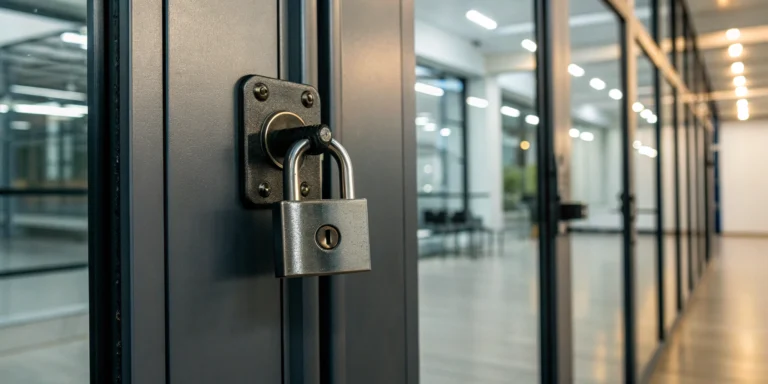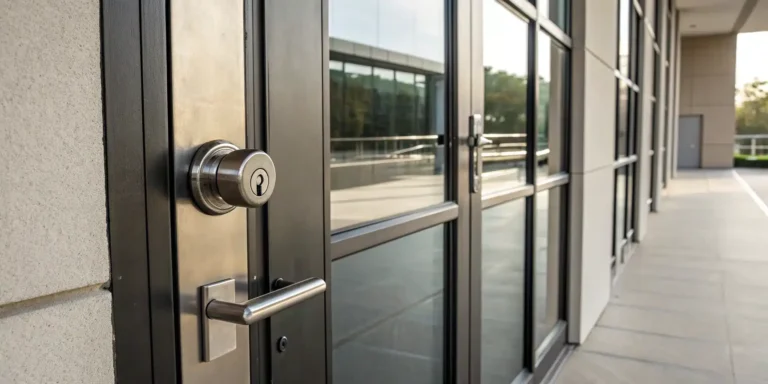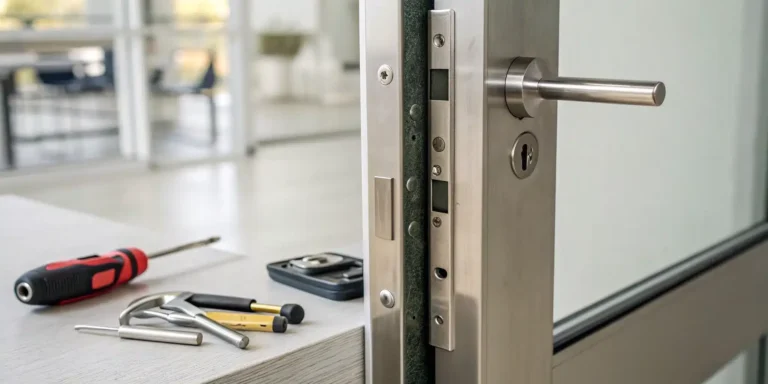
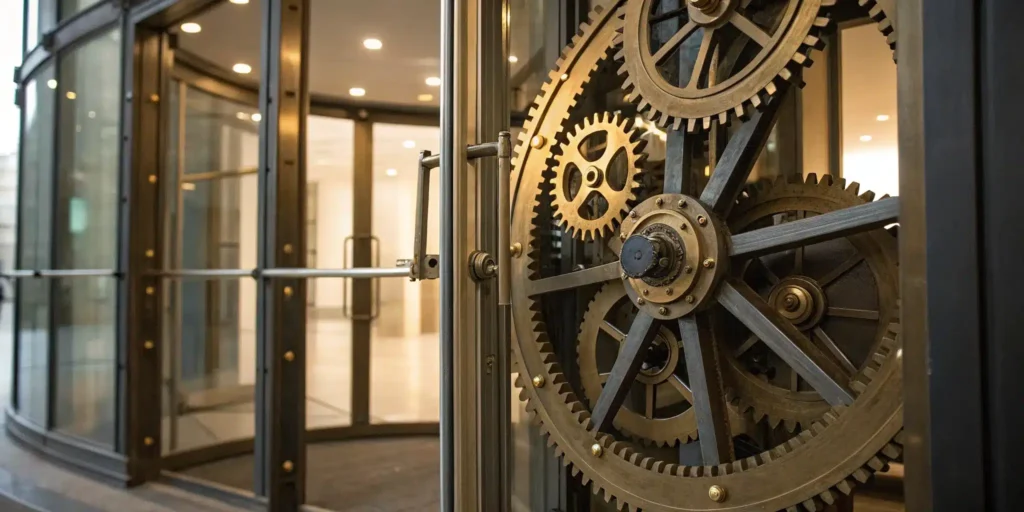
Revolving-door locking mechanisms typically use manual floor or ceiling locks, electromechanical deadbolts, magnetic locks, or access-control-connected electric locks. The right mechanism depends on the door manufacturer, fire-safety setup, traffic volume, and whether building staff need remote lockdown or scheduled access. For NYC repair and maintenance, see our revolving-door service.
Lock not the only thing acting up? Speed control, wing alignment, floor pivots and breakout hardware are the everyday faults behind a revolving door that will not secure. Golden Key Locksmith NYC, a licensed NYC locksmith since 1984, repairs and maintains revolving doors for building managers and boards — see our revolving door repair and maintenance page or call (212) 204-1655.
Key Takeaways
- Balance Security Needs with Operational Simplicity: Decide if a straightforward manual lock is sufficient for your needs or if an electric system is a better fit for advanced features like remote lockdown and integration with your building’s security network.
- Look Beyond the Lock Type to Key Features: The right mechanism depends on specific functions. Evaluate options like fail-safe vs. fail-secure for power outages, remote access for convenience, and compatibility with your existing access control systems.
- Rely on Professional Expertise for Installation and Upkeep: Proper installation and regular maintenance are non-negotiable for these complex systems. Using a revolving door repair and service specialist ensures your lock is installed correctly and maintained to prevent security gaps and costly future repairs.
What Is a Revolving Door Locking Mechanism?
At its core, a revolving door is designed for efficiency—it keeps conditioned air in, outside air out, and allows a steady flow of people to move through your building’s entrance. But what happens after hours, or during a security event? That’s where a revolving door locking mechanism comes in. It’s a specialized system designed to secure the door, preventing the wings from turning and stopping unauthorized entry. These mechanisms add a critical layer of security to your building’s main access point without compromising the door’s primary function. Think of it as the feature that transforms your revolving door from a simple entryway into a secure part of your building’s perimeter.
Unlike standard door locks, these systems are engineered to work with the unique rotational design of a revolving door, often engaging at multiple points in the floor and ceiling to create a truly immobile barrier. This ensures that even with significant force, the door cannot be pushed through, providing a much higher level of security than a simple glass door with a single lock. A robust locking system is essential for any commercial locksmith strategy, ensuring you have full control over who enters your property at all times. Choosing the right mechanism is a key decision for any facility manager or business owner in a high-traffic area like Manhattan or Brooklyn. It’s not just about locking up at night; it’s about having a reliable system that can adapt to different situations, from daily use to emergency lockdowns.
How Do Revolving Door Locks Work?
Revolving door locks operate using either manual or electronic systems, giving you flexibility based on your security needs. Manual locks are the most straightforward option, typically involving heavy-duty physical bolts that an employee slides into place in the floor, ceiling, or both. This physically obstructs the door wings from turning. Electronic systems, however, offer more advanced and convenient control. As security experts at Boon Edam note, staff can often use a remote button to instantly lock the door wings from a reception desk or security office. This allows for a swift response to any potential threat without needing to physically approach the door. These electric locks can also be integrated directly into your building’s main security system for automated locking schedules or immediate lockdown during an emergency.
Why Your Commercial Building Needs One
A revolving door without a proper locking mechanism is a significant security vulnerability, essentially leaving a main entrance open to potential threats. For any commercial property, controlling access is the first line of defense against theft, vandalism, and unauthorized entry. High-security locks are fundamental to protecting your assets, employees, and tenants. The type of lock you choose directly impacts your building’s overall security posture, making it a critical decision. By installing a reliable locking mechanism, you’re not just securing a door; you’re reinforcing your entire security framework. Integrating these locks with broader security systems gives you centralized control and a more comprehensive, proactive approach to protecting your New York City property from the inside out.
Common Types of Revolving Door Locks
Revolving doors aren’t just about managing foot traffic and energy efficiency; they’re also a key part of your building’s security. The locking mechanism you choose plays a huge role in how secure that entrance is. From simple manual bolts to sophisticated electronic systems that integrate with your building’s security, there’s a solution for every need. Understanding the different types can help you make the right choice for your property. Let’s walk through the most common options you’ll find.
Manual Floor and Ceiling Locks
Think of these as the classic, no-fuss option. Manual locks are straightforward bolts, usually located at the top (ceiling) or bottom (floor) of the door wings. A staff member uses a physical key to slide the bolt into place, securing the door. They are incredibly reliable because they don’t depend on power or complex electronics. While they’re a solid choice for basic security or as a backup, their main drawback is the need for manual operation. Someone has to be physically present to lock and unlock the door, which might not be ideal for every business. If you have one of these that needs a fix, a professional can handle the door repair and installation with ease.
Electric Locking Systems
Electric locks are a major step up in convenience and response time. Instead of using a manual key at the door, these systems allow staff to lock the door wings by simply pushing a button at a reception or security desk. This is perfect for situations where you need to secure an entrance quickly without sending someone to the door. Electric locks are often the foundation for more advanced security setups, providing a faster and more efficient way to control access. For businesses looking to improve their entry points, exploring commercial locksmith services is a great first step to see how these systems can be integrated into your daily operations.
Magnetic Locks
Magnetic locks, or maglocks, are a powerhouse for securing revolving doors, especially after hours. They use a strong electromagnet to hold the door wings shut, creating a very secure seal. One of the biggest advantages of maglocks is their durability—with no moving parts to wear out, they require very little maintenance. Most are also designed to be “fail-safe,” meaning they automatically release when the power is cut, which is a critical safety feature during a fire or other emergency. Integrating these into your building’s overall security systems can provide a robust layer of protection for your main entrance, ensuring it’s completely sealed when you need it to be.
Remote Locking Systems
Remote locking takes the convenience of electric systems to the next level. This technology allows you to lock or unlock your revolving doors from virtually anywhere—not just a nearby security desk. You can manage access through a central security console, a computer, or even a smartphone app. These systems can also be automated to lock down at a specific time each day or integrate with your building’s access control system. This level of control is ideal for businesses that need flexible and responsive security management, giving you the power to secure your entrance whether you’re on-site or off.
Emergency Lock Mechanisms
When a threat is immediate, you need a solution that’s just as fast. Emergency lock mechanisms are designed for exactly these high-stakes situations. Often called a “panic button” feature, this system allows staff to instantly lock the revolving door wings with a single push of a button. The door is immediately secured, regardless of the wings’ position, preventing anyone from entering or exiting. This feature is a non-negotiable for high-security environments like banks and corporate offices. Having a reliable emergency locksmith on call is crucial to ensure these critical systems are always functioning perfectly when you need them most.
How Electric Locking Mechanisms Improve Security
Electric locking mechanisms are a significant step up from traditional manual locks, offering a more dynamic and responsive way to secure your building’s entrance. Instead of relying on a physical key, these systems use electrical power to control the lock, opening up a world of advanced security features. For any business in a bustling area like Manhattan or Brooklyn, having this level of control is essential. These locks can be managed remotely, integrated with your building’s main security system, and programmed to react instantly in an emergency. This technology transforms a simple revolving door into an active part of your security strategy, giving you more oversight and peace of mind. Upgrading to an electric system is a smart move for any commercial property looking to enhance its safety protocols.
Remote Control Access
One of the biggest advantages of electric locks is the ability to control them from anywhere. Remote access means you or your security team can lock or unlock a revolving door without having to be physically present. This can be done manually from a security desk or even automatically through your building’s security system. It’s incredibly useful for after-hours management or in situations where you need to secure an entrance quickly. Modern systems also include safety sensors that check to ensure no one is in the doorway before the lock engages, preventing accidents and adding another layer of protection for everyone using the entrance.
Emergency Lockdown Features
In a security situation, every second counts. Electric locking mechanisms provide an immediate response with emergency lockdown features. With the press of a button, staff can instantly lock the revolving door wings, securing the entrance regardless of their position. This rapid lockdown capability is critical for containing a threat and protecting the people inside your building. Having a reliable emergency locksmith team to install and maintain these systems ensures they function perfectly when you need them most, providing a crucial tool for your building’s emergency preparedness plan.
Integration with Building Security
Electric revolving door locks don’t have to work in isolation. They are designed to be seamlessly integrated with your building’s broader security infrastructure. This means the door can communicate with your alarms, surveillance cameras, and central security panel. For example, you could program the doors to automatically lock if a security alarm is triggered elsewhere in the building. This creates a cohesive and intelligent security network that works together to protect your property. Integrating your door locks is a key part of modern security systems, turning individual components into a unified defense.
Access Control Compatibility
For businesses that need to manage after-hours entry for employees or cleaning crews, electric locks offer a perfect solution. They are fully compatible with modern access control systems, allowing authorized individuals to use their key cards, fobs, or other credentials to enter through the revolving door when it would otherwise be locked. This feature gives you precise control over who can enter your building and when, all without the hassle of distributing physical keys. It enhances security by creating a detailed log of entry and exit, while also providing necessary flexibility for your team.
Key Features to Look For in a Locking Mechanism
Choosing the right type of lock is the first step, but the specific features of that mechanism are what truly define its effectiveness for your building. Think of it like buying a car—you know you want an SUV, but now you need to decide on the features like all-wheel drive, a sunroof, or advanced safety sensors. The same logic applies to your revolving door’s security. You need to consider how the lock will function day-to-day, what happens in an emergency, and how it will hold up over time. A lock isn’t just a piece of hardware; it’s an integral part of your building’s daily operations and security protocol.
To make the best decision, focus on features that align with your building’s traffic flow, security protocols, and safety requirements. A high-traffic corporate lobby has different needs than a luxury residential building or a government facility. Looking at these key features will help you find a locking mechanism that not only secures your entrance but also integrates smoothly with your building’s operations. From remote control capabilities to its performance during a power outage, every detail matters in creating a secure and reliable entry point that protects your assets and people without causing unnecessary friction for those who come and go every day.
Remote Access and Control
Imagine being able to lock down your building’s entrance from a security desk or even a mobile device. That’s the power of remote access. This feature allows you to engage the lock electrically from a different location, which is a huge advantage for managing building security efficiently. Many systems can be connected to your building’s main security system, allowing for automated locking at the end of the day or during specific hours. For safety, these systems often include sensors that check if anyone is inside the door’s path before it locks, preventing accidents and ensuring a smooth, secure closure every time. This level of control gives you flexibility and immediate command over your primary entry point.
Emergency Override Functions
In a security situation, every second counts. An emergency override is a non-negotiable feature for any commercial building. It gives your security staff the ability to instantly lock the revolving door with the push of a button. If there’s a threat, this function can immediately stop the door wings, securing the entrance regardless of their position. This rapid response can be the key to preventing unauthorized entry and protecting the people inside. Having a reliable emergency locksmith service on call ensures these critical systems are always functioning correctly, so you can trust them to work when you need them most.
Fail-Safe vs. Fail-Secure Options
When the power goes out, what happens to your locks? This is where the distinction between fail-safe and fail-secure becomes critical. A fail-safe lock will automatically unlock when it loses power, which is essential for fire safety and allowing people to exit during an emergency. A fail-secure lock does the opposite—it remains locked, keeping your property secure even during an outage. The right choice depends on the specific door and your security priorities. For instance, you might want a fail-safe lock on a main exit but a fail-secure one on a high-security interior door. A professional commercial locksmith can help you determine the best configuration for your building’s unique layout and safety codes.
Durability and Weather Resistance
A revolving door lock in New York City has to be tough. It faces constant use from high foot traffic and has to withstand everything from summer humidity to winter snow and ice. A locking mechanism is only as good as the materials it’s made from. Look for high-quality, long-lasting systems built with durable components like stainless steel that resist corrosion and wear. Investing in a robust lock from the start means fewer breakdowns and a longer service life, saving you from the headache and cost of frequent door repairs and installations. It’s a practical choice that ensures reliability year after year.
Power Backup Systems
For any electric locking mechanism, a power backup system is essential. Your building’s security shouldn’t disappear during a power outage. A backup system, typically a battery or connection to a generator, ensures your locks continue to function without interruption. This means your access control system stays online, your emergency overrides remain active, and your building stays secure. It’s a critical feature that provides peace of mind, guaranteeing that your revolving door’s security is operational 24/7, no matter what’s happening with the city’s power grid. This continuous operation is fundamental to a comprehensive security plan.
Manual vs. Electric Locks: Which Is Right for Your Business?
Choosing the right lock for your building’s revolving door often comes down to a classic debate: manual versus electric. It’s not just about turning a key versus pushing a button; it’s about balancing your daily operations, security protocols, and budget. The best choice depends entirely on your specific needs. A small boutique in Brooklyn with regular business hours might have different requirements than a 24/7 corporate headquarters in Manhattan that sees hundreds of people an hour.
Manual locks offer simplicity and reliability, while electric locks provide advanced security and convenience. Understanding the fundamental differences in how they operate, what they cost, and the level of protection they offer is the first step. As a business owner, you need a solution that not only secures your property but also fits seamlessly into your workflow. An inefficient or insecure locking mechanism can create daily frustrations and leave your assets vulnerable. Let’s break down the pros and cons of each system to help you decide which one makes the most sense for your commercial space.
Manual Lock Pros and Cons
Think of manual locks as the traditional, straightforward option. A staff member uses a physical key to slide a bolt into the floor or ceiling, securing the door wings in place. The primary advantage here is simplicity. They are generally less expensive to install and have fewer components that could malfunction, making maintenance easier.
However, the biggest drawback is the need for physical intervention. Someone must always be present to lock and unlock the door, which can be inefficient and a security risk, especially during opening and closing times. If an emergency occurs, you can’t lock the door down instantly from a safe distance, leaving a potential vulnerability in your building’s security.
Electric Lock Benefits and Features
Electric locks are the modern solution for businesses that prioritize immediate response and integrated security. These systems allow you to lock the door electronically, often with the push of a button from a reception desk or security office. This remote capability is a major advantage. If there’s a threat, your staff can secure the entrance instantly without putting themselves in harm’s way.
Many electric systems also integrate with your building’s overall security systems, allowing for scheduled locking and unlocking or connection to an access control panel. Advanced models even have sensors that check if someone is inside the door before engaging the lock, preventing accidents and ensuring smooth operation. This level of control and automation provides significant peace of mind.
Comparing Cost and Maintenance
When it comes to budget, there’s a clear distinction between the two. Manual locks are less expensive upfront. The hardware is simpler and the installation is more direct, leading to lower initial costs. Maintenance is also typically cheaper since you’re dealing with mechanical parts rather than electronic components.
Electric locks require a larger initial investment. The hardware is more complex, and the installation often involves wiring and integration with other systems. While generally reliable, maintenance can also be more costly if electronic parts need repair or replacement. However, for many businesses, the enhanced security, convenience, and control offered by electric locks provide a long-term value that justifies the higher price tag, making them a crucial part of any modern commercial locksmith strategy.
Who Makes High-Quality Revolving Door Locks?
When you’re securing a commercial building, the brand of your revolving door lock matters just as much as the type. Choosing a reputable manufacturer ensures you get a reliable, durable, and effective system that stands up to daily use and potential security threats. The right hardware is built with high-quality materials, undergoes rigorous testing, and comes with solid support for maintenance and repairs. Investing in a trusted name from the start saves you from dealing with frequent malfunctions, security vulnerabilities, and costly replacements down the road.
While many companies produce revolving doors, only a few specialize in the advanced locking mechanisms that keep modern buildings safe. These industry leaders are known for their innovation, engineering, and commitment to security standards. They offer a range of solutions, from simple manual locks to sophisticated electric systems that integrate with your building’s overall security network. Below, we’ll look at some of the top names in the industry and explain how a local expert can help you choose and install the perfect system for your property.
Golden Key Locksmith NYC Solutions
While global brands manufacture the hardware, you need a local expert to install, maintain, and repair it correctly. That’s where we come in. At Golden Key Locksmith NYC, we specialize in comprehensive commercial locksmith services for businesses across Manhattan, Brooklyn, and Queens. Our team has hands-on experience with locking mechanisms from all the top manufacturers, including Boon Edam, Horton, and ASSA ABLOY. We understand the unique security challenges of NYC buildings and can recommend the best system for your needs, ensuring a flawless installation that meets all local codes. Plus, our 24/7 emergency service means we’re always here to help if something goes wrong.
Boon Edam Mechanisms
Boon Edam is a leading name in the world of revolving doors, and for good reason. The company is known for creating systems that masterfully balance security with seamless entry. According to the company, their revolving door security options are designed to provide effective access control while maintaining the principle of “always open, always closed.” This design philosophy makes them an excellent choice for high-traffic public buildings where managing flow is just as important as preventing unauthorized access. Their focus on energy efficiency is another major benefit, helping building owners reduce heating and cooling costs while securing their entrances.
Horton Automatics Systems
If durability and robust engineering are your top priorities, Horton Automatics is a name you can trust. They are known for delivering high-quality, long-lasting revolving doors and locking systems built to withstand the demands of any commercial facility. As Horton Automatics states, their revolving door systems are “expertly engineered and skillfully constructed to meet stringent building codes.” This makes them a particularly strong choice for new constructions or major renovations in New York City, where compliance is non-negotiable. A Horton system is an investment in reliability and long-term performance for your building’s main entrance.
ASSA ABLOY Security Solutions
ASSA ABLOY is a global powerhouse in the security industry, and their revolving door solutions, often under the Besam brand, live up to that reputation. Their systems are praised for being well-built, well-documented, and widely supported. For commercial applications where reliability is critical, their products are a top-tier choice. As one industry analysis notes, their doors are a strong option if your priority is reliability and safety. Because ASSA ABLOY is such a large and established company, finding parts and qualified technicians for service is often easier, ensuring your entrance remains secure and operational with minimal downtime.
What Security Problems Do Revolving Door Locks Solve?
Revolving doors do more than just manage foot traffic and save on energy bills; they are a fundamental component of a building’s security infrastructure. For any business in a bustling city like New York, controlling who comes and goes is a top priority. A revolving door equipped with the right locking mechanism acts as a gatekeeper, offering a level of control that traditional hinged doors simply can’t match. From preventing unauthorized people from slipping in after hours to managing building access during an emergency, these systems address several key security challenges head-on.
By design, revolving doors create a more deliberate entry process. This inherent feature, when combined with advanced locking technology, transforms your entrance from a simple doorway into an active part of your security strategy. Whether you’re looking to stop tailgating into a secure office or need the ability to lock down your facility instantly, a revolving door lock provides a robust solution. A professional commercial locksmith can help you integrate these systems to protect your property, assets, and people effectively.
Preventing Unauthorized Access
A revolving door’s primary security function is to prevent unauthorized entry. When locked, it creates a formidable physical barrier that is much harder to breach than a standard door. High-security locks are essential for controlling access, especially after business hours. Unlike a swinging door that can be propped open or easily forced, a securely locked revolving door seals the entrance. This is your first line of defense against break-ins and trespassing.
Modern locking mechanisms can be integrated with your building’s overall security systems, allowing you to schedule automatic locking and unlocking. This ensures your property is secured at the end of the day without manual intervention, reducing the risk of human error and giving you peace of mind.
Managing Emergency Situations
In an emergency, controlling your building’s entry points is critical. Revolving door locks with remote emergency features allow security personnel to lock down the entrance instantly. With just the push of a button, the door wings can be blocked, preventing a potential threat from entering the premises. This rapid response capability is invaluable during a security alert or lockdown procedure, buying precious time for people inside to get to safety.
This feature is especially important for high-traffic buildings like corporate headquarters, schools, or government offices. Having the ability to secure your main entrance remotely is a core part of any modern emergency preparedness plan. An emergency locksmith can ensure these systems are installed correctly and function reliably when you need them most.
Controlling Entry and Exit Flow
Revolving doors naturally regulate the flow of people entering and leaving a building. By allowing only one or two people to pass through per rotation, they prevent a large, chaotic crowd from rushing in at once. This controlled pace gives your security team a better opportunity to observe everyone who enters, identify potential threats, and maintain order in your lobby.
This deliberate flow is a subtle but powerful security feature. It makes it easier to manage high-traffic periods and ensures a more orderly environment. When paired with access control systems like keycard readers on specific wings, you can further refine entry protocols, ensuring that the steady flow of traffic is also a secure one.
Stopping Tailgating
“Tailgating,” or “piggybacking,” happens when an unauthorized person follows an authorized individual through a secure door. It’s a common security breach that standard doors do little to prevent. Security revolving doors are specifically engineered to solve this problem. Many advanced models are equipped with sensors that can detect if more than one person is inside a single compartment.
If the system detects a tailgating attempt, it will stop rotating and can even trigger an alarm, preventing the unauthorized person from gaining access. This feature is crucial for protecting sensitive areas and ensuring that only credentialed personnel can enter. It adds a vital layer of protection against unwanted guests and strengthens your building’s overall access control.
Best Practices for Installation and Maintenance
Choosing the right revolving door lock is just the first step. To get the most out of your investment and ensure your building remains secure, you need to focus on proper installation and consistent maintenance. Think of it like a car—you wouldn’t expect it to run forever without a tune-up. The same principle applies to sophisticated security hardware. A well-maintained locking mechanism not only functions reliably but also lasts longer, saving you from unexpected repair costs and potential security breaches. Establishing a solid routine for care from day one will keep your entryway secure, safe for everyone who passes through, and operating just as smoothly as the day it was installed.
Why You Need Professional Installation
While it might be tempting to handle installation in-house, this is one area where you absolutely need a professional. Revolving door locking mechanisms are complex systems that require precise calibration. As experts note, trained professionals must make adjustments to ensure the components align perfectly and the door can revolve without any hindrance. An improper installation can compromise the lock’s integrity, create security gaps, or even cause the door to malfunction, posing a safety risk. A professional door repair and installation service ensures the lock is fitted correctly, integrated with your existing systems, and tested thoroughly, giving you complete peace of mind.
Creating a Regular Lubrication Schedule
The moving parts within a locking mechanism are under constant stress. To keep them working correctly, regular lubrication is non-negotiable. Over time, friction can cause components to wear down, leading to sticking, grinding, or complete failure. It’s crucial to use a lubricant recommended by the manufacturer to avoid damaging the internal mechanisms. The best approach is to establish a consistent maintenance schedule that includes regular greasing. This simple, proactive step prevents the vast majority of mechanical issues and extends the life of your lock. A commercial locksmith can help you create a schedule tailored to your specific hardware and building traffic.
Following Routine Inspection Protocols
Catching small issues before they become major problems is the key to effective maintenance. That’s why a routine inspection protocol is so important. Create a simple checklist of essential maintenance practices to help keep your revolving doors operating smoothly. During these checks, you or your maintenance team should look for any loose screws or bolts, signs of unusual wear and tear, and listen for any strange noises during operation. You should also verify that the lock engages and disengages cleanly every time. Documenting these inspections helps you track the hardware’s condition over time and address potential issues before they lead to a lockout or security failure.
Testing Safety Features
The safety features integrated into your locking mechanism are there for a reason—to protect people during an emergency. But they’re only useful if they work when you need them most. That’s why you must ensure safety features are working through regular testing. This includes checking emergency override buttons, verifying that fail-safe or fail-secure functions activate correctly during a simulated power outage, and confirming that the lock integrates properly with your fire alarm or building security system. Making this a standard part of your inspection routine ensures you’re always prepared. If you ever face a real crisis, you’ll know your emergency locksmith systems are ready to respond.
How Much Do Revolving Door Locking Mechanisms Cost?
Figuring out the budget for a new revolving door lock is a top priority for any business. The final price tag isn’t just for a single piece of hardware; it reflects the entire security solution you’re putting in place. Costs can vary significantly based on the type of lock, its features, and the complexity of the installation. Think of it less as a one-time purchase and more as an investment in your building’s safety and efficiency.
To give you a clear picture of what to expect, let’s break down the costs. We’ll look at the general price ranges for different types of mechanisms, explore the key factors that drive the price up or down, and discuss why thinking about long-term value is just as important as the initial sticker price. This will help you make an informed decision that fits both your security needs and your budget.
Price Ranges for Each Mechanism Type
Pinpointing an exact price for a revolving door lock is tricky because the options are so diverse. Generally, you can expect a wide spectrum. Simple, manual locking mechanisms might start in the low hundreds of dollars. On the other end, sophisticated electronic systems that integrate with your building’s overall security can easily run into the thousands.
The price difference comes down to technology and function. A basic manual floor lock is a straightforward mechanical device, while an electric or magnetic lock requires more advanced components, wiring, and control systems. When you shop for different options, you’ll see this range reflected in the features offered, from simple key access to remote-controlled, automated security.
Factors That Affect the Total Cost
Several key elements influence the final cost of your revolving door locking mechanism. The quality of the materials is a major factor; durable metals like stainless steel will cost more than standard aluminum but offer better longevity. The complexity of the lock itself also plays a huge role. A simple mechanical lock is far less expensive than an electronic one that ties into your building’s access control systems.
Don’t forget to account for professional installation, which is essential for ensuring the system works correctly and securely. Finally, brand reputation matters. Established manufacturers may have a higher price point, but it often comes with the assurance of a reliable product and a solid warranty.
Understanding Long-Term Value and ROI
While it’s tempting to choose the cheapest option, it’s smarter to think about the long-term value and return on investment (ROI). A higher-quality lock might have a bigger upfront cost, but it can save you money over time by reducing the need for frequent repairs and maintenance. A durable, well-made mechanism is less likely to fail, preventing costly downtime and potential security vulnerabilities.
Ultimately, the best return on investment comes from enhanced security. A reliable locking system that prevents unauthorized access protects your assets, employees, and customers. That peace of mind is invaluable. Plus, a well-sealed revolving door can even contribute to energy savings, adding another small but steady return to your initial investment.
How to Choose the Right Revolving Door Lock
Picking the right locking mechanism for your revolving door is a big decision. It’s about more than just securing your entrance; it’s about balancing safety, convenience, and the flow of people through your building. The ideal lock should integrate with your daily operations, providing robust security when you need it and smooth access when you don’t. To get it right, consider your specific security concerns, daily foot traffic, and the experience you want for visitors. Let’s walk through the three most important things to consider.
Assess Your Security Needs
First, let’s talk about what you’re trying to protect. The security needs for a corporate office are very different from those of a retail store. High-security locks are essential for controlling access to commercial properties and preventing unwanted entry. Start by listing your non-negotiables. Do you need a system that logs every entry and exit? Should the lock integrate with your existing security systems? Thinking through these details will help you decide if a simple manual lock will do or if you need a more advanced system.
Evaluate Your Building’s Foot Traffic
Next, consider the daily rhythm of your building. A revolving door in a busy lobby sees a constant stream of people and needs a lock built for endurance. The mechanism must withstand heavy use without causing delays. Revolving doors are great for managing traffic and maintaining indoor climate, but the wrong lock can create a frustrating bottleneck. Your choice should support this efficiency, not hinder it. A durable lock ensures your entrance remains accessible during business hours and completely secure after you close.
Work with a Professional Locksmith
Finally, this is not a project to tackle on your own. Revolving doors are complex, and installing a locking mechanism requires precision. A trained professional ensures the lock aligns perfectly and allows the door to revolve without issues. An experienced commercial locksmith will do more than just install the hardware; they’ll help you assess your needs, evaluate your door’s specifications, and recommend the best mechanism for your goals. Working with an expert from the start saves you from costly mistakes and ensures your building is secure.
Related Articles
- Revolving Doors 101: The Ultimate Guide For 2025
- How To Change A Commercial Door Lock: A Pro Guide
- How To Choose A Commercial Door Handle With Lock
- The Essential Panic Bar Troubleshooting Guide
- How to Choose Commercial Door Repair in NYC
Frequently Asked Questions
What’s the real difference between a “fail-safe” and a “fail-secure” lock? Think about what you want to happen during a power outage. A fail-safe lock will automatically unlock when it loses power, which is crucial for fire safety as it allows people to exit freely. A fail-secure lock does the opposite; it stays locked to keep your property secure even when the power is out. The right choice depends on the door’s location and your building’s emergency plan, balancing the need for easy exit with the need for continuous security.
Can I upgrade my building’s existing revolving door with a new electric lock? Yes, in most cases you can absolutely upgrade an older revolving door with a modern electric or remote locking system. It’s a great way to improve your building’s security without replacing the entire door unit. The process involves a professional assessment to see which systems are compatible with your current door. A skilled locksmith can then handle the wiring and integration to ensure everything works together seamlessly.
What happens to an electric revolving door lock if the power goes out? Your security doesn’t have to shut down during a power outage. This is where a power backup system, like a battery or generator connection, becomes essential. It ensures your electric lock and any connected access control systems stay fully operational. Without a backup, the lock will default to its fail-safe (unlock) or fail-secure (lock) setting, so having that backup power is key to maintaining control no matter what.
How often should I have my revolving door lock serviced? The frequency of maintenance really depends on how much foot traffic your building gets. For a high-traffic entrance in a busy commercial building, a professional inspection and lubrication service once or twice a year is a good rule of thumb. For buildings with less traffic, an annual check-up might be enough. Regular service is the best way to catch small issues before they turn into a major security problem or an expensive repair.
Why do I need a professional locksmith for installation? Can’t my maintenance team handle it? Revolving door locks are surprisingly complex and require very precise installation to work correctly. If the alignment is even slightly off, it can compromise the security of the lock or cause the door to jam, creating a safety hazard. A professional locksmith has the specific tools and experience to ensure the mechanism is installed perfectly, integrated correctly with your security systems, and functions smoothly without damaging the door itself.
Need professional help in NYC? Contact Golden Key Locksmith NYC for Key Card Entry Systems or Access Control Systems. Available 24/7 across Manhattan and all NYC boroughs.