

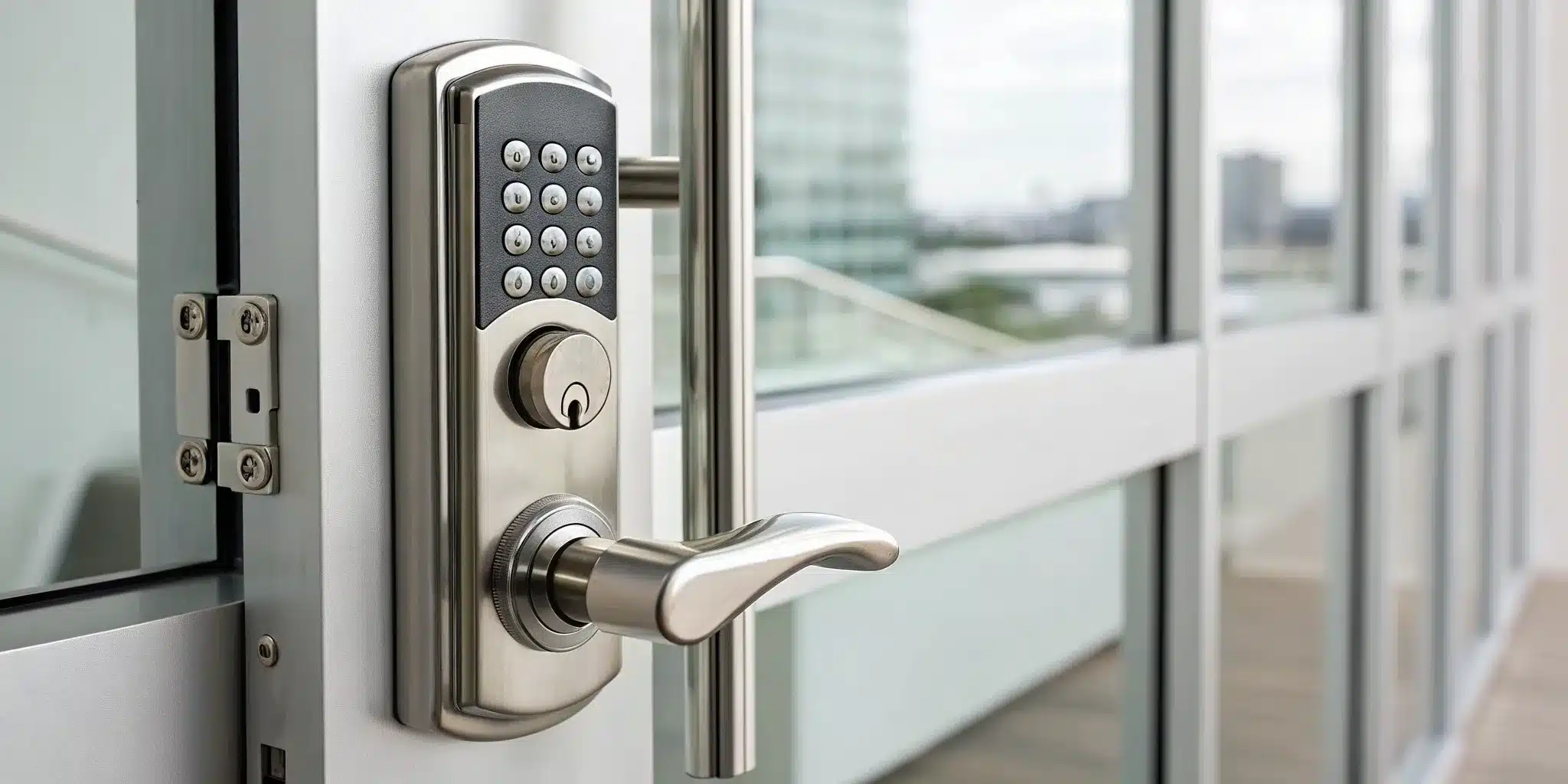
Your business’s front door does more than just welcome customers; it protects your assets, your employees, and your livelihood. In a high-traffic environment, you need a lock that can keep up, and Schlage has built its reputation on doing just that. But even the most durable hardware requires maintenance and occasional updates to remain effective. A proactive Schlage commercial lock change is a critical step in maintaining a secure perimeter, especially after staffing changes or a lost key. Here, we’ll explore the key considerations for this process, ensuring your property’s security is never compromised and your peace of mind stays intact.
Key Takeaways
- Match the lock grade to its location: Use high-security Grade 1 Schlage locks for exterior doors and critical areas, and durable Grade 2 locks for less-trafficked interior doors to balance security and cost.
- DIY lock changes demand precision: To rekey or replace a Schlage lock cylinder yourself, you need specific tools and must follow each step carefully. A small error can lead to a malfunctioning lock and a major security risk.
- Call a professional for complex or urgent needs: For tasks like integrating access control systems, handling emergency lockouts, or ensuring a lock is installed perfectly, a professional locksmith guarantees the job is done right.
What Sets Schlage Commercial Locks Apart?
When you’re securing your business, you need hardware that’s tough, reliable, and built to last. Schlage has earned its reputation as a leader in the security industry for good reason. Their commercial locks are a go-to choice for businesses across New York City, from bustling retail shops in Manhattan to office buildings in Brooklyn. What makes them stand out is a powerful combination of sheer durability, advanced security technology, and a clear system for matching the right lock to your specific needs.
Choosing the right lock isn’t just about picking one off the shelf; it’s about understanding how it will perform day in and day out. Schlage designs its products with the demands of a commercial environment in mind, ensuring they can handle high traffic and provide consistent protection. Whether you’re upgrading your current system or installing locks on a new property, understanding these key features will help you see why Schlage is a name that security professionals trust. Our team of commercial locksmiths frequently recommends and installs Schlage for clients who prioritize long-term security and performance.
Designed for High-Traffic Areas
Think about the main entrance to your business—how many times does that door open and close each day? Schlage commercial locks are specifically engineered to withstand the constant wear and tear of high-traffic environments. They are built from heavy-duty materials that resist damage and maintain their integrity over hundreds of thousands of uses. This durability is crucial for main entryways, employee access points, and any door that sees frequent use. When selecting a lock, it’s important to consider the door’s location and how often it’s used. A robust Schlage lock ensures you won’t be dealing with frequent repairs or replacements, saving you time and money in the long run.
Advanced Security Features
Schlage is a brand synonymous with trust. In fact, it was named America’s Most Trusted® lock brand by Lifestory Research, a testament to its long-standing commitment to security. This trust is built on a foundation of advanced security features designed to protect your property. From patented keyways that prevent unauthorized key duplication to pick-resistant and drill-resistant cylinders, Schlage locks offer multiple layers of defense. For businesses looking to integrate their locks into a larger security framework, many Schlage products are compatible with modern access control systems, allowing for keyless entry, activity monitoring, and remote management for even greater peace of mind.
Understanding Grade 1 vs. Grade 2 Durability
To help you choose the right level of security, commercial locks are rated by the American National Standards Institute (ANSI). Schlage offers locks in different grades, with Grade 1 being the highest certification available for commercial use. A Grade 1 lock is built to withstand up to 800,000 cycles, 10 strikes with a 75-pound hammer, and a significant amount of force. This makes it the ideal choice for exterior doors and high-security areas. Grade 2 locks are also very durable, rated for 400,000 cycles, and are a great option for less critical areas like interior office doors or storage closets. Understanding this grading helps you make an informed, cost-effective decision for every door on your property.
Your Toolkit for a Schlage Lock Change
Getting ready to change a Schlage commercial lock is a lot like prepping for a recipe—having all your ingredients and tools laid out first makes the whole process go smoothly. Whether you’re rekeying a lock or doing a full replacement, the right toolkit is essential for a secure and successful installation. Before you start unscrewing anything, take a moment to gather the necessary items. This simple step can save you from a mid-project run to the hardware store and ensure your business’s security isn’t compromised. Let’s walk through exactly what you’ll need to have on hand.
What’s in a Schlage Rekey Kit?
If your goal is to rekey the lock—meaning you want to change the key that operates it without replacing the entire lock mechanism—you’ll need a specific kit. A Schlage rekey kit is designed for this precise task. Inside, you’ll find specialized tools like a follower bar to hold pins in place, a key gauge for measuring, and a cylinder cap removal tool. It also includes the essential new pins and springs that will match your new key. Think of it as performing minor surgery on your lock. It’s a detailed process that requires focus, but the kit provides a clear map to guide you through each step of reconfiguring the lock cylinder.
Essential Tools for Removal and Installation
For a complete lock replacement, your tool list is a bit different and relies on more common hardware. You’ll definitely need a set of screwdrivers, including both Phillips head and flathead types, as they are crucial for removing the old hardware and securing the new lock. A tape measure is also handy to confirm your door’s measurements match the new lockset’s requirements. Before you begin, it’s a good idea to inspect the door itself. Proper door repair and installation is foundational to a secure lock; a misaligned door can prevent even the best lock from functioning correctly. Having these tools ready will make the physical act of swapping the locks much more efficient.
Safety Gear and Preparation
Don’t overlook personal safety when working on any hardware project. A good pair of work gloves will protect your hands from sharp metal edges, and safety glasses are a must-have to shield your eyes from any small parts or springs that might pop out unexpectedly. It’s also smart to prepare your workspace. Make sure you have adequate lighting so you can see what you’re doing, and clear the area to avoid tripping or losing small components. If the lock is part of a larger security system or you feel at all uncertain about the process, remember that a professional commercial locksmith can handle the job quickly and safely, ensuring your property remains secure.
Changing the Programming Code on a Schlage Lock
If you manage a property or business, you know how important it is to control who has access. Changing the programming code on your Schlage lock is a fundamental security step, whether you’re dealing with employee turnover or just updating your protocols. It’s a straightforward process that puts you in charge of your building’s security. While it might seem technical, it’s really just a sequence of simple commands. For businesses in NYC looking to manage multiple access points, our commercial locksmith team can help streamline this process across all your locations. Let’s walk through the steps to get your code updated.
Enter Programming Mode
First things first, you need to tell the lock you’re about to make a change. You’ll do this by entering a series of commands on the keypad. Think of it as getting the lock’s attention. After you type in each command, you’ll press the star (*) key to confirm it. One crucial tip: be patient. Wait for the Schlage button light to stop flashing before you enter the next command. This little pause ensures the lock has processed your last entry and is ready for the next one. Rushing this step can cause the lock to misread your input, so take your time.
Set a New Five-Digit Code
Once you’re in programming mode, it’s time to set your new code. You’ll start by entering the lock’s default programming code, followed by the star () key. Next, press 7 and the star () key again. Now, you can enter the new five-digit code you’ve chosen, followed by the star () key. To make sure everything is correct, the lock will require you to enter your new code one more time and press the star () key to finalize it. This confirmation step is essential because it saves your new code and prevents accidental lockouts from a typo.
Test Your New Code
You’re almost done! After you’ve set the new programming code, you absolutely must test it. Don’t just walk away assuming it worked. Use the new code to operate the lock and confirm it functions exactly as it should. From this point on, this new five-digit code is what you’ll use for any future programming changes. If the code doesn’t work or you run into an issue, don’t panic. Our emergency locksmith services are available 24/7 to help you sort out any problems and ensure your property remains secure.
Removing and Replacing a Schlage Lock Cylinder
Sometimes, you don’t need to replace an entire lock to upgrade your security. Swapping out the lock cylinder can be a cost-effective way to issue new keys and ensure old ones no longer work, a common task for property managers and business owners. While it sounds technical, changing a Schlage lock cylinder is a straightforward process if you have the right tools and a bit of patience. It’s a fundamental skill for maintaining your property’s security.
However, precision is key. A small mistake can compromise the lock’s integrity or leave you with a door that won’t function properly. If you’re managing multiple entry points or integrating the lock into a larger security plan, the details matter even more. For businesses in NYC, maintaining robust entry points is a critical part of any commercial locksmith strategy. Let’s walk through the steps to get it done correctly.
Prep the Lock for Removal
Before you can take anything apart, you need to prepare the lock. Start by inserting the original key into the cylinder and turning it about a quarter-turn, as if you were unlocking the door. This specific position is crucial because it aligns the internal pins and allows the cylinder to be released from the lock housing. With the key turned, you’ll need a small, pointed tool or a dedicated lever removal tool to depress the retaining pin or clip. You can usually find this in a small hole on the side of the knob or lever. Once you press it in, you can gently pull the knob or lever off, giving you access to the cylinder.
Follow Proper Removal Techniques
Once the knob or lever is off, you can extract the cylinder. It’s important to handle this step carefully to avoid damaging the lock’s internal mechanism. Ensure you’re using compatible parts, especially the latch and chassis, as Schlage designs its components to work together seamlessly. Using the wrong part can lead to a lock that doesn’t function or, worse, fails when you need it most. Also, check that the edge bore hole—the large hole on the edge of the door where the latch sits—is drilled straight. A misaligned hole can cause the entire lock to bind. If you suspect an issue with the door itself, professional door repair and installation might be necessary.
Install and Secure the New Cylinder
With the old cylinder out, you’re ready to install the new one. If you’re rekeying the existing cylinder instead of replacing it, a Schlage rekeying kit is your best friend. These kits typically include a follower bar, a cylinder cap removal tool, and all the new pins and springs you’ll need. Carefully follow the kit’s instructions to load the new pins according to your new key. Once the new cylinder is ready, simply slide it back into the lock housing, reattach the knob or lever until it clicks into place, and test the key. The lock should turn smoothly and operate without any resistance. If it feels stiff or gets stuck, it’s best to call for help rather than force it.
The Complete Rekeying Process for a Schlage Lock
Rekeying a lock is a fantastic way to update your security without replacing the entire hardware. It involves changing the internal pins of the lock cylinder so that it works with a new key. This process is perfect for new homeowners, landlords managing tenant turnover, or anyone who has lost a key. While it’s a detailed process, understanding the steps can help you decide whether to tackle it yourself or call in a professional.
Safely Disassemble the Lock
The first step is to carefully take the lock apart. To do this correctly without damaging any components, you’ll need a Schlage-specific rekeying kit. These kits are essential because they come with specialized tools you won’t find in a standard toolbox, like a follower bar, a key gauge, and a cylinder cap removal tool. The kit also includes the new pins and springs you’ll need for the new key. Using the wrong tools can easily scratch or bend the delicate internal parts, potentially ruining the lock. Think of it as performing a small, precise operation—having the right equipment is non-negotiable for a successful outcome.
Identify Pin Configurations
Once the lock cylinder is disassembled, it’s time to match the new pins to your new key. Take a look at your new key; it should have a series of numbers on it, which is its “key cut number.” Your rekeying kit will include a chart or map that helps you translate these numbers into the correct pin combination. Each number corresponds to a specific colored pin in your kit. This step requires careful attention to detail. Selecting the wrong pins will prevent the new key from working and could make it impossible to reassemble the lock correctly, compromising your residential locksmith security.
Install New Pins and Springs
With the old pins removed, you can now install the new springs and pins into the cylinder. Place the new pins into their designated slots according to the configuration you identified in the previous step. The goal is to have all the pins sit perfectly flush with the top of the cylinder when the new key is inserted. If any of the pins stick out or are too low, it means you’ve used the wrong size. This alignment is what allows the key to turn smoothly. Double-check each pin before you move on to reassembling the lock—patience here will save you a lot of frustration later.
Common Rekeying Mistakes to Avoid
While rekeying a lock yourself can seem straightforward, it’s a delicate task where small mistakes can create big security problems. Using the wrong pin, damaging the cylinder during disassembly, or failing to reassemble it correctly can leave your property vulnerable. An improperly rekeyed lock might not function reliably or, worse, could be easily bypassed. For something as important as the security of your business or home, ensuring the job is done right is critical. The safest way to guarantee your lock is rekeyed correctly is to call a trusted commercial locksmith. A professional has the experience to handle the process quickly and flawlessly, giving you complete peace of mind.
When to Call a Professional Locksmith
While tackling a home project yourself can be satisfying, your property’s security is one area where it’s often best to call in an expert. A simple lock change might seem straightforward, but mistakes can compromise your safety. Knowing when to put down the tools and pick up the phone is key. Certain situations, from complex installations to urgent emergencies, require the precision and experience that only a professional locksmith can provide. It’s about ensuring the job is done right the first time, giving you total peace of mind.
Integrating Complex Access Control Systems
Modern security often goes beyond traditional locks and keys. For businesses, integrating advanced security systems like keypads, card readers, and smart locks requires specialized knowledge. For example, many new Schlage locks are mobile-enabled and designed to work with HID smart cards and other next-generation technologies. A professional locksmith understands the intricate wiring, software, and compatibility issues involved. They can ensure your system is installed correctly and functions seamlessly, providing a higher level of security that a simple DIY installation might not achieve. Trying to manage this yourself without the right expertise could lead to system failures and security gaps.
Addressing Safety and Security Risks
When you rekey or change a lock, the goal is to make your property more secure. However, a small mistake during the process can have the opposite effect. As security experts often point out, rekeying can be tricky, and if you do it wrong, your home or business might not be safe. An improperly installed lock could be easily bypassed, or worse, fail to lock at all. A professional commercial locksmith has the right tools and experience to guarantee the lock is installed correctly, the pins are set properly, and your space is truly secure. This eliminates the risk and uncertainty that comes with a DIY attempt.
Handling Emergency or Time-Sensitive Needs
There are times when you simply don’t have the luxury of learning on the job. If you’re locked out, have a broken key in the lock, or need an immediate lock change after a security incident, you need a fast and reliable solution. Learning proper locksmithing skills takes time and practice, often involving classes or even an apprenticeship. When you’re in a bind, you need an emergency locksmith who can resolve the issue quickly and efficiently. A professional can be there in minutes with all the necessary tools and expertise, saving you the stress and time of trying to figure it out yourself under pressure.
Related Articles
- Step-by-Step Schlage Lock Installation Instructions
- How To Choose Heavy-Duty Commercial Door Locks
- Smart Lock Installation Guide & Costs
- Broken Key In Lock Repair: A How-To Guide
- Integrating Security with Home Automation
- The Importance of a Home Inventory
Frequently Asked Questions
Should I rekey my Schlage lock or replace the whole thing? Rekeying is your best option when the lock itself is in good working condition, but you need to control who has access—for instance, after an employee leaves or you move into a new space. It’s a cost-effective way to get the security of a new key without the expense of new hardware. You should consider a full replacement if the lock is old, damaged, malfunctioning, or if you want to upgrade to a model with more advanced features, like a keypad or smart capabilities.
Do I really need a Grade 1 lock for my small office? It really depends on the door’s location. For your main entrance or any exterior door that sees a lot of daily use and is a primary security point, a Grade 1 lock is absolutely the right choice. Its superior durability is designed to handle high traffic and resist forced entry. For interior doors, like a private office or a supply closet that isn’t protecting high-value assets, a durable Grade 2 lock is often more than sufficient and can be a smart way to manage your budget.
What does a ‘patented keyway’ mean for my business’s security? A patented keyway is a significant security feature that prevents unauthorized key duplication. The unique design of the key and the lock cylinder is legally protected, meaning that copies can only be made by an authorized dealer with proper verification. This gives you tight control over how many keys exist for your property, preventing former employees or contractors from making copies at a local hardware store.
Is it really worth hiring a locksmith to rekey a lock if I can just buy a kit? While DIY kits are available, rekeying a lock requires precision. A small mistake, like using the wrong-sized pin or damaging the cylinder during disassembly, can compromise the lock and make it unreliable or easy to pick. Hiring a professional ensures the job is done correctly and efficiently, giving you confidence that your property is truly secure. For something as important as your business’s safety, the peace of mind is well worth the investment.
What should I do if I forget the programming code for my Schlage keypad lock? Losing your programming code can feel like a major problem, but don’t worry. The lock has a factory default code that can be used to reset it, which is typically found on a sticker on the back of the keypad assembly itself. This does require taking the lock off the door to access it. If you’re not comfortable disassembling the lock or if you run into any trouble, our emergency locksmiths are available 24/7 to help you regain access and set a new code without damaging your hardware.
Need professional help in NYC? Contact Golden Key Locksmith NYC for Manhattan Locksmith Services or Apartment Lockout Help. Available 24/7 across Manhattan and all NYC boroughs.