

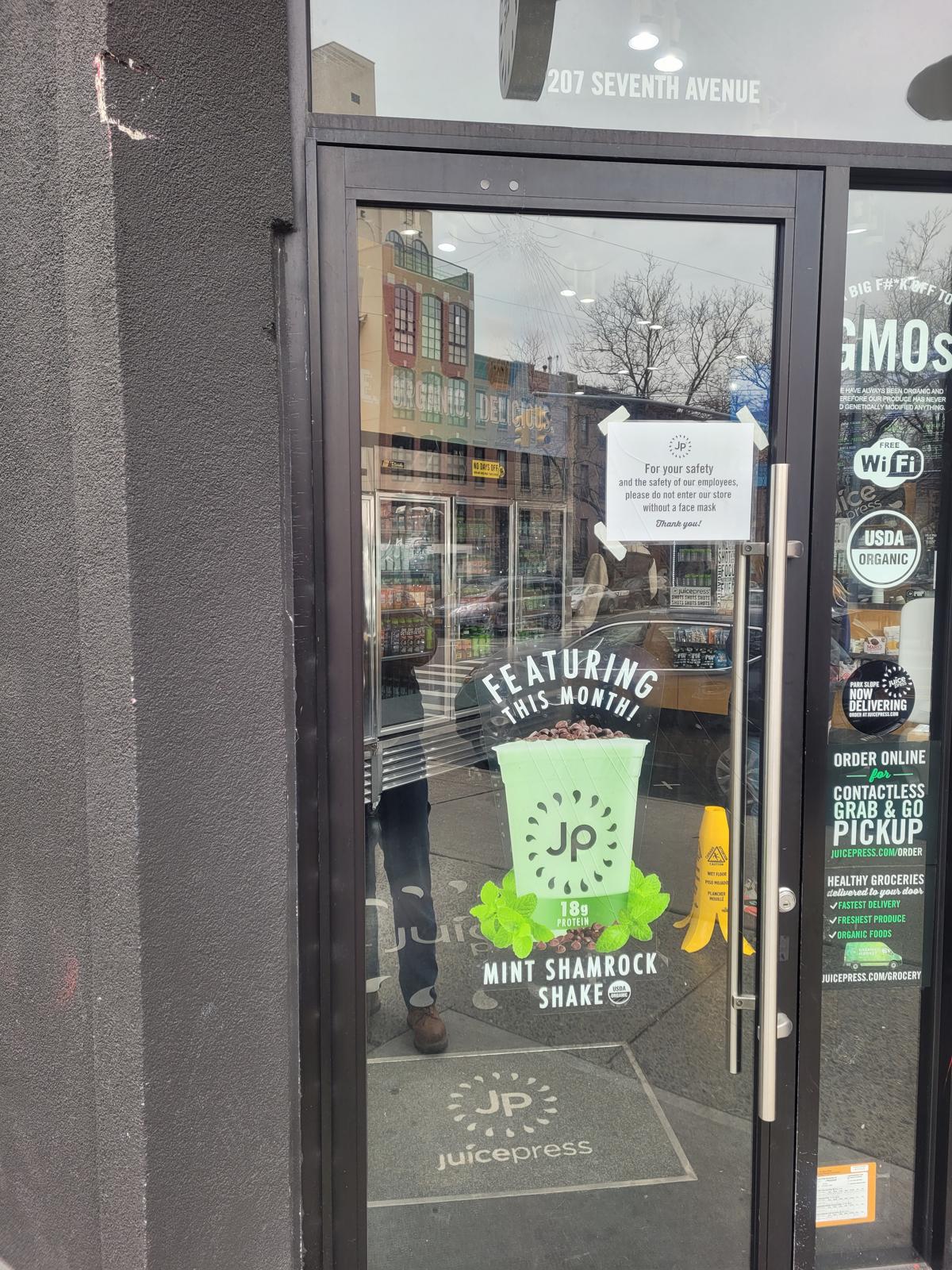
A storefront door does a lot more work than most NYC business owners give it credit for. It is the barrier between the sidewalk and everything you own, it sets the tone for customers walking in, and it quietly takes a beating from weather, deliveries, and the occasional attempted break-in. The honest answer to “how safe are storefront doors in NYC?” is that it depends entirely on the hardware behind the glass and who installed it. This guide walks through what actually keeps a storefront secure in the city, where most doors fall short, and how to tell when yours needs attention.
Key Takeaways
- The door is only as strong as its weakest part: A heavy glass door on a loose frame or a tired cylinder gives burglars an easy way in, no matter how expensive the hardware looks.
- NYC storefronts need commercial-grade hardware: Residential deadbolts and builder-grade cylinders are not built for the foot traffic, the forced-entry attempts, or the wear a city storefront sees every day.
- Security is a system, not a single lock: Strong locks, reinforced frames, laminated glass, and smart access control work together to protect your space, and a good commercial locksmith will plan them together.
How Safe Are Most NYC Storefront Doors?
The short answer is: safer than a residential door, but not as safe as owners assume. Most storefront doors in NYC were installed years ago with standard commercial hardware that has quietly aged past its useful life. The glass is usually fine. The frame is usually fine. The cylinder, the pivot, and the closer are where problems start, and those are the parts a burglar actually touches when they try to force an entry.
The Usual Weak Points
When we survey a storefront, the same issues show up over and over. The deadbolt is a generic off-the-shelf cylinder with no pick or drill resistance. The strike plate is held in with short screws that pop out the first time someone throws a shoulder into the door. The mortise lock is worn enough that the latch does not seat fully. None of these are visible from the sidewalk, and none of them are obvious until an attempt is made.
What Actually Stops a Forced Entry
Two things slow down a break-in: time and noise. Every upgrade you make to a storefront door is really an investment in buying more time and creating more noise before the door gives way. A high-security cylinder adds minutes. A reinforced strike and frame adds minutes. Laminated glass that holds together when it cracks adds even more. Stack those together and most opportunistic burglars give up and move on.
Locks and Cylinders That Belong on a Storefront
The lock is where almost every upgrade starts because it is the cheapest high-impact change you can make. Standard brass cylinders are easy to pick, easy to drill, and in some cases easy to bump. Commercial-grade high-security cylinders are a different category of hardware. They use angled pins, sidebars, and patented keyways that resist picking and drilling, and they come with restricted key control so nobody can walk into a hardware store and copy your key.
For most NYC storefronts, we recommend a layered setup:
- A high-security mortise or rim cylinder in the main door.
- A deadbolt with a hardened insert to resist drilling.
- A reinforced strike plate anchored with long screws into the stud or metal frame, not just the jamb.
- Key control so only authorized holders can make duplicates.
If your storefront sits on a high-traffic corner or stores high-value inventory, stepping up to a high-security lock with full key control is the single best change you can make.
Frames, Hinges, and the Parts Nobody Looks At
A lock is only as strong as the frame it lives in. We have seen brand-new high-security cylinders mounted in aluminum storefront frames so worn that the whole assembly moved when you pulled on the handle. That defeats the purpose. Before you spend money on new locks, make sure the frame, hinges, and strike are holding up.
What a Proper Frame Upgrade Looks Like
For most storefronts, reinforcing the frame means adding a steel wrap at the strike, replacing short hinge screws with three-inch screws into the substrate, and swapping standard hinges for security hinges with non-removable pins. It is not a glamorous upgrade, but it is what turns a kicked-in door from a five-second job into a five-minute job.
Glass and Daylight Panels
Storefront glass is a design requirement, not a security weakness, as long as you treat it correctly. Tempered glass holds together better than standard plate, laminated glass is tougher still, and security film applied to existing glass is a budget-friendly upgrade that keeps the pane intact even after it cracks. None of these make the door truly impenetrable, but they buy the same time and noise that deter most break-ins.
Access Control and After-Hours Security
Mechanical locks handle the front line, but modern storefronts benefit from electronic access control for day-to-day management. Keypads, fob readers, and smart locks let you give staff and vendors access without cutting more keys, and they give you a log of who came in and when. For a small shop, a single smart cylinder on the back door is often enough. For a larger retail space or multi-tenant commercial building, a full access control system tied into your alarm and camera setup is worth the investment.
Good access control also solves the quiet problem of turnover. When an employee leaves, you deactivate a credential in seconds instead of rekeying every door or hoping they return the key.
Maintenance: The Part Everyone Skips
Even the best storefront door will fail early if nobody touches it for five years. Closers drift out of adjustment and let the door sit cracked open. Latches wear and stop seating properly. Pivot hinges sag and drop the door against the threshold. All of that is normal wear, and all of it is preventable with an annual tune-up.
A quick maintenance visit usually covers:
- Adjusting the door closer so the door shuts fully and latches every time.
- Tightening hinges, pivots, and strike plates before they wallow out their screw holes.
- Lubricating cylinders and exit devices with the right dry lubricant.
- Checking the weatherstripping and sweeps for a proper seal.
Good maintenance also catches small problems before they turn into after-hours emergencies. A worn closer today is a door stuck open in the rain tomorrow.
When to Repair, Upgrade, or Replace
Not every tired storefront door needs to be torn out. If the frame is square, the glass is intact, and the hardware is salvageable, targeted upgrades will get you most of the way there. Swap the cylinders for high-security units, reinforce the strike, tune the closer, and you have a dramatically safer door for a fraction of a full replacement. Replacement becomes the right call when the frame is bent, the door has been damaged in a break-in, or the system is so outdated that every part is working against you.
When in doubt, have a licensed Manhattan locksmith walk the door with you and give you an honest assessment. A good tech will tell you when a $300 upgrade solves the problem and when it is time to plan for a new door.
Final Thoughts
Storefront door security in NYC is not about one fancy lock or one expensive door. It is about making sure every piece of the system, from the cylinder to the strike to the glass to the closer, is doing its job. Treat the door as a system, keep up with maintenance, and upgrade the weak links before a break-in forces the decision for you. That is how a storefront goes from looking secure to actually being secure.
Need professional help in NYC? Contact Golden Key Locksmith NYC for Manhattan Locksmith Services or Apartment Lockout Help. Available 24/7 across Manhattan and all NYC boroughs.