

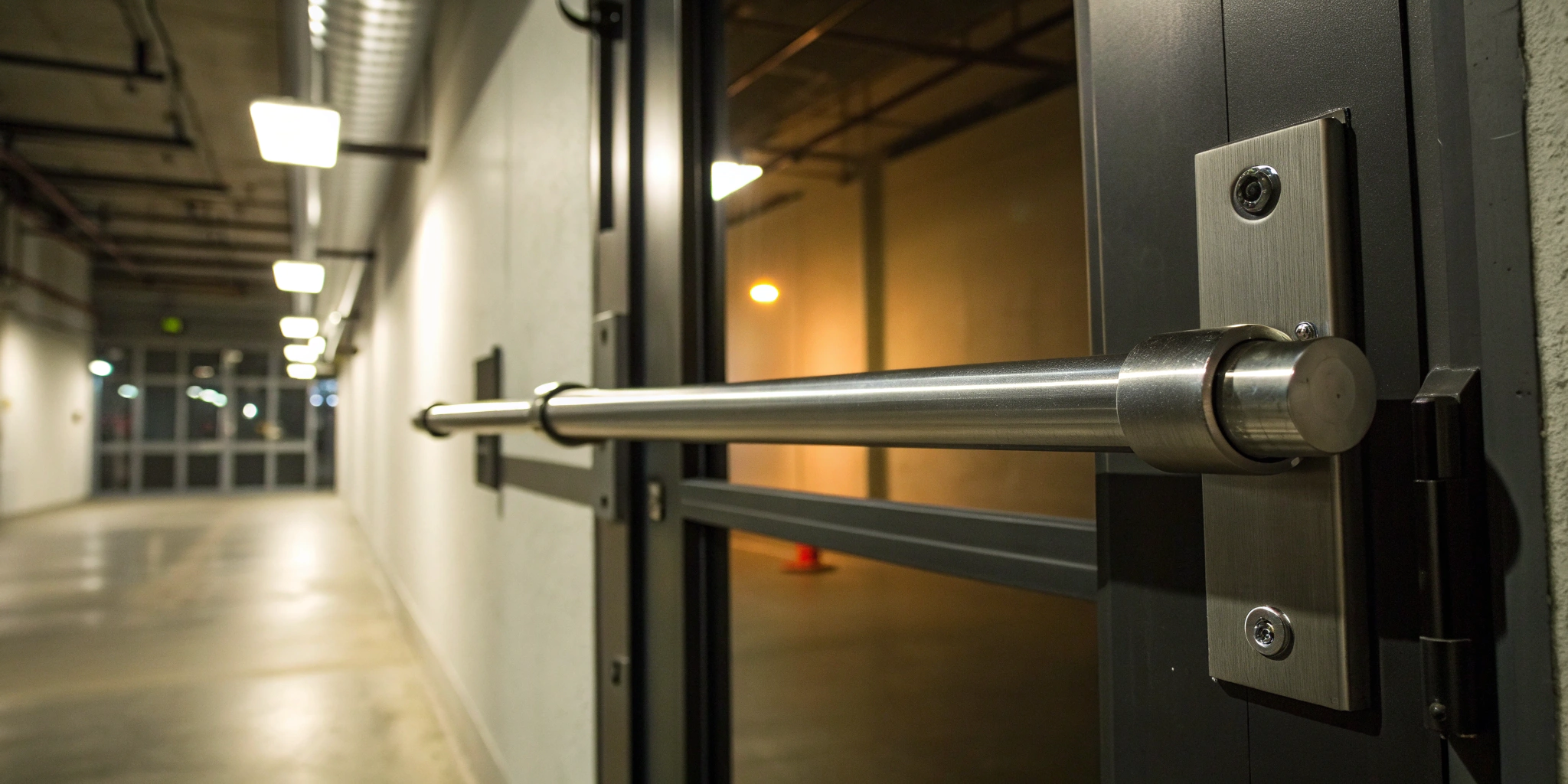
It’s a common scenario: a well-intentioned business owner decides to upgrade their building’s safety features, only to make a critical mistake during the process. When it comes to exit hardware, these small errors can have huge consequences. Choosing a non-rated device for a fire door, for example, can completely void the door’s ability to contain a fire. Likewise, misaligning the latch can create a security vulnerability or cause the door to jam during an evacuation. Before you begin, it’s vital to understand these risks. Properly installing panic bars for fire safety means getting every detail right, ensuring your hardware helps, not hinders, in an emergency.
Key Takeaways
- Know the Code for Safe Exits: Panic bars are a legal requirement for most commercial spaces designed for 50 or more people. They must be installed at a specific height (34-48 inches from the floor) to comply with ADA standards and ensure everyone can exit safely.
- Match the Hardware to the Door: You can’t install a panic bar on just any door. The hardware must be compatible with the door’s material and, crucially, must also be fire-rated if it’s being installed on a fire-rated door to maintain your building’s safety compliance.
- Prioritize Professional Installation and Upkeep: A panic bar is only reliable if installed and maintained correctly. Professional installation prevents critical errors like misalignment, while regular inspections ensure the hardware will function flawlessly during an emergency.
What is a Panic Bar and Why Does Your Building Need One?
If you’ve ever pushed a horizontal bar to exit a movie theater, school, or office building, you’ve used a panic bar. Also known as a crash bar or push bar, this device is a critical safety feature designed for fast and easy egress during an emergency. Instead of fumbling with a traditional doorknob or lever, you can simply push against the bar with your body to unlatch the door and open it. This simple, intuitive action can be a lifesaver when every second counts.
The primary reason your building needs a panic bar is simple: safety. In a fire or other emergency, panic can set in, and crowds can create dangerous bottlenecks at exits. Panic bars are designed to allow large groups of people to exit quickly and smoothly, reducing the risk of injury. They are an essential safety feature for any building where the public gathers, from commercial offices and retail stores to restaurants and event venues. Beyond the immediate safety benefits, installing the correct exit hardware is also a key part of complying with local fire codes and building regulations. For any business owner or property manager, ensuring your building is up to code isn’t just about avoiding fines—it’s about protecting the people inside. A qualified commercial locksmith can help you determine the right hardware to keep your property safe and compliant.
How Panic Bars Work in an Emergency
The genius of the panic bar is its simplicity. During an emergency, people aren’t thinking clearly, and fine motor skills can be compromised. These bars are designed to be opened with very little effort—a simple push is all it takes. This makes them accessible to everyone, including children, the elderly, and people with disabilities, who might struggle with a standard door handle. The mechanism is purely mechanical, releasing the latch as soon as pressure is applied. However, for this system to be reliable, it needs a professional installation. If a panic bar is installed incorrectly, it can fail at the worst possible moment, turning a critical exit into a dangerous trap.
Common Types of Panic Bars
While you might hear them called crash bars, push bars, or exit devices, they all serve the same fundamental purpose. You will almost always find panic bars installed on fire-rated doors. These aren’t your average doors; they are specially constructed to resist fire for a specific amount of time (e.g., 60 or 90 minutes). This construction helps contain a fire, slow the spread of smoke, and give occupants more precious time to evacuate the building safely. Pairing a panic bar with a fire-rated door creates a complete exit system that is both secure from the outside and easily accessible from the inside during an emergency.
Panic Bar Codes and Regulations You Need to Know
Installing a panic bar isn’t just a smart safety upgrade; it’s often a legal requirement. To keep your building safe and up to code, you need to follow specific rules set by national and local authorities. These regulations ensure that in an emergency, everyone can exit quickly and safely. Getting these details right is non-negotiable, as it directly impacts the well-being of everyone inside. Let’s walk through the key codes you need to be aware of.
International Building Code (IBC) Rules
The International Building Code (IBC) is one of the main sets of rules that dictates when a panic bar is necessary. The general rule of thumb is that you’ll need one on doors for any room or building designed to hold 50 or more people. Think of spaces like assembly halls, large restaurants, school auditoriums, or any area where a crowd gathers. The goal is to prevent a dangerous pile-up at the exit during an emergency. If your business falls into this category, ensuring your exit doors are properly equipped is a critical step for any commercial locksmith project.
NFPA 101 Life Safety Standards
The National Fire Protection Association (NFPA) 101 Life Safety Code provides another layer of essential guidelines. This code focuses on making sure the panic bar will actually work when you need it most. A poorly installed bar is just as dangerous as not having one at all. The NFPA has strict rules about how these devices must be installed to guarantee they function correctly under pressure. This isn’t a DIY project you want to tackle on a whim; proper door repair and installation by a professional ensures your hardware meets these life-saving standards.
ADA Accessibility and Height Requirements
For a panic bar to be effective, everyone has to be able to use it, which is where the Americans with Disabilities Act (ADA) comes in. ADA guidelines require panic bars to be installed between 34 and 48 inches from the finished floor. This specific height range ensures that the bar is accessible to people in wheelchairs and is easy for most adults and older children to reach and push. It’s a simple but vital detail that makes a huge difference in creating a truly safe exit path for every single person in your building.
Checking Local NYC Building Codes
While national codes like the IBC and NFPA provide a great foundation, they aren’t the final word—especially here in New York City. NYC has its own specific building codes that you must follow, and they can sometimes be more stringent than the national standards. It’s absolutely essential to make sure your installation complies with local regulations to pass inspections and, more importantly, to ensure maximum safety. The best way to do this is to work with a local emergency locksmith who understands the unique requirements of our city and can guarantee your panic bars are fully compliant.
Can You Install a Panic Bar on Any Door?
So, you’re thinking about adding a panic bar to an exit. It’s a smart move for safety, but it’s not quite as simple as picking one out and screwing it on. The short answer is no, you can’t install a panic bar on just any door. The door itself plays a huge role in whether the installation will be safe, effective, and up to code.
Several key factors determine if a door is right for a panic bar, including its material, its fire rating, and whether it’s a single or double door. Getting this right isn’t just about following rules; it’s about ensuring the exit works flawlessly when people need it most. A mismatched bar and door can fail during an emergency or even violate local building codes, leading to fines and safety hazards. That’s why it’s always best to work with a commercial locksmith who understands the specific requirements for NYC buildings. They can assess your doors and recommend the right hardware to keep your property safe and compliant.
The Importance of Fire-Rated Doors
You’ll often find panic bars on what are called “fire-rated doors.” These aren’t your average doors; they are specially constructed to resist and contain a fire for a set amount of time (like 60 or 90 minutes), giving everyone a safer window to evacuate. Pairing the right panic bar with a fire-rated door is a critical part of a building’s life safety plan.
Here’s the catch: you can’t just install any panic bar on a fire-rated door. The hardware itself must also be fire-rated. If you install a non-rated panic bar, you could void the door’s fire rating entirely, creating a dangerous weak point in your fire protection system. Professional door repair and installation services ensure that both the door and its hardware work together to meet strict fire safety standards.
Matching the Bar to Your Door’s Material
Panic bars are definitely not a one-size-fits-all solution. The type of door you have—whether it’s made of hollow metal, solid wood, or glass with an aluminum frame—dictates the kind of panic bar you need. For instance, a heavy steel door requires a durable, heavy-duty panic bar designed to handle its weight and usage. A glass door with a narrow frame, on the other hand, needs a specific type of bar that can be mounted securely on its slim stile.
Choosing the wrong type of hardware can lead to an improper fit, which might cause the latch to fail or the bar to loosen over time. It’s essential to match the device to the door’s material and construction to ensure it functions reliably for years to come.
Single vs. Double Door Installations
The complexity of installing a panic bar also changes depending on whether you have a single door or a pair of double doors. A single door installation is fairly straightforward. For double doors, however, the setup gets a bit more involved. To work correctly, double doors often require a panic bar system with vertical rods that latch at the top and bottom of the doorframe.
Many double door systems also need a special piece of hardware called a “coordinator.” This device ensures that the inactive door closes and latches before the active door does, creating a secure seal. Without it, the doors might not close in the right order, which could compromise both security and fire safety. This is another area where calling in a professional emergency locksmith can save you a lot of headaches.
How to Install a Panic Bar Correctly
Installing a panic bar might seem straightforward, but getting it right is crucial for safety and code compliance. A correctly installed bar ensures a smooth, quick exit during an emergency, while a faulty one can create a dangerous bottleneck. Following a clear process ensures the hardware functions exactly as it should when you need it most. Here’s a step-by-step guide to a proper panic bar installation.
Step 1: Plan and Assess the Door
Before you even pick up a tool, take a close look at the door itself. Panic bars are designed for specific types of doors, most commonly fire-rated ones. These doors are built to contain a fire for a set period, giving people more time to evacuate safely. Installing a panic bar on a door that isn’t fire-rated might violate building codes and compromise your building’s safety plan. You also need to check the door’s material—wood, metal, or glass—to ensure you have the right hardware for a secure fit. If you’re unsure about your door’s specifications, our door repair and installation experts can help you assess it.
Step 2: Get the Height and Position Right
Where you place the panic bar is just as important as how you attach it. According to safety standards, the push bar should be installed between 34 and 48 inches from the finished floor. This specific height range ensures it’s accessible to most people, including those in wheelchairs, complying with ADA requirements. Placing it too high or too low can make it difficult to use, especially for children or in a crowded, panicked situation. Always measure carefully from the floor to the center of the bar to ensure you hit that sweet spot for both safety and compliance.
Step 3: Mount and Align the Hardware
Once you’ve marked the correct height, it’s time to mount the hardware. This is where following the manufacturer’s instructions is non-negotiable. Each model has unique requirements for drilling, alignment, and fastening. Misaligning the latching mechanism or using the wrong screws can cause the bar to fail. If the unit you’re installing is over 10 years old or looks worn, it’s safer to replace it entirely. For a guaranteed secure and compliant installation, it’s always best to call a commercial locksmith who has the right tools and experience for the job.
Step 4: Test for Proper Function
After the panic bar is installed, you need to test it thoroughly. The bar should depress smoothly with minimal pressure, and the door should unlatch immediately without any sticking or catching. Open and close the door several times to make sure everything operates correctly. It’s also a good idea to set up a regular inspection schedule—at least once a year—to check for loose parts, rust, or any signs of wear. A malfunctioning panic bar can be a serious liability, so if you notice any issues, it’s important to get them addressed by a professional right away to avoid an emergency situation.
Common Installation Mistakes to Avoid
Installing a panic bar might seem like a straightforward hardware job, but getting it wrong can lead to serious safety hazards and failed inspections. Even small errors can prevent the device from working correctly during an emergency. As a business owner or property manager, you want to ensure your building is safe and up to code. Let’s walk through some of the most common installation mistakes so you know exactly what to watch out for and how to get it right the first time.
Placing the Bar at the Wrong Height
One of the most frequent and critical errors is installing the panic bar at the incorrect height. According to safety codes, the bar should be mounted between 34 and 48 inches from the finished floor. This specific range isn’t arbitrary; it ensures the bar is easily accessible to the average person, including individuals in wheelchairs, during a high-stress situation. Placing it too high or too low can make it difficult to operate, defeating its entire purpose. Always measure carefully before you drill, as this simple step is fundamental to both compliance and safety.
Misaligning the Hardware
Proper alignment is everything when it comes to panic bars. The push bar, latching mechanism, and the strike plate on the door frame must line up perfectly. If they’re even slightly off, the door may not latch securely when closed, creating a security risk. Worse, it could jam during an emergency, preventing a quick exit. This often happens when the installer doesn’t account for the door’s specific structure or rushes the process. If you notice a door is difficult to open or close after an installation, it’s a clear sign you need a professional door repair and installation service to correct the alignment.
Ignoring Fire-Rating Compliance
Not all panic bars are created equal, and this is especially true for fire doors. If your exit door is fire-rated, it absolutely must be equipped with fire-rated panic hardware. This hardware is specifically designed and tested to withstand high temperatures and maintain the door’s integrity during a fire. Using a standard, non-rated panic bar on a fire door voids its rating and violates building codes. A professional commercial locksmith will know how to identify the right hardware to ensure your building meets all fire safety regulations.
Skipping the Manufacturer’s Instructions
Every panic bar model comes with a set of detailed installation instructions for a reason. Different brands and types have unique mounting requirements and mechanisms. Attempting to install one based on a previous experience or a generic online video can lead to critical mistakes. The manufacturer’s guide provides the exact specifications for drilling, alignment, and testing. Following these instructions step-by-step is non-negotiable. If the instructions seem confusing or you feel unsure at any point, it’s always safer to call in a professional to handle the installation.
How to Maintain Your Panic Bars for Lasting Safety
Installing a panic bar is a huge step toward making your building safer, but the work doesn’t stop there. To ensure these devices function flawlessly during an emergency, they need regular attention. Think of it like any other critical safety feature—a little preventative care goes a long way in providing peace of mind. Consistent maintenance keeps the hardware in top shape, so it’s always ready when you need it most.
Set Up a Regular Inspection Schedule
The best way to catch small issues before they become big problems is to check your panic bars regularly. A quick monthly visual inspection is a great habit, with a more thorough check at least once a year. During these inspections, push the bar to make sure it moves smoothly and the latch engages without sticking. Look closely for any loose screws, signs of rust, or visible wear. If anything feels off, it’s a sign the hardware needs attention.
Keep the Hardware Clean and Lubricated
Over time, dust and grime can build up in a panic bar’s mechanism, causing it to stick. A simple wipe-down with a clean cloth can prevent this. For the internal components, periodic lubrication is key to smooth operation. Always check the manufacturer’s instructions for the right type of lubricant and how often to apply it. This simple upkeep ensures the panic bar works correctly when every second counts and can make a world of difference in an emergency.
Know When to Call a Professional Locksmith
While routine checks are manageable, some issues require an expert eye. If the door isn’t latching securely, the bar feels stiff, or you see significant rust or damage, it’s time to call for professional help. Attempting complex repairs yourself can lead to bigger problems or compromise the device’s safety compliance. A certified technician can diagnose the issue and perform the necessary door repair and installation to restore your panic bar to perfect working order, ensuring it meets all safety codes.
Teach Occupants How to Use Them Properly
A panic bar is only effective if people know how to use it. Make sure employees, tenants, and other occupants understand these bars are designed for easy, push-to-open emergency exits. A quick demonstration during safety briefings or onboarding can be incredibly helpful. It’s also important to establish rules against misusing the hardware, like propping the door open or blocking the exit path. When everyone understands their purpose, you create a safer environment for all.
Related Articles
- The 6-Step Balanced Door Hardware Installation Guide
- A Guide To Balanced Doors For Historic Buildings
- Commercial Door Services
- The Essential Panic Bar Troubleshooting Guide
Frequently Asked Questions
How often should my panic bars be professionally inspected? While you should give your panic bars a quick check yourself every month, it’s a smart move to have a professional locksmith inspect them at least once a year. A professional can spot subtle issues like internal wear or slight misalignment that you might miss. This annual check-up ensures your hardware is not only working smoothly but also remains fully compliant with safety codes.
Can I add an alarm to my panic bar for extra security? Absolutely, and it’s a great idea for controlling unauthorized exits without compromising safety. These are often called alarmed exit devices, and they sound a loud alert whenever the bar is pushed. This is perfect for preventing theft or simply monitoring when a secure door is opened. A professional can help you choose and install a system that integrates seamlessly with your existing doors and security setup.
My building is older. Do I still need to install panic bars to meet current codes? This is a common question, especially in a city like New York. Generally, code requirements for features like panic bars are triggered when a building undergoes major renovations, changes its use (like from storage to a retail shop), or if the occupancy load changes. However, because safety regulations are always evolving, it’s essential to have your property assessed by an expert who is familiar with specific NYC building codes to know for sure what’s required for your space.
What’s the real difference between a fire-rated panic bar and a non-rated one? The key difference is how they perform under extreme heat. A fire-rated panic bar is constructed with materials that can withstand a fire for a specific amount of time without melting or failing. This ensures that the fire door it’s attached to remains sealed and can effectively contain a fire. Using a non-rated bar on a fire door creates a critical weak point that could allow a fire to spread, which is why matching the hardware to the door is so important.
Why can’t I just install a panic bar myself? While it might seem like a simple hardware installation, the stakes are incredibly high. A panic bar has to work perfectly every single time. Professional installation ensures the device is aligned with absolute precision, meets strict ADA height requirements, and complies with all local fire and building codes. A small mistake in alignment or using the wrong fastener could cause it to jam in an emergency, turning a vital exit into a dangerous trap. It’s a job where expertise truly matters.
Need professional help in NYC? Contact Golden Key Locksmith NYC for Metal Door Installation or Sliding Door Services. Available 24/7 across Manhattan and all NYC boroughs.