

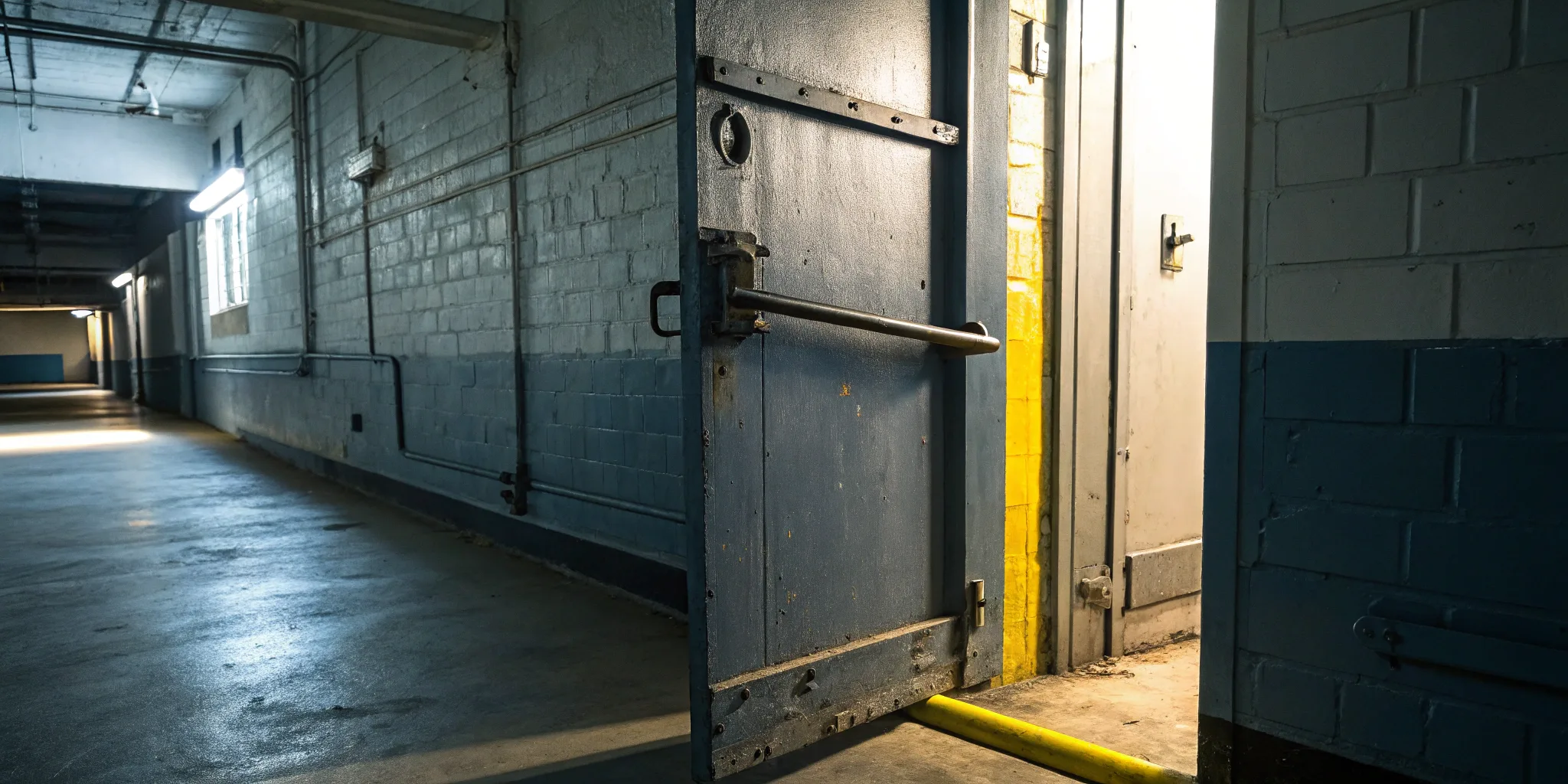
That grinding noise every time someone pushes the exit door? Or the way the door doesn’t quite latch unless you give it an extra pull? These are the small, everyday issues that are easy to ignore until they become big, expensive problems. A faulty panic bar can compromise your building’s security and, more importantly, its safety. But before you assume the worst, many of these common glitches have surprisingly simple solutions. We’ve put together this practical panic bar troubleshooting guide to help you diagnose what’s going on with your hardware. We’ll cover everything from simple alignment checks to identifying when a worn-out part needs professional attention from an emergency locksmith.
Key Takeaways
- Routine Maintenance is Non-Negotiable: A simple monthly check of your panic bar—testing the push mechanism, tightening screws, and lubricating parts—is the best way to prevent unexpected failures and ensure it functions correctly when needed most.
- Listen to Your Hardware’s Warning Signs: Don’t ignore issues like a sticky bar, a door that won’t latch, or strange noises. These are early indicators of wear and tear that, if addressed quickly, can save you from a more serious security or safety problem.
- Know When to Call a Professional: While DIY checks are useful, complex repairs, internal damage, and ensuring fire code compliance are jobs for an expert. A professional locksmith guarantees the repair is done safely and correctly, protecting your business from liability.
What is a Panic Bar and How Does It Work?
If you’ve ever pushed a horizontal bar on a door to exit a movie theater, school, or office building, you’ve used a panic bar. Also known as a crash bar or exit device, its job is simple but critical: to provide a fast and foolproof way for people to get out of a building during an emergency. Unlike a traditional doorknob or handle that requires twisting, a panic bar unlatches the door with a simple push. This design is essential for public spaces, ensuring that anyone, even in a state of panic or in a large crowd, can open an exit door without fumbling with a complex lock.
These devices are a cornerstone of building safety codes and a key part of any commercial locksmith service. They are designed to keep a building secure from the outside while guaranteeing a clear path to safety for everyone inside. The mechanism is built for durability and reliability, because when it’s needed, it absolutely has to work. That’s why proper installation and ongoing maintenance are so important—they ensure these life-saving devices function correctly when it matters most. For business owners, understanding how they work is the first step in keeping your property safe and compliant.
The Key Parts of a Panic Bar
A panic bar is a complete system that replaces the standard interior door handle. The most visible part is the horizontal bar or touchpad that you push. Inside the door, this bar connects to a latching mechanism. When you apply pressure to the bar, it retracts the latch from the door frame, allowing the door to swing open. This setup ensures the door remains securely locked from the outside to prevent unauthorized entry, but it always allows for a quick exit from the inside. It’s a one-way system designed entirely around safety and ease of use.
How It Functions in an Emergency
In an emergency, every second counts. The beauty of a panic bar is its intuitive operation. There’s no need to think—you just push. When a person pushes the bar, the internal mechanism immediately releases the latch, and the door opens. This is crucial in situations where smoke might obscure vision or a crowd is pressing forward. The wide bar is easy to find and operate by simply leaning or pushing against it with any part of your body. This straightforward function is why panic bars are legally required for many commercial and public buildings as part of their fire safety and door installation standards.
Common Panic Bar Problems to Watch For
Panic bars are built to be durable, but they aren’t invincible. Daily use, building shifts, and simple wear and tear can lead to problems that compromise both safety and security. The good news is that most panic bars give you warning signs before they fail completely. Knowing what to look for is the first step in preventing a small issue from becoming a major liability. If you notice any of these common problems, it’s a clear signal that your exit device needs attention. Catching these issues early can save you from dealing with a security breach or a failed safety inspection down the road.
The Bar Won’t Spring Back
You push the panic bar, the door opens, but the bar stays pressed in instead of returning to its original position. This is a classic sign of a mechanical issue. When the bar doesn’t spring back, it often means the internal mechanism is jammed, worn out, or broken. This is more than just an annoyance; it can prevent the door from closing and latching properly, leaving your building vulnerable. In an emergency, a malfunctioning bar could fail to operate correctly. If you notice the push pad feeling sluggish or getting stuck, it’s time to have a professional take a look before it fails completely.
The Latch Fails to Catch
A panic bar’s main job is to retract the latch so the door can open. Its other critical job is to allow that latch to engage securely when the door closes. If the latch fails to catch in the doorframe’s strike plate, your door isn’t locked. You might hear the door click, but a simple push could open it right back up. This creates a significant security risk and is a common reason for failing a fire safety inspection. A reliable commercial locksmith can diagnose whether the issue is with the latch mechanism itself, the alignment, or another component, ensuring your exit is secure.
The Door Won’t Latch Securely
This problem is slightly different from a latch that won’t catch at all. Here, the door might seem to latch, but it’s not secure. It might rattle in the frame or pop open with minimal pressure. This often happens when parts become worn or misaligned over time. An insecurely latched door not only compromises your building’s security but can also be a safety hazard in high winds or other situations. Regularly testing your exit doors by giving them a firm push after they close is a simple way to check if they are latching as securely as they should be.
Hearing Grinding or Squeaking Noises
Your panic bar should operate smoothly and quietly. If you start hearing grinding, squeaking, or scraping sounds when the bar is pushed, consider it an early warning sign. These noises usually indicate that internal components are rubbing together, need lubrication, or are beginning to fail. Ignoring these sounds is a gamble, as the friction can cause parts to wear down faster, leading to a more serious and expensive repair. A quick service call to lubricate and adjust the mechanism can often resolve the issue and extend the life of your hardware.
The Door is Misaligned
Sometimes the problem isn’t with the panic bar at all, but with the door itself. If a door sags on its hinges or the frame shifts, the panic bar’s latch bolt may no longer line up correctly with the strike plate on the frame. This misalignment can prevent the door from latching and securing properly. You might notice the door is difficult to close or that the latch scrapes the strike plate. This is a common issue in buildings of all ages and often requires professional door repair and installation to correct the alignment and ensure the panic hardware can function as designed.
How to Troubleshoot Your Panic Bar
When a panic bar starts acting up, it can be a major headache and a serious safety concern. Before you pick up the phone, there are a few simple diagnostic steps you can take to identify the problem. Often, a minor adjustment is all that’s needed to get your exit door working smoothly again. Walking through these checks can help you pinpoint the issue and decide if it’s a quick fix or a job for a professional.
Your Step-by-Step Diagnostic Checklist
Ready to figure out what’s going on with your panic bar? Follow this checklist to inspect the most common culprits. Start with the simplest tests and work your way through the hardware. This process will help you isolate the problem, whether it’s a mechanical issue, a loose part, or an electrical fault. Let’s get started.
Test the Push Mechanism and Latch
Start with the most basic function. Press the panic bar—does it move smoothly and return to its original position without sticking? When you let the door close, does it latch properly? You might notice the bar doesn’t spring back after being pushed or the door fails to latch securely. This often points to a problem with the internal springs or the latch bolt itself. A sticky mechanism can be a sign of debris buildup or a need for lubrication, while a failure to latch could mean the strike plate on the door frame is misaligned.
Check Hardware for Tightness and Alignment
Give the entire panic bar a gentle shake. If it feels loose or wobbly, the constant use may have loosened some screws. Take a moment to make sure the panic bar is level and installed correctly. Grab a screwdriver and tighten any loose hardware you find on the bar itself and its endcaps. If the bar is crooked, it can prevent the latch from aligning with the strike plate. This is a simple fix that solves many common issues, but if the door itself is sagging, you might need professional door repair to address the root cause.
Inspect the Dogging Mechanism
The “dogging” feature holds the latch open, which is useful for high-traffic times when you want the door to function without latching. If the panic bar is noisy or the latch won’t stay open when you try to dog it, check if this part is straight and oiled. The dogging mechanism is usually a small hex screw or a cylinder you turn with a key. If it’s bent, stripped, or gummed up with dirt, it won’t work correctly. A little bit of lubricant can sometimes solve the problem, but a damaged mechanism might need to be replaced.
Verify Power for Electric Systems
If your panic bar is part of an access control system, it has electrical components that can be tied to alarms or automatic unlocking schedules. If your electric panic bar isn’t working, the first step is to check the power source. Make sure the power is connected correctly and has the proper voltage. Sometimes, the issue is as simple as a tripped breaker or a loose wire. However, if the power supply itself has failed, it will need to be replaced. Since this involves wiring, it’s wise to call a professional commercial locksmith who understands these systems.
Essential Maintenance for Your Panic Bar
A panic bar is one of those things you hope you never have to use, but when you do, it needs to work flawlessly. Consistent maintenance is the key to ensuring your exit devices are always ready for an emergency and secure during business hours. A little proactive care can prevent major headaches, keep your building compliant with safety codes, and most importantly, protect the people inside. Think of it as a simple safety check-up for one of your building’s most important features. For any complex issues, our commercial locksmith services are always available to help keep your hardware in top shape.
Test Functionality Regularly
Your panic bar is your building’s lifeline in an emergency, providing a quick and easy exit. That’s why you should test it regularly—at least once a month. Simply push the bar and confirm the door unlatches smoothly and opens without any struggle. Then, let the door close and check that it latches securely. This simple test ensures your system is ready for safe, easy egress when it matters most. Regular checks not only give you peace of mind but also help you stay compliant with local building and fire safety codes, which are non-negotiable for any commercial property.
Lubricate Moving Components
Is your panic bar getting sticky, slow to respond, or making a squeaking sound? Before you worry, a little lubricant might be all it needs. Over time, dust and grime can build up in the mechanism, causing friction. First, wipe down the latch and strike plate to remove any debris. Then, as experts suggest, spray a quality lubricant like a silicone-based spray into the moving parts of the mechanism. This simple step can restore smooth operation and extend the life of your hardware, preventing minor annoyances from turning into major problems.
Inspect and Tighten Hardware
A loose or wobbly panic bar is more than just an inconvenience; it’s a safety hazard and a security risk. As part of your routine checks, give the bar a gentle shake to see if it feels loose. If it does, it’s time to grab a screwdriver. Check all the visible screws that hold the bar to the door, including those under the end caps. Tighten any loose screws to ensure the entire unit is securely fastened. This quick fix helps maintain the integrity of the device, ensuring it can withstand the force of an emergency push without failing.
Schedule Professional Maintenance
While DIY checks are fantastic for catching basic issues, they can’t replace a professional’s trained eye. Scheduling an annual inspection with a qualified locksmith is a smart move. A professional can perform a more thorough assessment, identify wear and tear on internal components, and ensure your hardware is perfectly aligned and compliant with all current safety regulations. Regular check-ups by a professional can prevent unexpected failures and keep your building safe. If you want to be certain your exit devices are in perfect working order, our team can provide expert door repair and installation services.
When to Call a Professional Locksmith
While a little DIY spirit is great for basic maintenance, some panic bar issues are best left to the professionals. Knowing when to put down the screwdriver and pick up the phone can save you time, prevent further damage, and ensure the safety of everyone in your building. If you encounter a problem that goes beyond a simple adjustment, or if you’re just not comfortable tackling the repair yourself, it’s always the right call to bring in an expert. A professional locksmith has the specific tools, replacement parts, and experience to handle complex mechanisms and ensure everything is up to code. Think of it as an investment in safety, security, and your own peace of mind.
For Code Compliance and Fire Safety
Panic bars aren’t just for convenience; they are critical safety devices regulated by strict fire codes. As one expert notes, “Panic bars… and commercial-grade door locks are essential for allowing safe, easy egress in emergencies.” A malfunctioning bar can prevent a swift exit and lead to hefty fines from fire inspectors. The regulations can be complex, but a professional commercial locksmith is well-versed in local NYC building and fire codes. They can ensure your exit hardware is not only working perfectly but is also fully compliant, protecting both the people in your building and your business itself.
When You See Internal Damage
If you take a look inside the mechanism and spot something that’s obviously broken, it’s a clear sign to call for help. Visible damage like snapped springs or sheared metal pieces inside the lock mechanism isn’t something a simple adjustment can fix. According to one industry source, “If you see broken springs or metal pieces inside the lock, you’ll likely need a professional to replace them.” Attempting to force the mechanism or piece it back together can cause more extensive damage. A professional has access to the correct parts and the expertise to install them safely, restoring your panic bar’s function without compromising its integrity.
If DIY Fixes Aren’t Working
You’ve tightened the screws, cleaned the latch, and checked the alignment, but the panic bar still isn’t working correctly. When your best troubleshooting efforts don’t solve the problem, it’s time to bring in a professional. It’s often more efficient to call a trained technician who can quickly diagnose and fix the issue. They have seen it all and can often spot a subtle problem that an untrained eye would miss. Continuing to tinker with a persistent issue can sometimes make it worse, so don’t hesitate to get an expert opinion when you’re stuck.
To Protect Your Business from Liability
For any business or commercial property owner, a functioning panic bar is a non-negotiable part of your responsibility. A faulty exit device is more than just an operational headache; “If a panic bar doesn’t work right, it’s a serious safety risk and can lead to big fines from fire inspectors.” In the event of an emergency, a door that fails to open could have tragic consequences, exposing your business to significant legal and financial liability. Investing in professional repairs ensures your equipment is reliable, keeping your employees and customers safe and protecting your business from preventable risks.
How to Prevent Future Panic Bar Issues
Dealing with a broken panic bar is a headache, but the good news is that you can avoid most major issues with a little foresight. Instead of waiting for a problem to disrupt your business or compromise your building’s safety, you can take a few simple, proactive steps. Keeping your exit hardware in top shape isn’t just about following rules; it’s about ensuring a safe exit for everyone and keeping your property secure after hours. These devices are essential for allowing a quick, safe escape in an emergency, so their reliability is non-negotiable.
The best strategy is a three-part approach: making sure your team uses the hardware correctly, sticking to a regular maintenance schedule, and performing routine inspections to catch problems early. Think of it as preventative care for your doors. A small investment of time and attention now can save you from costly repairs and stressful emergencies down the road. By building these habits, you can extend the life of your hardware and maintain a secure environment. If you need help setting up a plan or want a professional assessment, our commercial locksmith team is always ready to assist businesses across Manhattan, Brooklyn, and Queens.
Ensure Proper Use and Training
One of the most common reasons panic bars fail is simply from misuse. While they are built to be durable, they aren’t indestructible. Things like propping the door open with the bar, slamming the door, or hanging items on the mechanism can cause unnecessary wear and tear. A great first step is to train your staff on the correct way to operate the doors.
A quick team meeting or a simple memo can make a huge difference. Explain that the panic bar is a critical safety device designed for easy exit during emergencies. Gentle, everyday use will ensure it functions correctly when you need it most. This simple, no-cost action helps prevent accidental damage and ensures your exit doors remain both secure and accessible.
Create a Proactive Maintenance Plan
Waiting for a panic bar to break is a reactive approach that can lead to bigger problems, including safety risks and code violations. A much better strategy is to create a proactive maintenance plan. This involves regularly testing your exit devices to make sure they are working smoothly and are compliant with local building codes. A simple monthly check can help you spot developing issues.
For a more thorough approach, consider scheduling an annual service with a professional. A technician who understands both the mechanical and electronic parts of modern exit systems can perform adjustments, lubricate components, and identify wear before it leads to failure. This professional oversight is key to preventing future issues and keeping your door hardware in perfect working order.
Conduct Regular Safety Inspections
You don’t have to be a locksmith to spot the early warning signs of a failing panic bar. Regular visual inspections can help you identify potential problems before they become critical. Once a month, take a moment to check the exit doors. Is the bar loose? Are there any missing screws? Does the door latch securely without needing an extra push or pull?
Listen for any grinding or squeaking sounds when you press the bar, as this often indicates internal parts need lubrication or repair. If you notice anything out of the ordinary, don’t wait for it to fail at the worst possible time. Addressing small issues right away is the most effective way to prevent a sudden lockout or a safety hazard. If a problem seems urgent, calling an emergency locksmith can provide a quick resolution.
Related Articles
- The 6-Step Balanced Door Hardware Installation Guide
- A Guide To Balanced Doors For Historic Buildings
- Commercial Door Services
- How to Install a Push Bar Door Lock Mechanism
Frequently Asked Questions
Are panic bars legally required for my business in NYC? In many cases, yes. New York City has specific building and fire codes that mandate panic bars, especially for buildings with high occupancy like schools, theaters, restaurants, and large retail stores. The rules depend on the size of your space and how it’s used. A professional commercial locksmith can assess your property to ensure you meet all local regulations, which is crucial for passing inspections and keeping everyone safe.
How often should I actually be testing my panic bars? A quick check should be part of your weekly routine. Just give the bar a push to make sure the door opens smoothly and then check that it latches securely when it closes. A more thorough monthly inspection, where you also check for loose screws and listen for unusual noises, is a great habit to get into. This consistency helps you catch small issues before they become serious problems.
Can I just use WD-40 to lubricate a sticky panic bar? It’s best to avoid it. While WD-40 is great for many things, it can attract dust and grime over time, which can eventually gum up the delicate internal mechanisms of a panic bar. A silicone-based spray is a much better choice because it lubricates the moving parts without leaving a sticky residue.
My panic bar door won’t close all the way. Is the problem the bar or the door? This is a common issue, and it’s often caused by the door itself being misaligned. Over time, buildings can settle or door hinges can wear down, causing the door to sag. This prevents the latch on the panic bar from lining up correctly with the strike plate on the frame. While the problem shows up in the panic bar’s function, the root cause usually requires a door repair to fix the alignment.
What does it mean to “dog” a panic bar? “Dogging” the panic bar simply means locking the latch in the open position. This allows the door to swing freely without latching, which is useful during high-traffic hours when you want people to move in and out easily. The feature is typically engaged with a small key or hex tool, but it’s important to remember to release it at the end of the day to secure the building.
Need professional help in NYC? Contact Golden Key Locksmith NYC for Metal Door Repair. Available 24/7 across Manhattan and all NYC boroughs.