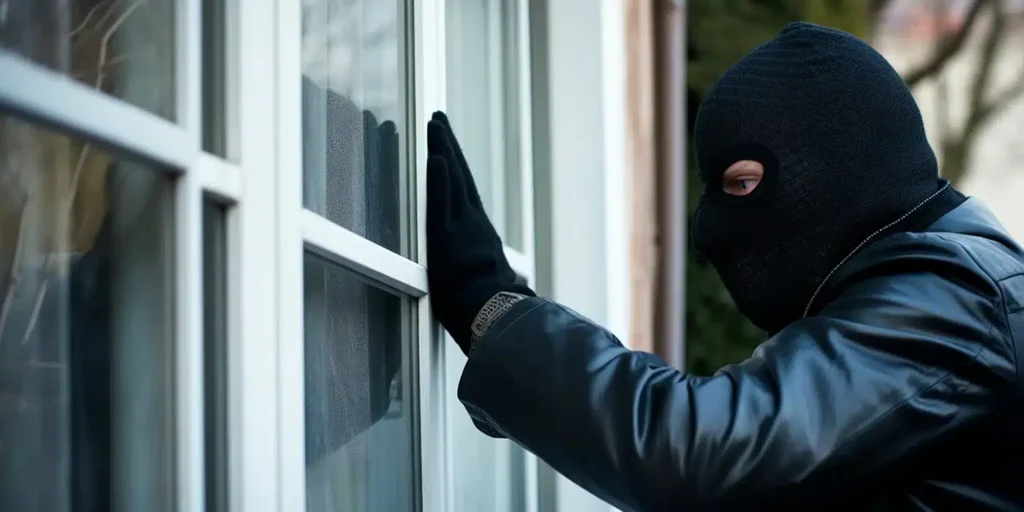
Most people put a lot of thought into their front door and forget the windows completely. That is exactly what a burglar is counting on. In a city full of brownstones, walk-ups, and ground-floor apartments, a window is often the fastest way into a home, and the cheapest to exploit. This guide walks through how to spot the weak points, which upgrades are actually worth the money, and where a quick DIY fix is enough versus when you should bring in a pro.
Key Takeaways
- Windows are the soft spot: Doors get the attention, but ground-floor and fire-escape windows are the entry point burglars actually prefer because they are faster and quieter.
- Layering beats any single product: A solid lock, reinforced glass, and good sightlines together do more than any one premium gadget on its own.
- Know when to call a pro: Basic pin locks and film you can handle yourself, but bars, grilles, and integrated alarms should be specified and installed by a licensed residential locksmith.
Why Windows Are the Weak Link
Doors tend to get reinforced first because they are the obvious entry point. Burglars know this, which is why a surprising share of break-ins in NYC happen through a window instead. A ground-floor bedroom window, a kitchen window off a fire escape, or a basement window tucked behind a row of trash cans all share the same problem: they are out of sight, often unlocked, and built with factory hardware that was never meant to stop someone determined to get in.
Where Intruders Actually Look
The first thing someone casing a building checks is whether a window is latched, whether the glass is single-pane, and whether there is anything to stand on nearby. A flimsy builder-grade sash lock from 1988 is not a deterrent, it is an invitation. Fire escapes in particular turn second-floor windows into ground-floor windows, which is why so many Manhattan apartment break-ins start there.
The Cost of Ignoring Them
Replacing stolen goods is only part of the bill. A broken window means emergency glazing, a police report, a possible insurance claim, and the very real stress of knowing a stranger was inside your home. Spending a few hundred dollars on better window security up front is almost always cheaper than cleaning up after one incident.
Common Risks to Watch For
Before you buy anything, walk the apartment or house from the outside and look at your windows the way a burglar would. A few patterns show up over and over:
- Old sash locks that spin freely and can be jimmied with a putty knife.
- Single-pane glass on ground-floor and fire-escape windows.
- Sliding windows with no pin or dowel in the track.
- Air conditioners held in place by gravity and a prayer.
- Landscaping or scaffolding that hides windows from the street.
Any one of those on its own is a problem. A combination of them is an open invitation.
Security Upgrades That Actually Work
Not every product on the market is worth your money. A few upgrades give you real return for the cost, and they stack well together.
Better Locks and Pins
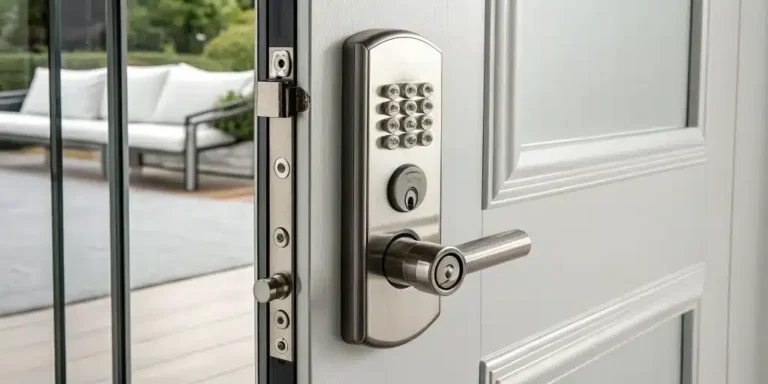
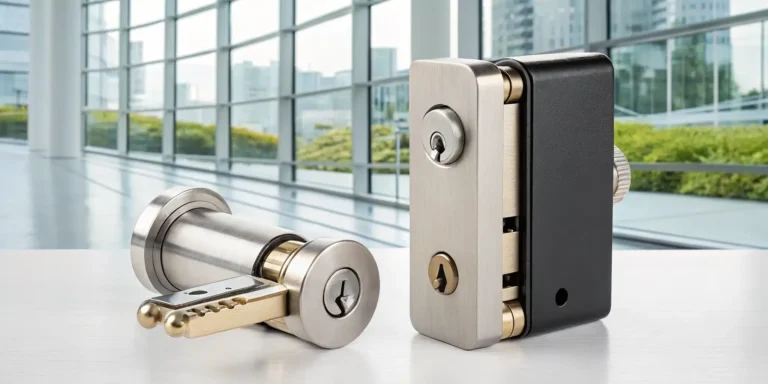
The single biggest upgrade on a double-hung or sliding window is a real lock. Keyed sash locks, ventilation locks that let you crack the window open safely, and simple pin locks that drop through both sashes can all stop a lift attack cold. On sliding windows, a metal track stop or Charley bar makes the window physically impossible to open from outside even if the latch is defeated.
Security Film and Laminated Glass
Security film is a clear polyester layer bonded to the inside of the glass. It does not make the glass unbreakable, but it holds broken shards together so an intruder cannot clear the frame and climb through in seconds. Laminated glass does the same thing at the factory level and is worth considering when you are replacing windows anyway.
Bars, Grilles, and Gates
For ground-floor and fire-escape windows in NYC, a proper window gate is still the gold standard. It has to be FDNY-approved and operable from the inside without a key or tool, which is exactly where most DIY installs go wrong. This is the part of the job where hiring a licensed pro pays for itself.
DIY Fixes You Can Do This Weekend
Plenty of window security work does not require a contractor. A confident homeowner or renter can knock out most of the basics in an afternoon.
- Swap tired sash locks for new keyed or ventilation locks.
- Drop a cut-to-length wooden dowel into every sliding window track.
- Apply security film to ground-floor panes following the manufacturer instructions.
- Install battery-powered glass-break or vibration sensors on vulnerable windows.
- Add motion-activated lights near any window hidden from the street.
None of these individually turn your home into a fortress, but together they raise the effort bar high enough that most opportunistic burglars move on.
When to Bring in a Professional
There is a point where DIY stops being the smart move. Window gates, fire-code-compliant egress hardware, and any lock that ties into an alarm panel are all jobs where a mistake can either leave you exposed or, worse, trap you inside during a fire. A licensed locksmith will measure, spec the right hardware, and install it so it passes both a security check and an FDNY inspection.
Rental Properties
Tenants in NYC have more rights around window security than most realize. Landlords are required to install window guards in any apartment where a child under ten lives, and they cannot refuse a reasonable request for working locks. If you are locked out of your own apartment because a window latch failed, our team handles apartment lockouts across the city day and night.
Commercial Storefronts
For shops, galleries, and offices with large display windows, the calculation is different. Roll-down gates, laminated glass, and monitored glass-break sensors are the baseline, and a commercial locksmith can coordinate the whole package with your alarm provider so everything talks to each other.
Securing Different Window Types
One set of hardware does not fit every window. Here is where to focus based on what you have:
- Double-hung: Keyed sash locks plus a pin drilled through both sashes.
- Casement: A good crank lock and, if the frame allows, an auxiliary keyed lock on the sash.
- Sliding: A track stop or dowel, plus a secondary latch at the top.
- Basement: Bars or a security grille, because these are the hardest to see from the street.
- Fire-escape access: FDNY-approved gates, no exceptions.
Habits That Make Everything Else Work
Hardware only helps if you use it. The cheapest, most effective upgrade is a routine: lock every window before you leave and before you go to bed, keep trees and shrubs trimmed back from ground-floor panes, and do not leave ladders, garbage cans, or recycling bins stacked against the house. A quick monthly walk-around to check that every latch still works catches problems before a burglar does.
Final Thoughts
Window security is not about buying one expensive gadget. It is about closing the easy gaps first, layering a few smart upgrades on top, and knowing when a job is big enough to hand off to a licensed pro. Start with the windows a stranger could reach from the sidewalk or a fire escape, fix those, and work inward. A little attention up front buys a lot of peace of mind later.
Need professional help in NYC? Contact Golden Key Locksmith NYC for Manhattan Locksmith Services or Apartment Lockout Help. Available 24/7 across Manhattan and all NYC boroughs.