

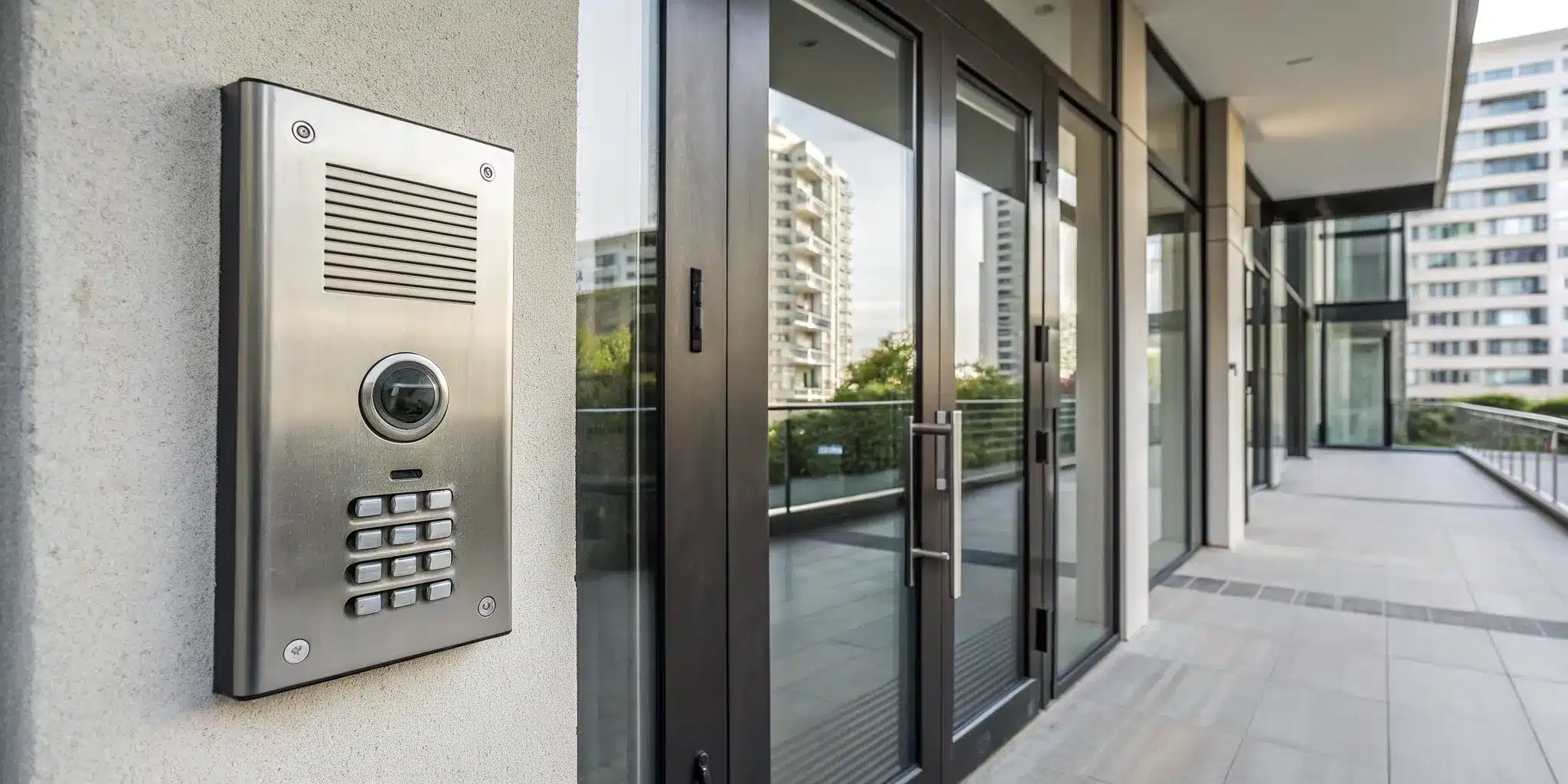
Think about the last time you missed a package because you weren’t home, or had to run down multiple flights of stairs to let a friend in. A modern intercom system is designed to solve these everyday frustrations. It’s a tool that brings a new level of convenience to managing your property, allowing you to handle deliveries, guests, and service providers without interrupting your day. The ability to use an intercom buzzer with door release button directly from your smartphone means you’re always in control, whether you’re in your living room or across town. This guide is about more than just the technology; it’s about how these systems fit into your daily life to make it safer and simpler.
Key Takeaways
- Prioritize Modern Features for Real-World Convenience: An effective intercom system does more than just buzz someone in. Look for high-definition video, remote mobile access, and smart integrations to manage visitors and deliveries securely, whether you’re home or away.
- Match the System to Your Building’s Needs: The best intercom is one tailored to your space. Consider your building’s size, whether it’s residential or commercial, and choose a scalable system that can grow with you to ensure a lasting and effective security investment.
- Invest in Professional Setup and Regular Upkeep: To avoid common frustrations like communication glitches and security gaps, rely on professional installation for a flawless start. Simple, routine checks will then keep your system running smoothly and extend its lifespan.
What Is an Intercom Buzzer System?
If you live or work in New York City, you’re familiar with the sound of a buzzer cutting through the quiet of your apartment or office. An intercom buzzer system is that essential link between you and the outside world, allowing you to communicate with visitors at your front door without having to open it. At its core, it’s a two-way communication device that lets you speak with—and often see—whoever is trying to gain entry, giving you complete control over who comes into your space.
This technology is a fundamental part of modern building security. It gives you the power to verify a visitor’s identity before granting them access, which is a major step up from a simple lock and key. Whether it’s for a multi-unit residential building in Brooklyn or a commercial office in Manhattan, an intercom system acts as your first line of defense. It helps manage the flow of people, from delivery drivers to clients and personal guests, ensuring only authorized individuals can enter. These systems are a cornerstone of comprehensive security systems that keep properties safe and give you peace of mind. It’s about more than just convenience; it’s about creating a secure environment for everyone inside.
The Key Parts of an Intercom System
Every intercom system has a few key components that work together. First, there’s the exterior base station, which is the panel located at the building’s entrance. This unit typically includes a microphone, a speaker, and a directory or individual buttons for each apartment or office. Many modern versions also feature a built-in camera for video verification. When a visitor presses a button, it sends a signal to the corresponding indoor unit. This indoor substation, mounted inside your home or office, is what rings or chimes. It has a speaker and microphone for you to talk back, along with the all-important door release button.
How Door Release Systems Work
The door release is what makes an intercom system so convenient. After you’ve identified your visitor through the intercom, you can grant them access with the simple push of a button. This action sends an electrical signal to an electronic lock installed on the entry door, causing it to unlock for a short period. This is the “buzz” you hear that lets your guest know they can open the door. This feature is crucial for both security and ease of use, eliminating the need to walk down to the lobby every time someone arrives. It’s an effective access control solution for both residential and commercial properties.
A Look at Today’s Intercom Options
Intercom technology has come a long way from the crackly, audio-only systems of the past. While those basic models are still in use, today’s options are far more advanced. Modern intercoms often include high-definition video, allowing you to see a clear picture of your visitor. Many are now “smart” systems that connect to the internet, letting you answer your door from anywhere using a mobile app on your smartphone. You can see and speak to visitors, and even unlock the door remotely, whether you’re on your couch or across town. These advanced systems can also integrate with other smart devices, becoming a central part of your property’s overall security setup.
Must-Have Features for Security and Access
When you’re choosing an intercom system, it’s easy to get lost in the technical specs. But what really matters is how the system improves your daily life and keeps your property secure. The best systems blend convenience with robust security, giving you peace of mind whether you’re at home, in the office, or on the go. Modern intercoms have moved far beyond a simple button and speaker; they are now sophisticated hubs for managing access to your building.
Think about what you need most. Is it the ability to see who’s at the door in crystal-clear detail? Or maybe it’s the freedom to let in a delivery person while you’re stuck in a meeting across town. The right features will feel like a natural extension of how you already manage your home or business. From high-definition video to seamless smart home integrations, today’s intercoms offer a suite of tools designed for modern living. Let’s walk through the essential features you should look for to ensure you get a system that’s both powerful and practical.
Clear Video and Audio Capabilities
There’s nothing more frustrating than a grainy, unclear video feed or crackly audio when you’re trying to identify a visitor. That’s why high-definition video and crisp, two-way audio are non-negotiable. Look for systems with a wide-angle lens to get a full view of your entryway, and make sure it includes night vision for clear visibility after dark. Today’s advanced intercom systems can act as a central part of your building’s technology, so high-quality communication is the foundation for everything else. Clear audio allows for easy conversation, ensuring there are no misunderstandings when speaking with guests, delivery drivers, or service personnel.
Answering Your Door From Anywhere
One of the biggest advantages of a modern intercom system is the ability to manage your door from anywhere. With a smartphone app, you can see who is at your door, have a two-way conversation, and grant them access with a simple tap—whether you’re on your couch or on vacation. This feature is a game-changer for convenience. You’ll never miss an important package again, and you can easily let in friends or family who arrive early. As experts at ButterflyMX explain, tenants can use their phone to talk to visitors and open the door, even when they’re not home, adding a layer of flexibility that traditional systems just can’t match.
Connecting With Your Smart Devices
For a truly seamless experience, your intercom should work well with the other technology you use every day. Many modern systems are designed to integrate with your smart home or office ecosystem. Look for features like Wi-Fi and Bluetooth connectivity, which allow the intercom to communicate with other devices on your network. Some systems can even connect with voice assistants like Amazon Alexa or Google Assistant, letting you control access with a simple voice command. This integration turns your intercom from a standalone device into a key component of your connected security systems.
Keeping Your System Secure
While an intercom adds a powerful layer of security, it’s important to remember that it works best as part of a comprehensive strategy. The system relies on you to visually or verbally identify who is at the door. If an unauthorized person can convince you to let them in, the technology itself can’t stop them. That’s why it’s smart to pair your intercom with other security measures, like surveillance cameras positioned at different angles. This creates a more complete view of your property and makes it much harder for anyone to bypass your security protocols.
Managing Visitors with Ease
A great intercom system simplifies visitor management for everyone. For residents in an apartment building, it means you can easily buzz guests in without having to run downstairs. For businesses, it allows reception to manage access efficiently. Many systems also offer features like virtual keys or temporary access codes. You can send a temporary, time-sensitive code to a dog walker, a contractor, or a visiting client, granting them access for a specific period. This eliminates the need for physical keys and gives you full control over who enters your commercial property.
Common Intercom Challenges (and How to Solve Them)
Intercom systems are fantastic for managing access to your building, but like any piece of technology, they can run into problems. From a tricky installation to the occasional glitch, knowing what to look out for can save you a lot of headaches. Most issues stem from a few common areas: the initial setup, communication breakdowns, security vulnerabilities, daily management, and regular upkeep. The good news is that for every challenge, there’s a straightforward solution. Whether you’re dealing with a brand-new installation or trying to get a few more years out of an older system, understanding these potential hurdles is the first step.
These systems are your first line of defense, so ensuring they work correctly is key to your peace of mind. When your intercom is on the fritz, it’s more than just an inconvenience; it can compromise your building’s security and frustrate residents and visitors alike. From buzzing that doesn’t always work to concerns about unauthorized entry, we’ve seen it all. This section will give you the practical advice you need to identify and address these problems head-on. We’ll cover everything from the complexities of installation to the simple maintenance tasks that keep your system running smoothly. By the end, you’ll have a better grasp of how to troubleshoot common issues and know when it’s time to call in a professional to keep your property secure and accessible.
Handling a Complex Installation
Getting your intercom system set up correctly from the start is crucial. A complex installation can be a major source of future problems if it isn’t handled by a professional. It’s more than just mounting a panel; it involves intricate wiring that connects the main unit, individual apartment stations, and the door release mechanism. Even something as small as “a poorly seated wire inside the intercom panel” can lead to total communication failures. If you’re not experienced with low-voltage wiring, a DIY approach can quickly turn into a frustrating and costly mistake. To avoid these issues, it’s always best to rely on experienced technicians who understand the nuances of different security systems and can ensure every component is installed perfectly.
Solving Communication Glitches
One of the most common complaints about intercoms is intermittent functionality. Maybe the “buzzing works sometimes but not always,” or the door release button seems to have a mind of its own. These glitches can be incredibly frustrating because they’re often hard to pin down. Is it a wiring issue? A faulty button? A problem with the power supply? Each symptom can point to a different part of the system. Instead of guessing, it’s best to have a professional diagnose the problem. They have the tools and expertise to trace the issue to its source, whether it’s a loose connection, a worn-out component, or a problem with the lock itself. For urgent issues where access is completely blocked, an emergency locksmith can help.
Protecting Against Security Risks
An intercom is a security tool, but it can have vulnerabilities if not managed properly. A prime example is “buzzer bombing,” a practice where someone presses every button hoping a resident will grant them access without checking who they are. This is not only annoying for tenants but also a significant security risk, as it allows unauthorized individuals into the building. Modern intercom systems with video verification help solve this by letting residents see who is at the door before buzzing them in. Upgrading to a system that uses key fobs, keypads, or mobile access can also reduce reliance on the buzzer, giving you more control over who enters your commercial property.
Simplifying Day-to-Day Management
“Intercom systems play a crucial role in both residential and commercial properties, offering secure communication and access control.” But when they’re outdated, they can be a pain to manage. Think about old-school systems with paper directories that need to be manually updated every time a tenant moves out. For property managers, this is a constant, time-consuming task. Modern systems simplify this process with digital directories that can be updated remotely in seconds. They also offer features like temporary access codes for guests or deliveries, which makes life easier for everyone. Investing in a user-friendly system streamlines day-to-day operations and ensures your building’s access control is always current and efficient.
Staying on Top of Maintenance
Like any system with moving parts and electronic components, intercoms need regular maintenance to stay in good working order. Over time, you might encounter issues like a “broken wire/connection” or a lock release that stops operating due to a mechanical failure. Buttons can also get stuck from overuse, and exposure to the elements can cause corrosion and other damage. Performing regular checks on your system can help you catch these small problems before they become big ones. If you notice a button is sticking or the audio is crackly, it might be time to call for a professional door repair and installation service to take a look and perform preventive maintenance.
How to Choose the Right System for Your Building
Picking the right intercom buzzer system isn’t just about technology; it’s about finding the perfect fit for your property’s unique demands. The system that works for a brownstone in Brooklyn will be different from what’s needed for a high-rise office in Manhattan. To make the best choice, you’ll want to think about who will be using the system, the size of your building, and your long-term security goals. By asking the right questions upfront, you can invest in a system that not only secures your property but also makes daily life more convenient for everyone who walks through its doors.
For Your Home or Business?
The first step is to clarify whether you’re securing a residential or commercial space, as their needs are quite different. Intercom systems are fantastic for controlling access without physical keys in both apartment buildings and offices. For a residential locksmith project, the focus is usually on convenience for tenants—letting them easily screen visitors and accept packages. In a multi-family building, you’ll want a system that’s intuitive for all residents to use.
For a business, the priorities shift toward security and operational efficiency. A commercial locksmith solution often requires features like access logs to track who enters and when, integration with employee credentials, and the ability to manage different access levels for various parts of the building.
Considering Your Building’s Size
The physical layout and scale of your property play a huge role in determining the right intercom system. A single-door entrance for a small boutique has simple requirements, but a large office building or apartment complex with multiple entry points needs a more robust solution. For larger properties, especially those where running new wires is difficult or costly, wireless systems are an excellent choice because they offer more flexibility. Wired systems, on the other hand, are known for their reliability and are often a great fit for new constructions or buildings undergoing major renovations where wiring can be easily integrated. The key is to map out all your entry points and choose a system that can cover them all effectively.
Defining Your Security Needs
What level of security are you aiming for? An intercom’s basic function is to let you talk to visitors before granting access, which is a major step up from a simple doorbell. But modern systems offer so much more. Do you need to see who’s at the door? A video intercom provides that crucial visual confirmation. Do you want a record of everyone who comes and goes? Look for a system with image or video capture capabilities. Your intercom is your first line of defense, so it’s worth considering how it fits into your overall security plan. It can work alongside other security systems to create a comprehensive and layered defense for your property.
Checking for Smart Integrations
Today’s intercoms can do more than just buzz people in. Many are “smart” systems that connect with other technology in your building to make life easier and more secure. Imagine being able to see who’s at your lobby door and letting them in from your smartphone, whether you’re in your apartment or on vacation. Smart integrations allow for this kind of remote access. They can also connect with smart locks, alarm systems, and even lighting. This connectivity turns your intercom from a standalone device into the central hub of your building’s access control, giving you more control and peace of mind than ever before.
Planning for Future Upgrades
Your needs might change over time. Your business could expand to another floor, or your apartment building might add a new amenity with a separate entrance. That’s why it’s smart to choose a system that can grow with you. A scalable intercom system should be able to handle many entrances and users, and it should be easy to expand if your building changes. Opting for a modular system that allows you to add new door stations, indoor monitors, or features without replacing the entire setup will save you significant time and money down the road. Thinking about future door installation or expansion now ensures your investment remains valuable for years to come.
Breaking Down the Costs of an Intercom System
Thinking about upgrading your building’s security with an intercom system is a smart move, but it’s natural to wonder about the price tag. The total cost isn’t just one number; it’s a combination of hardware, installation, and any extra features you choose. Let’s walk through the different costs so you can get a clear picture of what to expect.
Hardware and Equipment
The physical components make up the bulk of the initial cost, typically ranging from $1,000 to $7,000. This price depends on complexity—from a simple audio-only system to a multi-unit building needing video. This includes the master station, individual units, and wiring. Choosing reliable hardware is key to building effective security systems that last.
Installation and Labor
Professional installation is crucial to ensure your system works correctly. On average, plan for at least four hours of labor per intercom unit. Buildings with older infrastructure might require new wiring, which adds to the timeline and cost. Factoring in skilled labor is essential for a dependable setup that won’t cause headaches later on.
The Price of Optional Features
This is where you can customize your system. A basic intercom might cost around $750 per door, while advanced systems with features like HD video or mobile access can reach up to $10,000 per door. These add-ons increase the initial cost but also bring significant convenience and an extra layer of security, making them a popular choice for NYC properties.
Budgeting for Maintenance
Once your system is running, consider minor ongoing costs. While modern intercoms are low-maintenance, you’ll still handle administrative tasks like adding or removing a user, which takes about 15 minutes. It’s also smart to budget for software updates or repairs. Having a plan for when you might need professional service helps manage long-term costs.
Understanding the Long-Term Value
It’s helpful to see an intercom system as an investment, not just an expense. A modern system improves security with features like audit trails, which log who enters and when. This provides peace of mind for residents and property managers alike. A high-quality intercom can also increase your property’s value and make it more attractive to potential tenants.
What to Expect During Professional Installation
Getting a new intercom system installed is a big step toward securing your property, but it’s natural to wonder what the process actually involves. Professional installation is much more than just mounting a unit by your door; it’s a careful, multi-step process designed to ensure your system works perfectly from day one. When you work with a professional team, you’re not just getting a piece of hardware—you’re getting a security solution tailored to your space and needs.
A proper installation prevents the common glitches and frustrations that can come with a DIY setup. It’s about making sure the wiring is secure, the software is configured correctly, and every feature functions exactly as it should. From the initial walkthrough to the final test run, each step is crucial for creating a reliable and easy-to-use access control system. Let’s walk through what you can expect when a professional technician installs your intercom buzzer and door release system.
The Initial Site Assessment
The first thing a technician will do is perform a thorough site assessment. This isn’t just a quick glance; it’s a detailed evaluation of your property to determine the best setup for your needs. They’ll discuss your security goals, look at entry points, and identify the ideal placement for the outdoor station, indoor monitors, and wiring. Because intercom systems are key to secure communication and access control, this initial assessment ensures the final installation provides optimal coverage and functionality, whether for a single-family home or a multi-unit commercial building.
Planning the Wiring
A reliable intercom system depends on clean, secure wiring. A technician will carefully map out the best path for all the wires, ensuring they are hidden, protected from the elements, and safe from tampering. This meticulous planning is critical because, as experts note, even a single “poorly seated wire inside the intercom panel or door release mechanism can cause communication failures.” By planning the wiring properly, the installer prevents future connectivity issues, ensuring a stable and dependable connection between all parts of your system for years to come.
Configuring Your New System
Once the hardware is in place and wired, the technician will configure the system. This is the technical step where your intercom comes to life. They will connect the system to your network, program the software, and sync it with any smart devices, like your phone or tablet. This process involves fine-tuning all the settings to your preferences, from camera angles and motion detection sensitivity to user access permissions. The goal is to ensure every component, especially the door release button, functions seamlessly and reliably, avoiding common issues like an intermittent buzz or a failing lock.
Testing to Ensure Everything Works
Before the job is considered complete, the installer will conduct comprehensive testing on the entire system. They will run through every function—checking the audio and video quality, testing the door release from every access point, and ensuring mobile app notifications are coming through correctly. They will also walk you through how to use your new system, answering any questions you have. This final check provides peace of mind, confirming that your system is working perfectly and saving you the frustration of having to troubleshoot common issues on your own later.
Managing Your Intercom System Day-to-Day
Once your new intercom system is installed, the real fun begins. Getting comfortable with its features is key to making your daily routine smoother and more secure. A modern intercom is more than just a buzzer; it’s a central part of your property’s access management. From handling package deliveries to letting in friends while you’re still in the kitchen, your system is designed to simplify things. Learning how to use it effectively, integrate it with your other devices, and perform basic troubleshooting will help you get the most out of your investment and keep your home or business running seamlessly.
Integrating with Other Access Controls
Your intercom system doesn’t have to work in isolation. For a truly robust security setup, you can integrate it with other access control methods. Think of it as creating layers of security that work together. For example, you can connect your intercom to an electronic lock that also works with a key fob or a card reader. This allows residents or employees to use their preferred entry method, while visitors still use the intercom. This kind of integrated approach provides flexibility and strengthens your building’s overall security. By combining different technologies, you create a comprehensive security system that’s harder to bypass and easier for you to manage.
Using Your Phone for Mobile Management
One of the best features of modern intercoms is the ability to manage them from your smartphone. Gone are the days of rushing to the wall-mounted unit every time the buzzer rings. With a mobile app, you can see who’s at your door, speak to them, and grant access from anywhere—whether you’re on the couch, at the office, or on vacation. This is a game-changer for convenience. If a friend arrives early or you need to let a service provider in while you’re out, you can handle it with a quick tap on your phone. This feature gives you complete control over your property’s access, making your residential locksmith solution feel truly connected to your modern life.
Solutions for Multi-Tenant Buildings
In multi-tenant buildings like apartment complexes or office spaces, intercoms are essential for managing the flow of people. Modern systems make it easy for each tenant to control access for their own visitors without compromising the security of the entire building. When a guest arrives, they can buzz a specific apartment or office, and the tenant can grant entry directly from their unit or even their smartphone. This eliminates the need for a front desk person to handle every visitor and gives tenants more autonomy. For property managers, these systems simplify building access and provide a valuable amenity for residents, making it a smart investment for any commercial property.
Granting Access for Deliveries
We all know the frustration of a missed package or, worse, a stolen one. A good intercom system can solve this problem for good. You can grant temporary access to delivery drivers so they can securely leave packages inside the building lobby instead of on the stoop. Some systems allow you to generate one-time codes, while others let you buzz the driver in remotely after verifying their identity through the video feed. This ensures your deliveries are safe and sound until you can retrieve them. It’s a simple feature that provides immense peace of mind and protects your purchases, working hand-in-hand with a secure door and entryway.
Quick Troubleshooting Tips
Even the best systems can have occasional hiccups. Before you panic, there are a few things you can check yourself. If the buzzer isn’t working, check for loose connections or tripped circuit breakers. If the door release button is sticking or failing, it could be a simple mechanical issue. Sometimes, audio is unclear due to interference, which a simple reset might fix. However, if you’re dealing with issues like inconsistent buzzing, no sound at all, or a door that won’t unlock, it often points to a deeper wiring or power supply problem. For anything beyond a simple reset, it’s best to call a professional. A qualified emergency locksmith can diagnose the issue safely and get your system back online quickly.
Keeping Your System in Top Shape
An intercom system is one of those things you don’t think about until it stops working. To keep yours running smoothly and avoid that “Oh no, the buzzer’s broken” moment, a little proactive care goes a long way. Just like any other piece of technology in your building, your intercom needs some attention to perform its best and keep your property secure.
Regular maintenance helps you catch small issues before they turn into major, expensive problems. Think of it as a health check-up for your building’s front door. A well-maintained system is a reliable one, ensuring you, your tenants, or your employees can always count on it. The good news is that a lot of this upkeep is simple. By following a basic checklist and knowing how to spot common trouble signs, you can extend the life of your system and maintain a secure, convenient entry process for everyone.
Your Regular Maintenance Checklist
Keeping your intercom system in good working order doesn’t require a ton of technical skill. Start by adding a few simple tasks to your regular building maintenance routine. First, do a quick visual check of all the components, inside and out. Look for any obvious signs of damage, like cracked casings or frayed wires. Next, give everything a gentle cleaning. A soft, dry cloth can remove dust and grime from keypads, camera lenses, and handsets, which can prevent buttons from sticking and keep video feeds clear. Finally, test the system every month or so. Make a call from the outdoor unit to an indoor one to check for clear audio and a sharp video picture. This simple routine helps you spot trouble early.
How to Handle Common Technical Issues
Even with great care, you might run into a few glitches. Knowing how to troubleshoot can save you a lot of frustration. For instance, if the buzzer works only sometimes or the door release button fails to unlock the door, it could signal a loose connection or a mechanical issue with the button itself. A handset that doesn’t ring at all often points to a broken wire somewhere in the system. While you might not be able to fix these issues yourself, identifying the specific symptom is the first step. These clues help a professional diagnose the problem much faster when they arrive.
When to Call for Professional Service
While a little DIY troubleshooting is great, it’s important to know your limits. If you’ve tried the basics and the problem persists, it’s time to call in a professional. Constant static, a complete system failure, or any visible damage to the wiring are clear signs you need an expert. Trying to fix complex electrical problems on your own can be dangerous and may lead to more extensive damage. A professional technician can safely diagnose the root cause, whether it’s a faulty power supply or an internal wiring problem. For reliable and swift service, our team is always ready to handle your security system repairs and get things back in order.
Simple Tips for Preventive Care
A few simple habits can make a big difference in your intercom’s longevity. If you’re in a multi-tenant building, educate residents on how to use the system properly. Discourage “buzzer bombing”—where visitors press every button hoping someone will let them in—as it causes unnecessary wear on the panel. Also, make sure your outdoor unit is protected from the elements. A small overhang or shield can prevent rain and harsh sun from damaging sensitive electronics over time. Finally, consider scheduling an annual professional inspection. A technician can spot potential issues, tighten loose connections, and ensure your system is ready for another year of reliable service.
Related Articles
- How To Use An Apartment Intercom: The Ultimate Guide
- DIY Intercom System Repair: A Step-by-Step Guide
- Intercom Not Working? 7 Easy Fixes To Try
Frequently Asked Questions
My current buzzer is unreliable. Do I need a whole new system? Not always. An unreliable buzzer can be caused by a number of things, from a simple loose wire to a worn-out button or a problem with the door’s electronic lock. A professional can diagnose the specific issue. Sometimes, a targeted repair is all you need to get it working perfectly again. However, if your system is very old or constantly breaking down, investing in a new, modern system might be more cost-effective in the long run and will give you access to better features.
Is a video intercom system worth the extra cost? For most people, the answer is a definite yes. The ability to visually confirm who is at your door before granting them access adds a significant layer of security that audio-only systems just can’t match. It helps you screen visitors more effectively, prevent unauthorized entry, and gives you a clear record of who comes to your door. Think of it as the difference between a phone call and a video call—that visual confirmation provides invaluable peace of mind.
Can I upgrade my old audio-only system without rewiring the whole building? It depends on your building’s existing infrastructure, but it’s often possible. Many modern intercom systems are designed to be flexible. Some can use the existing wiring from older systems, which dramatically reduces the complexity and cost of the installation. Wireless options are also available that bypass the need for extensive wiring altogether. An expert can assess your current setup and recommend the best upgrade path for your specific property.
How secure are smartphone-based intercoms? Can they be hacked? This is a valid concern, and reputable manufacturers take it very seriously. Modern smart intercoms use strong encryption to protect the connection between the base station, your phone, and the cloud servers. This makes them very difficult to hack. While no technology is 100% foolproof, these systems are designed with multiple layers of security to protect your data and your property. It’s far more secure than leaving a key under the mat.
What’s the biggest mistake people make when choosing an intercom system? The most common mistake is focusing only on the upfront cost instead of the system’s long-term value and suitability for their specific needs. A cheap system might save you money initially, but it could lack essential features, be difficult to use, or require frequent repairs. It’s better to consider the unique demands of your property—whether it’s a home or business, its size, and your security goals—to choose a reliable system that will serve you well for years to come.
Need professional help in NYC? Contact Golden Key Locksmith NYC for Key Card Entry Systems or Access Control Systems. Available 24/7 across Manhattan and all NYC boroughs.