

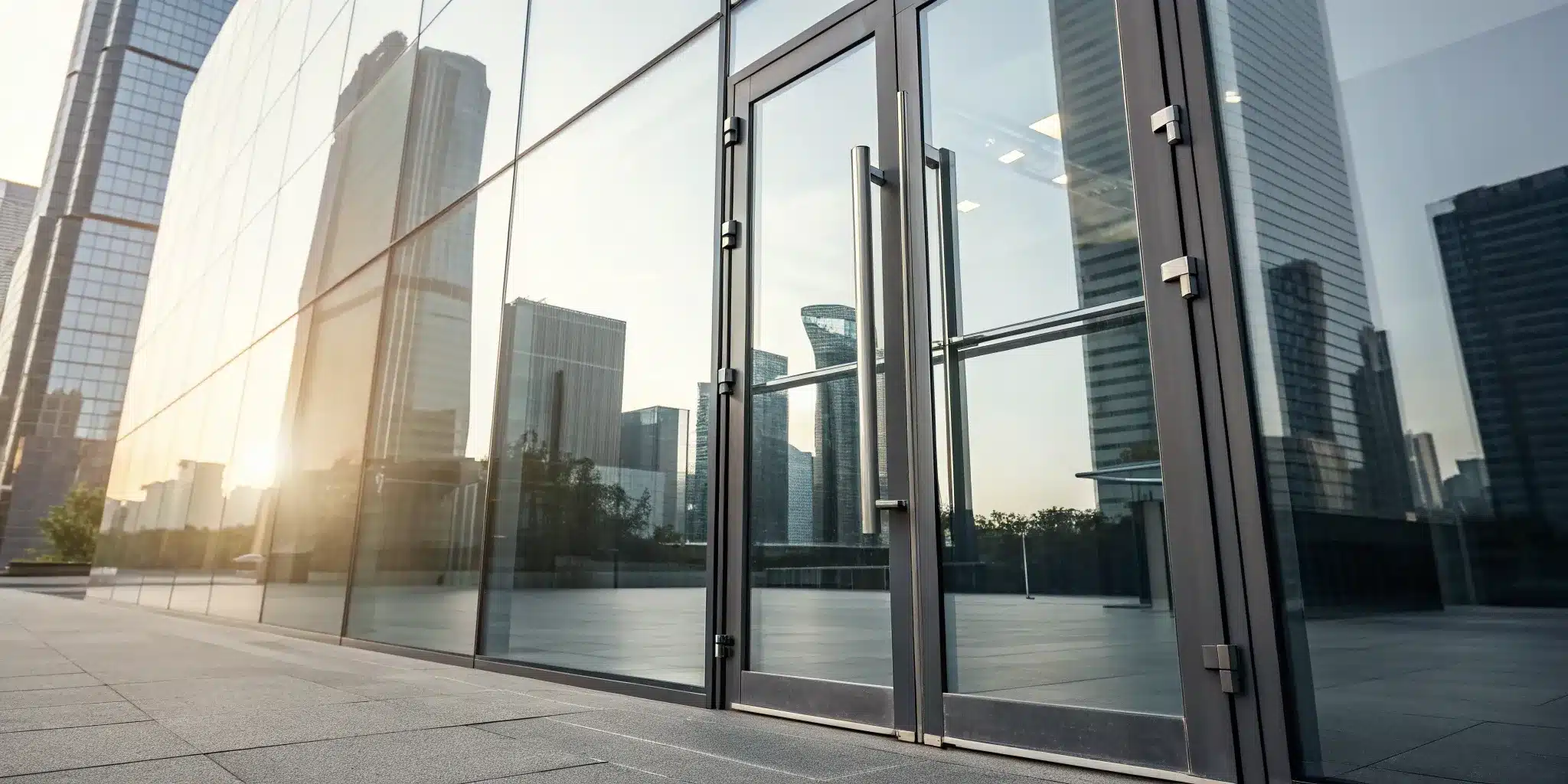
The entrance to your business says a lot before you ever greet a customer. It sets the tone for their entire experience. A sleek, modern glass door can make your space feel open and inviting, while an old, damaged one can send the wrong message. If you’re looking to refresh your storefront’s appearance, a new door is one of the most impactful changes you can make. But the project involves more than just picking a style you like. A successful commercial glass door installation requires careful planning around foot traffic, security needs, and building codes. This article will guide you through the key decisions, helping you choose a door that not only looks fantastic but also functions perfectly for your business for years to come.
Key Takeaways
- Plan for Function, Not Just Form: Before you decide on a style, consider how your door will function day-to-day. Factoring in foot traffic, security requirements, and ADA compliance from the start ensures your entrance is practical, safe, and welcoming for everyone.
- Your Installer Determines Your Success: A high-quality door can fail with a poor installation. The most important decision you’ll make is choosing a certified, insured professional with proven commercial experience to guarantee a secure, code-compliant, and lasting result.
- Consistent Care is Non-Negotiable: To keep your doors operating smoothly and looking their best, establish a simple maintenance routine. Regularly cleaning the glass, checking hardware, and clearing tracks will prevent costly repairs and protect your investment.
Choosing Your Commercial Glass Door
Picking the right glass door for your business goes beyond just aesthetics; it’s a decision that impacts your daily operations, customer experience, and security. The entrance to your commercial space sets the first impression, so it’s worth thinking through your options to find the perfect fit for your brand and your building. From the frame style to the type of glass, each choice plays a role in how your storefront functions and feels. Let’s walk through the key decisions you’ll need to make.
Framed vs. Frameless
First up is the overall look. When you’re deciding between framed and frameless glass doors, think about the vibe you want for your business. Frameless doors offer a sleek, minimalist look that maximizes visibility and creates a modern, open atmosphere. They’re perfect for high-end retail or contemporary office spaces. On the other hand, framed doors provide extra structural support, making them a more durable choice for high-traffic areas. The frame itself can also be a design element, adding a classic touch to your entrance. A professional commercial locksmith can help you weigh the security and durability of each option for your specific location.
Single vs. Double Doors
Next, consider how people move through your space. The choice between single and double doors often comes down to foot traffic. A single door is usually sufficient for businesses with a lower, more controlled flow of people, like a small boutique or a private office. They’re a practical, space-saving solution. Double doors are ideal for high-traffic locations like restaurants or large retail stores. They create a more welcoming entrance, allow for an easier flow of traffic in and out, and make your entryway feel more spacious and accessible. When planning your door repair and installation, think about your busiest days and choose accordingly.
Manual vs. Automatic
How do you want your customers to enter? Automatic doors are a fantastic way to enhance accessibility and convenience, especially in a busy commercial environment where customers might be carrying bags or pushing strollers. They provide a seamless, hands-free entry that feels modern and accommodating. However, manual doors are often more cost-effective upfront and can be easier to maintain over time. For many businesses, a high-quality manual door with a smooth-operating push or pull handle is a perfectly reliable option. This choice can also tie into your overall security systems, with options for controlled access on both types.
Glass Types and Finishes
Finally, let’s talk about the glass itself. The type you choose affects safety, energy efficiency, and privacy. Tempered glass is a standard for safety, as it’s designed to crumble into small, dull pieces if it breaks, reducing the risk of injury. For businesses looking to manage energy costs, Low-E (low-emissivity) glass has a special coating that helps regulate indoor temperatures. If you need more privacy or want to add a stylistic touch, you can explore decorative finishes like frosted, tinted, or etched glass. Each option comes with different benefits and costs, so it’s important to select the one that best aligns with your business needs.
Breaking Down the Cost of Installation
Figuring out the budget for a new commercial glass door can feel like a big task, but it’s manageable when you know what to expect. The total price tag is more than just the door itself; it includes the materials, the skilled labor to install it, and any special equipment needed for the job. Let’s walk through the main cost components so you can plan your project with confidence.
Material and Hardware Costs
The biggest part of your budget will likely go toward the door and its components. The type of glass you select plays a huge role in the final cost. While standard tempered glass is a durable and common choice, you might consider laminated glass for extra security or insulated glass units (IGUs) to improve energy efficiency. Each option comes at a different price point. The frame, typically aluminum for commercial use, and the hardware—like handles, pivots, and locking mechanisms—also contribute to the material costs. A complete door installation package from a professional service will bundle these items into a clear quote for you.
Professional Labor Fees
Installing a commercial glass door is a precise job that requires professional expertise to ensure it’s safe, secure, and functions correctly. Labor costs cover the time and skill of the installation team. These fees can vary based on the complexity of the project—for example, installing a large automatic sliding door will require more time and specialized knowledge than a standard manual door. In a city like New York, labor rates reflect the high level of skill required. When you hire a trusted commercial locksmith and installation service, you’re paying for a seamless, secure fit that meets all local building codes and safety standards.
Potential Equipment Needs
Sometimes, an installation requires more than just standard tools. If your storefront has a high entryway or is difficult to access, the installation team might need to use special equipment like a scissor lift or scaffolding, which can add to the overall cost. Additionally, if your existing opening needs to be modified to fit the new door frame, there may be extra labor and material costs for the structural work. A thorough site assessment before the project begins is the best way to identify these potential needs and get an accurate, all-inclusive quote, preventing any surprises down the line.
Long-Term Value and Energy Savings
While the upfront cost is a key consideration, it’s also helpful to think about the long-term benefits. A modern, well-installed glass door enhances your business’s curb appeal, creating a welcoming entrance for customers. More importantly, energy-efficient glass can lead to noticeable savings on your heating and cooling bills over time. A new door is also an opportunity to upgrade your security. You can integrate modern access control systems, from keypads to card readers, making your new entrance not just beautiful but also much more secure. This investment improves your property’s function, efficiency, and safety.
How to Plan for Your New Doors
A successful commercial glass door installation begins long before the tools come out. Proper planning is the single most important factor in getting the results you want: a door that’s secure, functional, and beautiful. Rushing this stage can lead to costly mistakes, delays, and a final product that doesn’t meet your needs. By thinking through your site, legal requirements, and material options ahead of time, you set your project up for a smooth and predictable process. Let’s walk through the key steps to creating a solid plan for your new doors.
Assessing Your Site
Before you fall in love with a specific door style, take a hard look at your space. Choosing the right glass door is about finding the perfect balance between aesthetics and everyday function. Consider the flow of traffic. Will your entrance see a constant stream of people, or just a few visitors a day? Think about the building’s orientation. A north-facing door has different needs than one that gets blasted by the afternoon sun. A professional site assessment can help you answer these questions and ensure your new doors not only look great but also fit the practical demands of your business.
Meeting Building Codes
Commercial door installation comes with a set of rules you can’t ignore. It requires accurate measurements, correct framing, and full compliance with local and national building codes, such as the International Building Code (IBC) and National Fire Protection Association (NFPA) standards. These regulations cover everything from fire safety to emergency egress and are in place to protect you, your employees, and your customers. Working with a professional installer ensures your project meets all legal requirements, helping you avoid fines and potential safety hazards down the road.
Following ADA Standards
Accessibility is a cornerstone of modern commercial design. The Americans with Disabilities Act (ADA) has clear guidelines for doorways to ensure everyone can enter your business safely and easily. This includes requirements for minimum door width, threshold height, handle types, and the amount of force needed to open the door. Following ADA standards isn’t just about compliance; it’s about creating a welcoming environment for every potential customer. Planning for these features from the start is much easier and more cost-effective than retrofitting them later.
Checking Structural Support
Commercial glass doors are heavy, and they need a strong foundation. Your building’s frame must be able to handle the weight and repeated stress of a high-traffic door. An installer will need to inspect the wall, header, and jambs to confirm they offer adequate structural support. Ignoring this step can lead to serious problems, including sagging doors, cracked glass, and damage to the surrounding wall. A professional door repair and installation service will verify that your structure is sound before any work begins, ensuring your investment is built to last.
Selecting the Right Materials
Finally, you get to choose the materials that will define your entrance. This decision should be guided by your site assessment and security needs. You want a door that is not only visually appealing but also durable and secure. For glass, you might consider tempered for safety or laminated for added security. Frames are typically made from aluminum, steel, or wood, each offering different benefits in terms of strength, maintenance, and style. Your choice of materials is a direct reflection of your brand and a key component of your building’s overall commercial security.
What to Expect During Installation
Once you’ve planned everything out, the installation day can feel like the most exciting and nerve-wracking part of the process. Knowing what a professional installation involves can help you feel more prepared and confident that the job is being done right. A skilled team will work through a series of precise steps to ensure your new glass doors are secure, functional, and perfectly fitted. From assembling the frame to running final quality checks, every stage is crucial for a long-lasting and reliable entryway. This isn’t a DIY project; it requires specialized tools and an expert understanding of building codes and mechanics.
The entire process is a great example of why professional door repair and installation is so important for commercial properties. Let’s walk through what you can expect when the installation team arrives.
Tools and Equipment
A professional installation crew won’t show up with just a hammer and a screwdriver. They’ll arrive with a full set of specialized tools designed for precision and safety. This includes heavy-duty drills, laser levels, and specific tools for handling large panes of glass. Proper installation requires exact measurements and perfectly level framing to ensure the door functions correctly and meets all necessary building codes, including ADA and fire safety standards. This professional-grade equipment is key to getting the job done efficiently and correctly the first time, preventing issues that could compromise your building’s security and accessibility down the line.
Assembling and Mounting the Frame
The first major step is building and setting the door frame. The team will carefully assemble the frame and mount it into the prepared opening. During this stage, their primary focus is making sure the frame is perfectly “plumb” (exactly vertical) and “square” (with perfect 90-degree corners). Even a slight error here can cause major problems, like a door that sticks, doesn’t lock properly, or creates drafts. The installers will use levels and other measuring tools to check and double-check their work before securing the frame firmly in place, creating a solid foundation for the rest of the installation.
Setting the Glass Panels
With the frame securely in place, it’s time to install the glass. This is a delicate step that requires both strength and precision. The heavy glass panels are carefully lifted and set into the frame. To hold them securely, the team installs interior glass stops, which are small components that often have rubber glazing gaskets already inside them. These gaskets create a tight, weatherproof seal around the glass, preventing rattles and protecting it from the stress of daily use. This careful handling ensures the glass is not only beautiful but also safe and secure within its frame.
Integrating Hardware
Once the door panel is hung on its hinges, the team will install all the necessary hardware. This includes the door closer mechanism at the top, handles or push bars, and the locking system. Each component is carefully fitted and tested to ensure smooth operation. The door should open and close without sticking or dragging, and the closer should be calibrated to the correct speed. This is also when any advanced security systems, like key card readers or electric strikes, are integrated. Every piece of hardware must work together seamlessly for the door to be both convenient and secure.
Sealing and Finishing Touches
With the main components in place, the team moves on to the finishing touches that make the installation complete and durable. They will anchor the threshold securely to the floor, often applying caulk or grout underneath it first. This step is critical for creating a watertight seal that prevents rain and drafts from getting inside. The team will also apply sealant around the entire door frame to close any small gaps. These final details not only give the doorway a clean, professional look but also improve your building’s energy efficiency and protect it from the elements.
Final Quality Checks
Before packing up, the installation team will perform a series of final quality checks to guarantee everything is working perfectly. They will test the door’s swing and alignment one last time, ensuring it latches and locks correctly without any force. They’ll also re-check that the frame is still plumb and square, as things can shift slightly during the installation process. This final inspection confirms that all hardware is functioning as it should and that the door meets all safety and operational standards. It’s your assurance that the job has been completed to the highest professional standard.
Integrating Safety and Security Features
A commercial glass door is more than just an entrance; it’s a critical component of your building’s safety and security plan. When you’re planning an installation, it’s essential to think beyond aesthetics and consider how your doors will protect your employees and customers while meeting legal requirements. Integrating the right features from the start ensures your space is both welcoming and secure, giving you peace of mind. A professional installation will account for everything from local building codes to the specific security needs of your business, creating a seamless and safe entryway.
Key Safety Standards
When installing a commercial door, following safety standards isn’t optional—it’s a legal requirement. Professional installers must ensure every installation is fully compliant with codes from the Americans with Disabilities Act (ADA), the International Building Code (IBC), and the National Fire Protection Association (NFPA). These regulations cover everything from door width and handle height to the force required to open the door, ensuring accessibility for everyone. Proper installation involves precise measurements and level framing to meet these strict guidelines. Working with a team that understands these codes is crucial for a safe, functional, and compliant door installation.
Emergency Exit Rules
Your glass doors must also function as a safe exit during an emergency. This means they need to allow for quick and easy egress without requiring special knowledge or keys. Emergency exit doors should always open outward and be equipped with hardware like panic bars or push bars that are simple to operate. The glass itself plays a role in safety; poorly installed glass can become a hazard in a chaotic situation. All emergency routes must be clearly marked and remain unobstructed. If an exit door malfunctions, it can create a serious safety risk, often requiring an emergency locksmith to resolve the issue immediately.
Access Control Options
Balancing security with accessibility is key for any commercial property. Modern access control systems give you the power to manage who enters your building and when, without compromising safety. You can choose from various options, including key card readers, keypad entry systems, and intercoms that connect to electric strikes or magnetic locks. These systems can be programmed to lock and unlock on a schedule and can provide an audit trail of who has entered the building. Integrating access control with your glass doors ensures that you can keep your property secure while still allowing for safe and easy exit in an emergency.
Security Upgrades
For businesses that need an extra layer of protection, several security upgrades can be integrated into your glass door installation. Consider using high-security glass, such as tempered or laminated glass, which is much more resistant to forced entry than standard options. For high-risk locations, you might even consider bullet-resistant materials. You can also reinforce the door frames and install high-security locks that are pick- and drill-resistant. A knowledgeable commercial locksmith can help you assess your property’s vulnerabilities and recommend the best combination of hardware and materials to keep your business secure.
Solving Common Installation Problems
Even the most carefully planned commercial glass door installation can hit a few snags. From unpredictable weather to hidden structural quirks in your building, a few challenges are just part of the process. The difference between a minor hiccup and a major headache is having an experienced team that knows how to handle these issues as they arise. A professional installer anticipates potential problems and has the skills to solve them on the spot, ensuring your project stays on track and your new doors function perfectly.
Understanding these common challenges can help you know what to expect and why hiring a qualified expert is so important. Let’s walk through some of the typical issues that can pop up during installation and how a skilled team addresses them.
Misalignments and Measurement Errors
One of the most frequent issues with any door installation is misalignment. Over time, especially in high-traffic commercial buildings, door frames can shift or settle. If your old frame is even slightly off, it can cause the new door to stick, bind, or not close securely. That’s why starting with precise measurements is non-negotiable. An experienced installer will measure everything multiple times to account for any imperfections in the existing opening. This careful approach prevents operational problems down the line and ensures your door provides a tight seal for better energy efficiency and security.
Weather-Related Delays
New York weather can be unpredictable, and it plays a big role in any exterior construction project. Rain, high winds, or extreme temperatures can create unsafe working conditions or affect how materials set and seal, potentially causing delays. A professional installation team will monitor the forecast closely and schedule the work for the best possible conditions. They also know how to properly place and seal glass doors so they open smoothly without sticking or squeaking, no matter what the weather brings. This foresight ensures your installation is done right the first time, avoiding weather-related performance issues later on.
Unexpected Structural Issues
Sometimes, the real challenges are hiding behind the old door frame. Once the existing door is removed, an installer might uncover issues like water damage, a warped structural frame, or inadequate support. Using low-quality materials or hiring unqualified labor for a previous job can often be the source of these problems. A professional team can identify these hidden issues and recommend the best course of action. Whether it requires reinforcing the frame or making other structural fixes, addressing these problems is crucial for a secure and lasting door installation.
Making Post-Installation Adjustments
Even with a flawless installation, new commercial doors can sometimes require minor adjustments as they settle into the frame. You might notice the door is slightly harder to open or doesn’t latch as smoothly as it did on day one. This is often due to a slight misalignment that occurs as the door and its components adapt to regular use. These small operational issues are usually a quick fix for a professional. A reputable installer will be available for post-installation support to make these fine-tuning adjustments, ensuring your door continues to operate perfectly.
A Quick Troubleshooting Guide
As a business owner, you can keep an eye out for common door problems. If you notice your glass storefront door is sticking or binding when you open or close it, it’s likely a sign of misalignment. Check for drafts around the edges, which could mean the seals are failing. Listen for any grinding or squeaking sounds, as these can point to hardware issues. While simple cleaning can solve some minor problems, most issues require professional attention. If you spot any of these warning signs, it’s best to call an expert commercial locksmith to diagnose and fix the problem correctly.
How to Care for Your Glass Doors
Once your beautiful new glass doors are installed, the work isn’t quite over. Proper care and maintenance are key to keeping them looking great and functioning smoothly for years to come. Think of it as a simple routine that protects your investment and ensures your entrance is always safe and welcoming. A little attention goes a long way in preventing costly repairs and maintaining your building’s professional appearance. By staying on top of a few key tasks, you can extend the life of your doors and keep them operating just like they did on day one.
Your Regular Maintenance Checklist
Creating a routine maintenance schedule is the best way to catch small issues before they become big problems. On a weekly or bi-weekly basis, take a few minutes to run through a quick check. Look over all the door components for signs of wear and tear, like loose screws or worn-out weather stripping. For automatic doors, make sure the sensors are clean and properly aligned. A key step is to lubricate moving parts, such as hinges and rollers, to keep them operating quietly and smoothly. This proactive approach helps you handle minor upkeep yourself and ensures the longevity of your doors.
When to Schedule a Professional Inspection
While your own visual inspections are helpful, some issues require an expert eye. You should schedule a professional inspection if you notice any obvious damage, like cracks in the glass or dents in the frame. Other red flags include doors that are difficult to open or close, make unusual grinding noises, or don’t seal properly, letting in drafts. If you spot any of these problems, it’s time to call for professional door repair and installation. A trained technician can diagnose the underlying issue, from alignment problems to failing hardware, and perform the necessary adjustments to restore safety and functionality.
Simple Cleaning and Upkeep
Keeping your glass doors sparkling clean makes a great first impression. To get a streak-free shine, start by using a soft, dry microfiber cloth to wipe away any dust and loose debris from the glass and frame. This prevents scratching during the cleaning process. Next, grab a quality, commercial-grade glass cleaner and another clean microfiber cloth. Spray the cleaner onto the cloth rather than directly on the glass to avoid drips. Wipe the glass in a consistent pattern, and for a perfect finish, use a squeegee to remove any remaining moisture. Don’t forget to wipe down the handles and frames, too!
How to Monitor Performance
Pay attention to how your doors operate every day. A well-maintained door should open and close smoothly without any sticking, jerking, or excessive force. Regularly check the door tracks and thresholds, clearing away any dirt, pebbles, or other debris that could obstruct movement and cause damage. If you have automatic doors, watch to see that they open and close at a consistent, safe speed. If you notice any changes in performance, like a door that suddenly seems slower or misaligned, investigate the cause right away. Consistent monitoring is one of the easiest ways to ensure optimal performance and safety.
How to Choose the Right Installer
Selecting the right commercial glass door is only half the battle; the quality of the installation is what truly determines its performance, security, and longevity. A flawless door can be compromised by a poor installation, leading to everything from annoying drafts to serious security vulnerabilities. Finding a skilled, reliable installer is the most critical step in ensuring your investment pays off. You need a partner who understands the unique demands of a commercial space and can deliver a finished product that is both beautiful and functional.
Choosing a professional with a deep understanding of commercial security and installation ensures the project is done right from the start. They will not only handle the technical aspects but also guide you through material selection and code compliance, saving you from costly mistakes and future headaches. Think of your installer as a long-term partner for your business’s safety and curb appeal. Taking the time to vet them properly will give you peace of mind and a door that serves your business well for years to come.
Look for Certifications
When you’re vetting an installer, certifications are more than just a nice-to-have—they’re proof of expertise. A certified professional has demonstrated knowledge of industry best practices and, more importantly, the complex building codes that govern commercial properties. Proper installation requires precise measurements and full compliance with standards like the Americans with Disabilities Act (ADA). An installer who is up-to-date on these regulations will ensure your entrance is safe, accessible, and legally compliant, protecting you from potential fines. Don’t hesitate to ask for proof of their qualifications; a true professional will be happy to provide it.
Confirm Insurance Coverage
Never hire an installer who can’t provide proof of adequate insurance, including general liability and workers’ compensation. Insurance protects everyone involved. If an accident happens on your property during the installation, you won’t be held liable for injuries or damages. It’s a fundamental sign of a legitimate and responsible business. A company that invests in proper coverage is also more likely to invest in proper training and equipment for its team. Asking for an insurance certificate isn’t rude; it’s a standard and necessary step in protecting your business.
Verify Their Experience
Commercial door installation is a specialized skill. Unlike residential doors, commercial entryways must withstand high traffic, offer robust security, and align with your brand’s aesthetic. Look for an installer with a proven track record in commercial settings. Ask to see a portfolio of their previous work or for references from other local businesses. An experienced team will anticipate challenges specific to commercial properties, like reinforcing entryways for heavy doors or integrating them with existing security systems. Their expertise is invaluable for a smooth and successful project.
Understand the Warranty
A solid warranty is a vote of confidence from your installer. It shows they stand behind both the products they use and the quality of their workmanship. Be sure to get the warranty details in writing and read them carefully. A comprehensive warranty should cover both the glass door itself and the labor. Ask specific questions: How long does the coverage last? What does it include? What is the process for filing a claim if something goes wrong? A clear and fair warranty provides long-term assurance that your investment is protected against defects and installation errors.
Key Questions to Ask
Before you make your final decision, treat the process like an interview. Having a list of questions ready helps you compare installers and identify the best fit for your project.
Here are a few essential questions to ask:
- Are you licensed, bonded, and insured for commercial work in New York City?
- Can you provide references from recent commercial projects similar to mine?
- What is your experience with the specific type of glass door I want?
- How do you ensure the installation will meet all local building codes and ADA standards?
- What does your warranty cover, and for how long?
- What is the estimated timeline for completion, from ordering the door to final inspection?
Is It Time to Replace Your Doors?
Sometimes, a simple repair just won’t cut it. While we can fix many door issues, there comes a point when replacing your commercial glass doors is the smarter, safer, and more cost-effective choice in the long run. If you’re constantly calling for repairs or noticing that your entrance just isn’t what it used to be, it might be time for an upgrade. Knowing the signs can help you make the right call for your business, saving you from future headaches and unexpected costs. Let’s walk through a few key indicators that signal it’s time for a replacement.
Poor Performance
Is your door becoming a daily frustration? If you or your customers have to wrestle with it just to get it open or closed, that’s a major red flag. Over time, heavy foot traffic and the general wear and tear of city life can cause door frames to become misaligned, making operation a real challenge. You might also notice drafts, hear scraping sounds, or see visible gaps around the edges. These aren’t just minor annoyances; they’re signs that your door is no longer functioning correctly. A professional door repair and installation service can assess whether the issue is fixable or if a full replacement is the best path forward.
Safety Risks
Your entrance is the first line of defense for your business, and a compromised door is a serious security liability. Visible damage like cracks or breaks in the glass doesn’t just look bad—it creates an easy entry point for intruders and can pose a safety hazard to anyone nearby. These issues can be caused by anything from temperature changes to accidental impacts. Beyond the glass, a warped frame or a failing lock mechanism can also make your property vulnerable. Prioritizing the security of your space is essential, and a new door is often the most reliable way to ensure your commercial locksmith needs are fully met and your property is secure.
High Energy Bills
Have you noticed your heating or cooling bills creeping up? Your doors could be the culprit. Old or poorly installed doors often have worn-out seals and gaps that let conditioned air escape and outside air seep in. This forces your HVAC system to work overtime just to maintain a comfortable temperature, leading to wasted energy and higher utility costs. Modern doors are designed with better insulation and high-quality sealing materials that create a tight barrier against the elements. Investing in a new, energy-efficient door can lead to significant savings over time, making it a smart financial decision for your business.
The Appeal of Modern Features
An outdated entrance can make your entire business look tired. Upgrading your commercial glass doors is a fantastic way to refresh your storefront’s appearance and create a more welcoming atmosphere for customers. But the benefits go beyond aesthetics. Modern doors offer advanced features that can improve both functionality and security. Think about options like automatic openers for better accessibility, or integrated security systems like keycard readers for controlled entry. Choosing a new door allows you to balance a fresh look with the durability and security features your business needs to thrive.
Related Articles
- Discover Glass Door Benefits For Your NYC Business Space
- Modern Glass Doors For NYC Businesses
- Glass Doors Installation & Repair NYC | (212) 204-1655
- Securing Sliding Glass Doors For Better Glass Door Security
- Glass Doors Installation & Repair NYC | (212) 204-1655
- How To Choose Commercial Door Repair In Brooklyn
- Commercial Revolving Door Repair NYC: What To Expect
Frequently Asked Questions
How long does a typical commercial glass door installation take? The actual on-site installation for a standard glass door can often be completed within a single business day. The real key to a smooth process is the preparation that happens beforehand, including a thorough site assessment and precise measurements. For more complex projects, like installing an automatic door system or if structural changes to the opening are needed, the timeline might extend. Your installer should give you a clear schedule before any work begins.
My current door is just a little sticky. Should I repair it or replace it? A sticky door can sometimes be a simple fix, but it can also be a symptom of a larger issue like a warped frame or failing hardware that compromises your security. The best first step is to have a professional take a look. A technician can diagnose the root cause and tell you whether a targeted repair will solve the problem for good or if a full replacement would be a smarter, more secure investment for the long term.
What’s the single most important security feature for a new glass door? It’s less about one single feature and more about how all the components work together as a system. A truly secure entrance combines several key elements: strong, shatter-resistant glass like tempered or laminated glass, a durable frame that can’t be easily pried, and a high-quality, pick-resistant lock. Thinking of security as a complete package, rather than just one part, is the most effective approach to protecting your business.
How can I minimize disruption to my business during the installation? Clear communication with your installation team is essential. A professional crew will work with you to find the best time for the installation, whether that’s during your slowest business hours or even after you close. They should be able to provide a reliable timeline so you can plan accordingly and let your staff and customers know what to expect. An experienced team works efficiently to get the job done right, ensuring your entrance is fully operational as quickly as possible.
Do I really need to worry about ADA compliance for my small shop? Yes, absolutely. The Americans with Disabilities Act (ADA) applies to all businesses that serve the public, no matter their size. Following these standards isn’t just about avoiding fines; it’s about making your business welcoming and accessible to every potential customer. A qualified installer will ensure your new door meets all the requirements for width, threshold height, and handle type, making it an easy and positive experience for everyone who visits.
Need professional help in NYC? Contact Golden Key Locksmith NYC for Metal Door Installation or Sliding Door Services. Available 24/7 across Manhattan and all NYC boroughs.
Related Articles
- How to Secure a Flat Door: A Practical Guide
- A Pro’s Guide to Choosing a Lift Up Door Lock
- How to Install a Panic Bar on a Glass Door Safely
- Panic Bar vs. Push Paddle Exit Devices: Key Differences
- Your Guide to Residential Fire Door Installation