

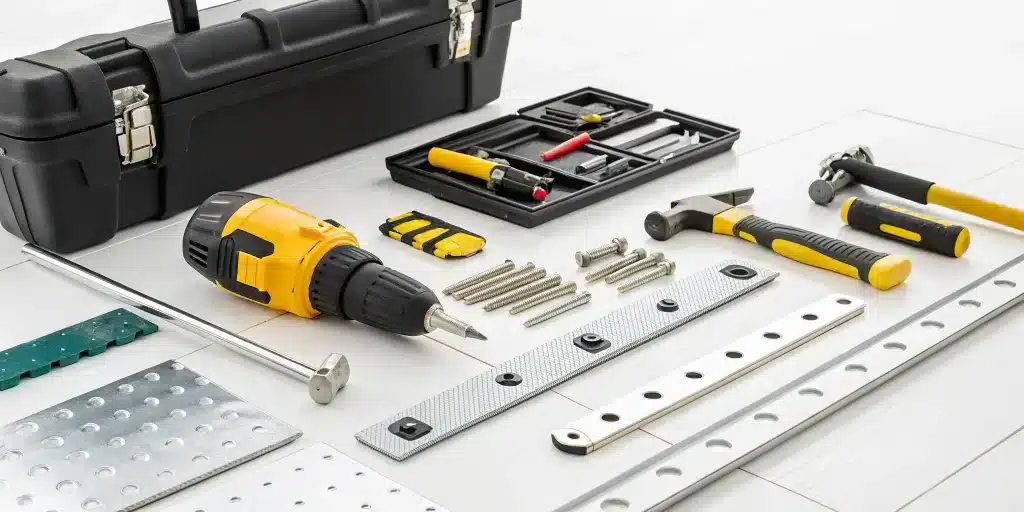
Doors in New York City take a beating. From constant foot traffic in a commercial building to the harsh swings in weather, the hardware that keeps them working is under incredible stress. The floor check, a concealed closer that manages heavy doors, often bears the brunt of this wear and tear. If your door has started acting up, it’s likely this hidden component is the culprit. This article is your guide to understanding why this happens and how to handle a floor check hardware replacement NYC project, ensuring your entryway remains safe and functional in a demanding environment.
Key Takeaways
- Recognize the warning signs: A door that slams shut, leaks oil, or makes grinding noises is a clear signal that your floor check hardware needs professional attention. A locksmith should handle the mechanical replacement, while a separate contractor may be needed for cosmetic floor repairs.
- Invest in a professional installation: Improper installation is a leading cause of premature hardware failure and can create serious safety hazards. To protect your property and ensure the job is done correctly, always hire a licensed, insured, and experienced locksmith.
- Understand repair versus replacement: Minor issues like a door closing too fast can often be adjusted, but significant problems like major fluid leaks or a failure to latch securely mean a full replacement is necessary for safety. After installation, simple monthly inspections will help your new hardware last longer.
What is Floor Check Hardware?
When you walk through a heavy glass or metal door at a storefront or in an apartment building lobby, you probably don’t think much about how it closes so smoothly and securely behind you. That seamless motion is often the work of floor check hardware. Unlike a standard overhead door closer that you see mounted above the door frame, a floor check (also called a floor spring) is a concealed control mechanism installed within the floor itself. Its job is to regulate the door’s swing, control its closing speed, and ensure it latches properly every time.
This hardware is essential for managing heavy doors that would otherwise be difficult to handle or dangerous if they slammed shut. It plays a huge role in maintaining the security and accessibility of a building, especially in high-traffic commercial spaces. Because the entire mechanism is hidden, it provides a clean, minimalist look that architects and designers love, all while offering powerful control. When this hardware functions correctly, it’s practically invisible. But when it starts to fail, the signs can be both obvious and problematic, affecting everything from your building’s security to daily convenience. Understanding its components and recognizing the warning signs of failure can help you know when it’s time to call for a professional repair.
Key Components of Floor Check Hardware
A floor check might seem complex, but it’s made up of a few key parts working together. The main body is housed in a cement case, which is a metal box set into the floor. Inside this case is the closer mechanism, which contains a spring and hydraulic fluid. The spring provides the force to close the door, while the hydraulic fluid controls the speed, preventing it from slamming. A spindle connects the mechanism to the door, acting as the pivot point. Finally, a cover plate sits on top, flush with your flooring, to protect the internal parts from dirt and debris. These components are vital for any business that needs reliable entryways, making their maintenance a key part of commercial locksmith security.
Signs Your Floor Check Hardware is Failing
You’ll know your floor check hardware needs attention when the door starts acting up. One of the most common signs is a change in closing speed; the door might slam shut unexpectedly or close so slowly that it fails to latch, leaving your property vulnerable. You might also notice hydraulic fluid or oil leaking onto the floor around the pivot point, a clear indicator of an internal seal failure. Other red flags include grinding or squeaking sounds as the door moves, or the door feeling unusually stiff and difficult to open. If the door doesn’t align with the frame anymore or won’t stay open when it should, it’s time to call a professional for a door repair and installation assessment.
Finding Floor Check Replacement Services in NYC
When your door’s floor check hardware starts acting up, finding the right professional in New York City can feel like a challenge. The city is full of specialists, but who do you call? Since floor check hardware involves the door, the floor, and a mechanical closer, the right expert depends on the exact problem. Sometimes, the issue is purely cosmetic, affecting the look of your door or flooring after years of use. Other times, it’s a mechanical failure that compromises your security and requires a professional who understands door systems inside and out.
For complete floor check hardware replacement, your best bet is a service that understands the entire door assembly, from the hinges to the lock. At Golden Key Locksmith NYC, we specialize in comprehensive door repair and installation, ensuring the hardware is installed correctly for smooth, secure operation. We handle the technical side of removing the old unit and fitting the new one perfectly. However, if your project involves significant cosmetic work on the surrounding surfaces, like a cracked tile or damaged wood, you might need to coordinate with other specialists. Knowing who does what can help you assemble the right team to get your door working and looking its best again.
Services for Commercial Doors
For any business, a well-maintained entrance is essential for making a good first impression and ensuring safety. If the area around your floor check is damaged, it can make your entire storefront look unprofessional. Some companies specialize in restoring the appearance of commercial entryways. For example, WTS NYC is a company that provides surface repair and restoration services across the city. They are experts at fixing various materials, including wood, stone, and metal. While they can handle the cosmetic fixes, the mechanical replacement of the floor check hardware itself is a job for a commercial locksmith who can ensure your door functions securely and reliably.
Solutions for Residential Buildings
In a residential building, a malfunctioning door closer is more than just an annoyance; it can be a security risk and a violation of building codes. Because floor checks are installed beneath the floor, a replacement can sometimes impact the surrounding flooring. If your floor is damaged during the hardware’s failure, you may need a flooring specialist. A Team Flooring Solutions offers professional floor repair services throughout the five boroughs, working with materials like hardwood, vinyl, and tile. They can restore the look of your floor, but a residential locksmith should handle the precise work of installing and adjusting the new floor check hardware to keep your home safe.
Heavy-Duty and Industrial Options
Industrial settings have heavy-duty doors that see a lot of action, and their floor check hardware needs to be incredibly durable. The level of specialization required in these environments is high. For instance, some companies focus only on maintaining industrial equipment. Olson Floor Supply offers professional repairs for hardwood flooring machines in Queens, with expert mechanics who handle that specific equipment. This same principle applies to your doors. For the robust floor checks used in industrial spaces, you need a locksmith with experience in heavy-duty commercial hardware. They have the tools and knowledge to replace these powerful mechanisms correctly, ensuring your facility remains secure and accessible.
Why Does Floor Check Hardware Fail?
Floor check hardware is built to be durable, but it’s not invincible. Like any mechanical part that’s constantly working, it eventually gives out. The reasons for failure usually fall into two main categories: the stress of daily use and issues with how it was installed or maintained. In a place like New York City, where doors see constant action and face all kinds of weather, these factors are even more pronounced. Understanding what causes the breakdown is the first step in figuring out the right solution, whether it’s a simple repair or a full replacement.
Wear from High Traffic and NYC Weather
Think about the main entrance to a busy office building in Manhattan or a packed apartment complex in Brooklyn. That door opens and closes hundreds, if not thousands, of times a day. This constant motion puts immense stress on the floor check’s internal components, leading to gradual wear and tear. The climate in NYC also plays a big part. Rain, snow, and humidity can introduce moisture that corrodes metal parts, while drastic temperature shifts cause materials to expand and contract. Over time, this combination of heavy use and environmental exposure weakens the hardware, causing it to leak fluid, make grinding noises, or stop controlling the door properly. For businesses, a malfunctioning door can disrupt operations, which is why reliable commercial locksmith services are so important.
Problems from Poor Installation or Maintenance
Sometimes, floor check hardware is set up to fail from the very beginning. A poor installation is a common cause of premature failure. If the hardware is misaligned, not secured correctly, or isn’t the right model for the door’s weight and size, it will be under constant, improper strain. This leads to a much shorter lifespan than you’d expect. Similarly, a lack of maintenance can turn small issues into big problems. These systems need periodic adjustments and lubrication to function smoothly. When neglected, the hardware can break down unexpectedly. That’s why having a professional handle the initial door repair and installation is crucial for long-term performance and safety.
The Cost of Floor Check Hardware Replacement in NYC
Let’s talk about one of the biggest questions on your mind: what will this cost? When your door isn’t working correctly, you want a fast solution without any financial surprises. The price for replacing floor check hardware in NYC isn’t one-size-fits-all. It depends on several factors, from the type of hardware you need to the complexity of the job. Understanding these variables will help you get a clearer picture of the potential investment and ensure you’re getting a fair price for quality work. Below, we’ll break down what goes into the final cost so you can feel prepared.
What Influences the Final Price?
The final bill for your floor check hardware replacement is a sum of a few key parts. First is the cost of the hardware itself. A standard mechanism for a residential building will be priced differently than a heavy-duty one designed for a high-traffic commercial entrance. The condition of your door and frame also plays a big role. If there’s existing damage that needs fixing before the new hardware can be installed, that will add to the scope of the work. Labor costs are another major factor, reflecting the technician’s time and expertise. Finally, any extra door repair and installation services required to ensure a perfect fit will be included in the quote.
Average Costs for Different Hardware Types
While it’s tough to give a flat rate without seeing the door, costs generally scale with the hardware’s complexity and durability. A basic floor check for a light interior door will be on the lower end of the price spectrum. For a storefront or office building that needs a robust system to handle constant use, you can expect the cost to be higher due to the more expensive, heavy-duty parts. The best approach is always to get a specific quote. A professional technician can assess your door, recommend the right hardware for your needs, and provide a detailed estimate covering both parts and labor for your commercial locksmith needs.
Understanding Service Fees and Project Timelines
Most locksmith services include a service call fee. This initial charge typically covers the technician’s travel to your location and the time it takes to diagnose the problem. It’s a standard part of the business that ensures professionals are compensated for their time and expertise, even if you decide not to proceed with the work. Unlike other repair jobs that might take weeks, a floor check replacement is usually completed quickly. When you call for an emergency locksmith, the goal is to resolve the issue on the same day. For scheduled appointments, the work can often be finished in a single visit, getting your door back in working order without a long wait.
How to Choose the Right Replacement Service
Finding the right technician for your floor check hardware replacement is about more than just fixing a door. It’s about ensuring the safety and security of your property for years to come. A faulty installation can lead to more damage, security risks, and repeat repairs, so it’s worth taking a moment to find a trustworthy professional. When you’re looking for a company, you’re looking for a partner who understands the unique demands of NYC buildings, from high-traffic commercial entryways to residential front doors that see constant use. The constant foot traffic and harsh weather in the city put a lot of strain on door hardware, so you need someone who knows what they’re doing.
The right service provider will have a solid combination of credentials, a proven track record, and the ability to respond when you need them most. Before you commit, focus on three key areas: their official qualifications, what past customers have to say, and their availability for urgent situations. Taking these steps will help you find a reliable expert for your door repair and installation needs, giving you confidence that the job will be done correctly the first time. It’s a simple process that saves you from future headaches and ensures your door functions smoothly and securely.
Verify Licenses, Insurance, and Certifications
Before letting anyone start work, always confirm they are licensed and insured. This isn’t just a formality; it’s your protection. A license shows that the technician has met professional standards, while insurance protects you from liability if an accident happens on your property during the repair. A reputable company will have no problem providing you with proof of their credentials. This is especially important for businesses that need to meet specific safety and building codes. Asking for these documents upfront is a straightforward way to filter out unqualified providers and ensure you’re working with a legitimate commercial locksmith service that values professionalism and accountability.
Check Their Experience and Customer Reviews
A company’s history speaks volumes. Look for a provider with specific experience in replacing floor check hardware, as it’s a specialized task that requires precision. Check their website for case studies or galleries of their work. Beyond that, see what other New Yorkers are saying. Online reviews on Google and Yelp offer honest insight into the customer experience, from the initial call to the finished job. Pay attention to comments about punctuality, communication, and the quality of the repair. Consistent positive feedback is a strong indicator that you’ve found a reliable residential locksmith who stands behind their work and treats their customers well.
Confirm Emergency Availability and Response Speed
A malfunctioning door closer isn’t just an inconvenience; it can be a serious security risk that needs immediate attention. When your door won’t close or lock properly, you can’t afford to wait days for a repair. Look for a service that offers 24/7 availability and has a reputation for fast response times across Manhattan, Brooklyn, and Queens. When you call, ask them for an estimated arrival time. A dependable emergency locksmith understands the urgency of a security issue and will be equipped to handle your request quickly and efficiently, securing your property without delay. This is a critical factor that separates an average service from a great one.
The Replacement Process: What to Expect
When your floor check hardware gives out, knowing what happens next can make the replacement process feel much less daunting. A professional service follows a clear, structured approach to get your door back in working order safely and efficiently. From the initial inspection to the final adjustments, each step is designed to ensure the new hardware is installed correctly and functions perfectly for your specific needs. This isn’t just about swapping out a part; it’s about restoring the security and smooth operation of your entryway. Whether it’s for a busy storefront or your apartment building’s main entrance, a professional locksmith ensures the job is done right, giving you peace of mind. The entire process is handled with precision, so you can get back to your day without worrying about a faulty door.
Step 1: Professional Assessment and Diagnosis
Before any tools come out, the first step is always a thorough assessment. A skilled technician will visit your property to inspect the door and its hardware. They’ll look for telltale signs of failure, like a door that slams shut, swings open too freely, or makes grinding noises. They will also check for misalignments or visible damage to the hardware casing. This professional diagnosis is crucial because it confirms that the floor check hardware is the root of the problem and helps determine the exact type of replacement needed for your door’s size, weight, and usage. This initial check ensures you get the right solution for your door repair and installation needs, preventing future headaches.
Step 2: Removing Old Hardware and Installing the New
Once the assessment is complete and you’ve approved the plan, the hands-on work begins. The technician will carefully remove the old, malfunctioning floor check hardware. This often requires taking the door off its frame to access the mechanism embedded in the floor. After the old unit is out, the new hardware is installed. This is a precise task that involves setting the new mechanism correctly in its housing and ensuring it’s perfectly aligned with the door. Whether for a heavy glass door at a business or a high-traffic residential entryway, our commercial locksmith team handles the installation with care to protect your door and flooring from damage.
Step 3: Testing and Final Adjustments
With the new hardware in place, the final and most important step is testing. The technician will re-hang the door and perform a series of tests to check its function. They will adjust the swing speed and closing force to ensure the door closes smoothly and securely without slamming. They’ll also make sure it latches properly every time. This fine-tuning is what guarantees the door is not only convenient but also safe for everyone who uses it. This attention to detail is a hallmark of a professional service, ensuring your door operates flawlessly. Proper adjustments are critical for both daily use and the overall security of your property, which is a key focus of our residential locksmith services.
Should You Repair or Replace Your Floor Check Hardware?
Deciding whether to fix your existing floor check hardware or install a new one can feel like a tough call. On one hand, a repair seems faster and cheaper. On the other, a replacement offers a fresh start and long-term peace of mind. The right choice really depends on the specific problem, the age of your hardware, and your budget. A professional assessment can give you a clear picture, but understanding the key factors yourself will help you make a confident decision for your home or business. Let’s break down when a simple fix makes sense and when it’s time for a full replacement.
When a Repair Is a Good Option
Opting for a repair is often the most practical and budget-friendly solution for minor issues. If your door is closing too quickly, making a slight noise, or is just a bit out of alignment, a skilled technician can usually make adjustments or replace a small component to get it working smoothly again. Think of it like tuning up a car instead of buying a new one. A repair is also a great choice if the hardware is relatively new and the damage isn’t severe. Addressing these smaller problems promptly with professional door repair services can extend the life of your floor check and save you from a more costly replacement down the road.
When a Full Replacement Is Necessary
Sometimes, a repair just won’t cut it. If you notice significant oil leaking from the unit, the door slams shut uncontrollably, or it has become extremely difficult to open, these are serious red flags. These issues often point to major internal failure where a simple fix is no longer possible or safe. Furthermore, if your floor check hardware is old, finding the right replacement parts can be nearly impossible. Ignoring these warning signs not only risks further damage to your door and frame but can also create a serious safety hazard for anyone using it. In these cases, a full replacement is the responsible choice for your commercial property or residential building.
Common Myths About Floor Check Hardware
When it comes to floor check hardware, a few common misunderstandings can lead to bigger problems down the road. Believing these myths can result in choosing the wrong hardware, attempting a risky repair on your own, or facing unexpected costs. Let’s clear up some of the confusion surrounding floor check hardware so you can make informed decisions for your property. From thinking a do-it-yourself fix is a good idea to underestimating the importance of quality materials, what you don’t know can affect your door’s performance and your building’s security.
Getting the facts straight helps you protect your investment and ensure your doors function safely and reliably for years. We’ll walk through the most persistent myths about the risks of self-installation, the true relationship between cost and quality, and what you should really expect from your hardware’s lifespan. Understanding these points will help you work with a professional service to get the job done right the first time.
The Risks of a DIY Approach
The idea of handling a repair yourself can be tempting, but floor check hardware isn’t a simple weekend project. These systems are complex and integral to the safe operation of heavy commercial or residential doors. A common myth is that anyone with a basic toolkit can install or adjust them. However, improper installation can lead to a door that closes too fast or too slow, fails to latch, or becomes misaligned, creating both a security risk and a safety hazard. Professionals are trained to handle the precise adjustments needed for proper function and can ensure your door repair and installation meets all necessary building codes, which is especially important for businesses.
Misconceptions About Cost and Quality
Many people believe that choosing the cheapest hardware or service will save them money. While it might reduce the initial expense, this is often a costly mistake in the long run. Low-quality hardware wears out quickly, especially under the strain of high foot traffic and New York’s changing weather. Investing in durable, high-quality hardware from a reputable manufacturer is a smarter financial decision. A professional commercial locksmith can recommend the right product for your specific needs, ensuring it lasts longer and performs better, which ultimately protects your property and prevents the need for frequent replacements.
Beliefs About Maintenance and Lifespan
Another common belief is that once floor check hardware is installed, you can forget about it. This “set it and forget it” mindset ignores that these are mechanical devices that require periodic attention. Just like any other machine with moving parts, floor check hardware benefits from routine inspections and maintenance to ensure a long lifespan. Without it, minor issues can turn into major failures, often at the most inconvenient times. Scheduling regular check-ups can prevent a sudden breakdown, saving you from the stress and cost of an emergency locksmith call and keeping your doors operating smoothly.
Understanding Warranties and Guarantees
When you invest in new floor check hardware, you want assurance that it will last. That’s where warranties and guarantees come in. They act as a safety net, protecting you from faulty products and subpar workmanship. Think of them as a promise from both the manufacturer and the installer that your new hardware will perform as expected. A reputable service provider will always be transparent about the protections they offer, both for the products they use and the work they perform. This ensures you have peace of mind long after the installation is complete, knowing your investment is secure.
Understanding the difference between a manufacturer’s warranty and a service guarantee is key. One covers the physical product itself, while the other covers the quality of the installation. Both are essential for protecting your property, whether it’s a high-traffic storefront in Manhattan or your apartment building’s main entrance in Brooklyn. Before agreeing to any work, make sure you’re clear on what protections are included with your door repair and installation service. Asking about these details upfront can save you from unexpected costs and headaches down the road. It’s a simple step that separates a good installation from a great one.
What a Standard Warranty Includes
A standard warranty is the manufacturer’s written promise that their product is free from defects. It covers issues with materials and workmanship for a specific amount of time. For floor check hardware, this means the warranty would apply if the internal mechanism fails prematurely or if the finish starts to peel without cause. It’s a guarantee of the product’s quality straight from the factory. However, these warranties often have conditions. For instance, they typically only apply if the hardware was installed correctly according to the manufacturer’s guidelines, which is why professional installation is so important for commercial locksmith services.
Service Guarantees and Added Protection
A service guarantee is different; it’s your locksmith’s promise that their work meets professional standards. This guarantee covers the installation itself. If the floor check hardware fails because it was installed improperly, the service guarantee ensures the installer will fix the problem. This is critical because a poor installation can not only cause the hardware to malfunction but can also void the manufacturer’s warranty. A solid service guarantee shows that the company stands behind its technicians and is committed to doing the job right the first time, giving you an extra layer of confidence in your investment.
Keep Your New Floor Check Hardware Working Longer
Once your new floor check hardware is installed, a little proactive care can make a huge difference in its performance and lifespan. Think of it like any other mechanical part of your building; regular attention helps you catch small issues before they become major, costly problems. High-traffic commercial doors and residential entryways in NYC face a lot of stress from constant use and changing weather, which can accelerate wear. By staying on top of maintenance, you ensure your doors remain safe, functional, and secure for everyone who uses them.
Putting a simple maintenance plan in place doesn’t have to be complicated or time-consuming. It’s mostly about knowing what to look for and being consistent. A quick monthly inspection can alert you to early signs of wear and tear, giving you time to act before a complete failure occurs. This approach not only saves you money on future replacements but also prevents the inconvenience and potential security risks of a suddenly malfunctioning door. It’s a small investment of time that pays off by extending the life of your hardware and maintaining the integrity of your entryway. Below are a few straightforward tips to help you keep your floor check hardware in top condition for years to come.
A Simple Inspection Checklist
Set aside a few minutes each month to run through this quick checklist. It’s an easy way to spot trouble early. First, perform a visual check. Look at the floor around the door pivot. Do you see any signs of moisture or water damage, like dark stains or soggy spots? Water can cause serious damage to the flooring and the hardware mechanism hidden beneath. Also, check the hardware itself for any visible rust, corrosion, or fluid leaks.
Next, do a functional check. Open and close the door a few times. Does it move smoothly without grinding or squeaking? Does it close completely and latch securely without slamming shut or stopping short? Any changes in how the door operates are a clear signal that the hardware needs attention.
Best Practices for Preventive Maintenance
Preventive maintenance is all about consistency. Start by keeping the area around the door threshold clean. Regularly sweep away dirt, dust, and other debris that can work its way into the floor check mechanism and cause it to wear out prematurely. This simple step is especially important for street-level entrances in a city like New York.
If you notice any issues during your inspection, like warping, cracks, or loose parts, it’s best to address them right away. Ignoring floor damage can create safety hazards and lead to much more expensive repairs down the line. Calling a professional for adjustments or minor fixes is often more affordable than waiting for a complete failure. A technician can provide expert door repair and installation services to keep everything working correctly.
Related Articles
- Door Repair & Installation Services NYC | Golden Key Locksmith NYC
- How To Find The Best Business Door Repair Company
- Manhattan Businesses: Commercial Door Contractor Needed
- Best NYC Commercial Door Installation | Golden Key Locksmith NYC
- Trusted NYC Commercial Door Installation
- Commercial Door Hinge Blanks 101: A Simple Guide
- 5 Steps For Commercial Door Lock Indicator Installation
- How to Fix a Leaky Sliding Patio Door: A DIY Guide
- Summer Security: Safeguarding Your Home While You’re Away
Frequently Asked Questions
What’s the difference between a floor check and the overhead door closer I see on most doors? The main differences are location and application. An overhead closer is mounted visibly at the top of the door frame, while a floor check is concealed within the floor for a clean, minimalist look. Because of their hidden and robust design, floor checks are typically used for heavier glass or ornamental doors, like those you see in commercial lobbies and storefronts, where aesthetics and powerful, smooth control are essential.
My door is squeaking and closing a little fast. Can I just spray some lubricant in there myself? While it might seem like a quick fix, I’d advise against it. The sounds and speed changes you’re noticing are often symptoms of internal issues, like failing seals or low hydraulic fluid, not just a simple lack of lubrication. Using the wrong type of product can actually damage the internal components and make the problem worse. It’s always best to have a professional diagnose the root cause to ensure a safe and lasting solution.
How long does a floor check replacement usually take? For a standard replacement where the new hardware is a direct fit for the old one, a skilled technician can typically complete the job in just a few hours. This includes removing the door, swapping the hardware, and making the final adjustments. The goal is always to minimize disruption to your home or business, so the process is designed to be as efficient as possible.
The hardware failed and damaged my tile floor. Should I call a locksmith or a flooring company first? You should call a locksmith first. The immediate priority is to address the mechanical failure of the door to ensure your property is secure and the entrance is safe to use. A locksmith can replace the hardware and get the door functioning correctly. Once that’s done, they can give you a clear idea of the cosmetic floor damage that needs to be addressed by a flooring specialist.
Is it possible to upgrade a door that has an overhead closer to a floor check system? In many cases, yes, but it requires a professional assessment. The conversion is a more involved process because it requires cutting into the floor to install the hardware’s cement case. A technician would need to evaluate your door’s weight and construction, as well as the structure of your floor, to determine if it’s a suitable candidate. It can be a fantastic upgrade for improving both the look and function of an entryway.
Need professional help in NYC? Contact Golden Key Locksmith NYC for Manhattan Locksmith Services or Apartment Lockout Help. Available 24/7 across Manhattan and all NYC boroughs.