Fraud Blocker

Panic bar installation

Emergency Locksmith
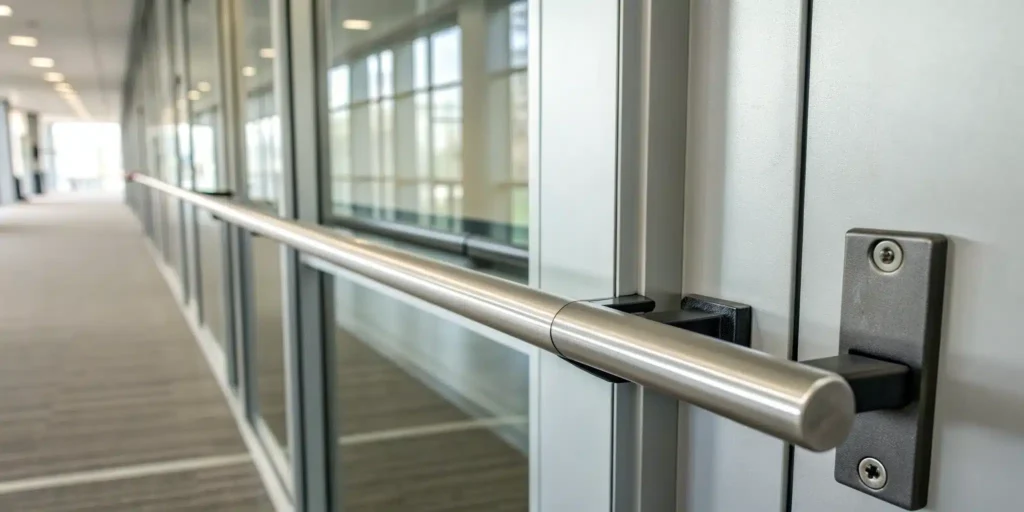
Panic bar installation on a commercial door.

When it comes to building maintenance, it’s tempting to roll up your sleeves and tackle projects yourself. But while fixing a leaky faucet is one thing, installing critical safety hardware is another matter entirely. A panic bar is a specialized device engineered for emergencies, and its effectiveness hinges on a perfect fit and flawless function. The process involves more than just a few screws; it requires precision, knowledge of door types, and an understanding of local safety codes. This guide breaks down the process of a panic bar installation to help you understand what the job entails, so you can make an informed decision about how to best secure your property’s exits.

Key Takeaways

  • Compliance Comes First: A panic bar is a required safety device, not an optional accessory. Always select a UL-certified model that meets local NYC building codes to ensure the safety of your occupants and avoid potential fines.
  • Match the Hardware to Your Door: The effectiveness of a panic bar depends entirely on choosing the right type for your door’s material, size, and traffic level. A correct fit is essential for a secure and reliable installation.
  • Routine Maintenance Prevents Emergencies: Treat your panic bar like any other piece of safety equipment with regular checks. Simple cleaning, lubrication, and tightening loose screws will keep it functioning smoothly and extend its lifespan.

What Is a Panic Bar and Why Is It Important?

If you own a commercial property, the safety of your employees and customers is always top of mind. A panic bar—also known as a crash bar or exit device—is a fundamental piece of that safety puzzle. Think of it as the ultimate one-way street for an emergency exit. It’s a spring-loaded metal bar fixed horizontally to a door that unlatches the lock when you push it. During an emergency, like a fire, this allows a large number of people to exit quickly without fumbling with a traditional doorknob or key. It’s not just a good idea; it’s often a legal requirement for businesses to ensure a clear and fast path to safety.

What Are the Parts of a Panic Bar?

At first glance, a panic bar looks simple, but a few key parts work together to keep your building both safe and secure. The most obvious part is the push bar or touchpad that you press to open the door. This action retracts the main latch, allowing the door to swing open. But what keeps someone from just walking in from the outside? That’s where the deadlatch comes in. This special secondary latch ensures the door remains locked from the outside, even when the panic bar is used for an exit. This clever mechanism provides a seamless exit while maintaining your building’s security.

Different Types of Panic Bars

Panic bars aren’t a one-size-fits-all solution; the right type depends on your door. The most common style is the Rim panic bar, which is mounted on the surface of the door and latches to a strike on the door frame. They are versatile and work on most sturdy doors. For pairs of doors or doors up to eight feet tall, you might need a Surface Vertical Rod panic bar, which has rods that latch at the top and bottom of the door frame. For a sleeker look, especially on metal doors, Concealed Vertical Rod panic bars hide the hardware inside the door itself, though they are more complex to install.

Meeting Local Building Codes

When it comes to safety hardware, you can’t just pick what looks best. New York City has specific building codes that dictate when and where panic bars are required, and these rules are non-negotiable. Factors like your building’s occupancy, its use, and the specific exit route all play a role in determining what type of hardware you need. Following these regulations is essential for avoiding fines and, more importantly, for ensuring your building is truly safe in an emergency. A professional commercial locksmith can help you understand and meet all local requirements for your property.

Staying Compliant with Safety Standards

Beyond local codes, it’s also important to use hardware that meets established safety standards. Look for products that are UL (Underwriters Laboratories) certified. This certification means the panic bar has undergone rigorous testing to ensure it will perform reliably under stress. Using UL-listed hardware gives you peace of mind that your exit devices won’t fail when you need them most. Investing in high-quality, certified parts is a critical step in creating a secure and compliant safety plan for your business, integrating seamlessly with your overall security systems.

How to Choose the Right Panic Bar

Picking the right panic bar feels like a big decision, and it is—it’s a crucial piece of your building’s safety and security plan. But it doesn’t have to be overwhelming. The key is to think beyond the hardware itself and consider how it fits into your specific space. You’ll want to look at the door it’s going on, the environment it will be in, and how it connects with your existing security measures. It’s about finding that sweet spot where safety, functionality, and budget all meet. Let’s walk through the essential factors to help you make a confident choice.

Check Your Door’s Compatibility

First things first: not every panic bar can be installed on every door. The type of door you have is the most important factor in determining which panic bar will work. A panic bar designed for a metal door might not be suitable for a wooden or glass one, and vice versa. You need to consider the door’s material, thickness, and frame construction. Before you buy, check the manufacturer’s specifications for the panic bar to ensure it’s compatible with your door type. Getting this right from the start prevents headaches and ensures a secure fit. If you’re unsure about your door’s specs, our team can help with any door repair and installation questions.

Consider Your Environment

Think about where the door is located and how often it’s used. A panic bar on a main exit in a busy Manhattan retail store will face a lot more wear and tear than one on a rarely used emergency exit in a small office. For high-traffic areas, you’ll need a heavy-duty model made from durable materials that can withstand constant use. You should also consider the width of the door to ensure the bar is the correct length for easy access. The goal is to choose hardware that not only meets code but is also built to last in its specific environment, making it a reliable feature for your commercial locksmith needs.

Integrate with Your Security System

A panic bar doesn’t have to be a standalone device. Modern panic bars can be integrated with your building’s broader security system for an added layer of protection. For example, you can connect them to an alarm that sounds whenever the bar is pushed, alerting you to an unauthorized exit. Some systems allow for remote monitoring or can be paired with electronic access control, letting you manage entry from the outside while always allowing free exit from the inside. Integrating your hardware is a smart way to enhance your property’s overall security systems and gain more control over who comes and goes.

Balance Cost and Quality

While it’s always tempting to go for the most budget-friendly option, a panic bar is an investment in safety. The cheapest model might save you money upfront, but if it fails during an emergency or breaks down from regular use, the costs could be far greater. Focus on finding a durable, reliable product that is compatible with your door and meets all safety codes. Remember that professional installation is part of the overall value—it ensures the device is fitted correctly and functions flawlessly when you need it most. Investing in quality hardware is a key step in preventing a crisis and avoiding a call to an emergency locksmith down the line.

What You’ll Need Before You Start

Proper preparation is the secret to a smooth and successful installation. Before you even think about picking up a drill, taking a few moments to get organized will save you a ton of time and frustration. Think of it as setting the stage for a project you can be proud of. By gathering your tools, marking your measurements carefully, and prepping your workspace, you’re ensuring the panic bar not only fits perfectly but also functions reliably for years to come. Let’s walk through exactly what you need to do before you begin.

Gather Your Tools and Materials

First things first, let’s get your toolkit ready. The good news is you likely won’t need anything too specialized. Most panic bar installations require just a few common tools: a power drill with the right bits, a set of screwdrivers, a measuring tape, a pencil, and a level. Before you start, open the box for your new panic bar and lay out all the parts. Check them against the manufacturer’s inventory list to make sure nothing is missing. It’s always a smart move to have everything you need within arm’s reach so you can stay focused on the task at hand.

How to Measure and Mark Your Door

This is where precision really counts. “Measure twice, drill once” isn’t just a saying—it’s your key to getting this right. Start by finding and marking the horizontal and vertical center lines on your door where the panic bar will be positioned. Your panic bar kit should come with a paper template; tape it securely to the door, using your level to ensure it’s perfectly straight. Once it’s in place, use your pencil to carefully mark where you’ll need to drill the screw holes. Taking your time on this step prevents crooked hardware and ensures your door remains in great shape. If you run into any issues with the door itself, professional door repair and installation services can help.

Your Safety Gear Checklist

Safety should always be your top priority. At a minimum, you’ll want a pair of safety glasses to protect your eyes from any dust or debris that gets kicked up during drilling. It’s also a good idea to wear a pair of gloves to protect your hands. Make sure your work area is clear of any tripping hazards and that you have good lighting. Properly installing door hardware is a big responsibility, especially in a business setting where it’s critical for safety and compliance. For businesses looking to ensure their exits are secure and up to code, our commercial locksmith team is always here to help.

Prep the Door Surface

A clean surface is essential for a secure and flush installation. Before you mount any hardware, take a moment to wipe down the entire area of the door where the panic bar will be installed. A soft, damp cloth is usually all you need to remove any dust, grime, or oil that could interfere with the fit. Just be sure to let the surface dry completely before you start drilling or attaching any components. This simple step ensures the panic bar sits perfectly against the door, giving you a clean, professional finish and a more secure attachment.

How to Install a Panic Bar, Step by Step

Alright, you’ve chosen your panic bar and you’re ready to get it on the door. Installing a panic bar correctly is crucial for it to function properly in an emergency. While it might seem like a big job, breaking it down into smaller steps makes it much more manageable. Remember to follow the specific instructions that came with your model, as they can vary. If you ever feel unsure, remember that a professional installation ensures everything is up to code and working perfectly.

For business owners, ensuring your exits are safe and compliant is a top priority. A properly installed panic bar is a key part of your building’s safety system. Let’s walk through the general process together.

Step 1: Install the Mounting Hardware

First things first, you need to figure out exactly where the panic bar will live on your door. Grab the template that came with your device and find the horizontal and vertical center lines on the door. Line up the template with your marks, then use it to pinpoint where you need to drill the screw holes. Take your time with this step—accurate measurements are the foundation of a successful installation. Once you’ve marked everything, go ahead and carefully drill the holes for the mounting hardware.

Step 2: Secure the Panic Bar

Now it’s time to attach the main event: the panic bar itself. Carefully connect the main assembly to the door, making sure it lines up correctly with any outside trim or handles. Start putting in the screws to hold the bar in place, but here’s a pro tip: don’t tighten them all the way just yet. Leaving them slightly loose gives you a little wiggle room for adjustments in the next steps. You want to make sure everything is perfectly aligned before you secure it completely.

Step 3: Set Up the Latch and Strike Plate

With the bar mounted, the next piece of the puzzle is the strike plate, which attaches to the door frame. This is what the latch will catch on to keep the door closed. Gently close the door and check that the bolt from the panic bar fits perfectly into the strike plate. The goal is a snug fit that allows the door to latch securely without rattling or sticking. You may need to make small adjustments to the strike plate’s position to get it just right.

Step 4: Test and Make Final Adjustments

You’re in the home stretch! Before you call it a day, you need to test everything thoroughly. Push the touch bar to make sure it retracts the latch smoothly. If your model has a “dogging” feature (which lets you keep the latch held open), test that as well. Check any exterior handles or trim to ensure they operate correctly. Once you’re confident everything is working as it should, go back and tighten all the screws. Give the bar one last push to confirm it’s secure and functioning perfectly.

What to Do If You Run Into Problems

Even with careful installation, you might hit a snag. Common issues include the latch not aligning with the strike plate, the mechanism feeling stiff, or the door not closing properly. These problems often stem from minor misalignments or mechanical issues. If you’ve double-checked your work and something still feels off, it’s best not to force it. For complex issues or if you want peace of mind that the job is done right, calling a commercial locksmith is your best bet. A professional can quickly diagnose the problem and ensure your panic bar is safe, secure, and compliant.

How to Maintain and Troubleshoot Your Panic Bar

Once your panic bar is installed, a little regular attention will keep it working correctly for years. Think of it like any other essential safety feature in your building—it needs routine checks to ensure it’s ready when you need it most. Proper maintenance not only extends the life of the hardware but also guarantees it functions smoothly during an emergency. By creating a simple schedule and knowing what to look for, you can handle minor issues yourself and know exactly when to call for backup.

Create a Regular Maintenance Schedule

The best way to prevent a panic bar from failing is to check on it regularly. You don’t need to be a locksmith to do a basic inspection. Set a reminder to check your panic bars every few months. During your check, push the bar to make sure it unlatches the door smoothly and without resistance. Listen for any unusual grinding or scraping sounds.

Also, take a moment to check that all the mounting hardware is tight and secure. While these general steps apply to most models, it’s always a good idea to consult the manufacturer’s specific maintenance guidelines. A consistent schedule helps you catch small problems before they become serious safety risks.

Tips for Cleaning and Lubrication

Keeping your panic bar clean and lubricated is one of the easiest ways to ensure it works properly. Over time, dust, grime, and fingerprints can build up and interfere with the mechanism. Simply wipe the surface down with a soft, damp cloth to keep it clean. Avoid harsh chemicals that could damage the finish.

For the moving parts, a little lubrication goes a long way. Use a silicone-based lubricant to spray the latching components and any other moving pieces. This prevents sticking and ensures the release is quick and effortless. A well-lubricated panic bar is a reliable one, giving you peace of mind that it will function correctly in a critical moment.

How to Fix Common Problems

Even with regular maintenance, you might run into a few common issues. Misalignment is a frequent problem, often caused by the door shifting over time. You might notice the latch isn’t catching the strike plate correctly. Another common issue is loose mounting hardware from the constant vibration of the door opening and closing. Periodically check and tighten any loose screws to keep the bar secure.

While you can fix these minor problems yourself, mechanical failures inside the bar are more complex. If the bar feels stiff, won’t depress, or doesn’t retract the latch, it’s a sign of an internal issue that requires an expert. For these situations, it’s best to call a professional commercial locksmith.

When to Call a Professional for an Inspection

While your own checks are helpful, having a professional inspect your panic bars annually is a smart move, especially for a business. A trained locksmith can spot subtle signs of wear and tear that you might miss. They can also confirm that your hardware is still compliant with local fire codes and safety regulations, which is essential for avoiding fines and ensuring the safety of everyone in your building.

A professional can also assess the condition of the entire exit system, including the door and frame. Sometimes, a problem that seems to be with the panic bar is actually related to the door itself. If you suspect an issue, a professional can provide a full assessment and handle any necessary door repair and installation.

Know When It’s Time to Replace Parts

Panic bars are built to last, but they aren’t invincible. There are clear signs that a part—or the entire unit—needs to be replaced. If you notice a stiff or delayed release when you push the bar, it’s a major red flag. Unusual scraping or grinding sounds also indicate that internal components are worn out and failing.

Another telltale sign is loose mounting hardware that continues to rattle or loosen even after you’ve tightened it. These issues suggest the hardware has reached the end of its functional life. Ignoring these warnings can compromise your building’s safety. If you notice any of these problems, it’s time to call an emergency locksmith to replace the faulty parts immediately.

Related Articles

Frequently Asked Questions

Can I install a panic bar myself, or should I hire a professional? While it’s possible to install a panic bar yourself if you’re experienced with door hardware, this is one job where I strongly recommend calling a professional. A panic bar is a critical safety device, and an incorrect installation could fail during an emergency or violate local building codes. A professional locksmith will ensure the hardware is installed perfectly, functions smoothly, and meets all of New York City’s strict safety regulations.

Are panic bars legally required for my business? In many cases, yes. New York City building and fire codes often require panic bars in commercial spaces, especially in buildings with a certain number of occupants or specific uses, like restaurants, schools, or theaters. The rules depend on factors like your building’s capacity and the designated exit routes. To be certain you’re compliant, it’s best to have a commercial locksmith assess your property and confirm you meet all local requirements.

How does a panic bar keep my building secure from the outside? This is a great question because it gets to the heart of the device’s design. A panic bar is built for safe exit, not entry. The mechanism is designed to retract the latch from the inside when pushed, but it remains securely locked from the outside. Many models are paired with exterior trim that has no handle at all, or one that requires a key to operate, ensuring that your building remains secure against unauthorized entry.

My panic bar feels stiff when I push it. What’s the first thing I should check? If the bar feels stiff or sticky, the first thing to try is lubricating the moving parts. Use a silicone-based spray on the latch and any visible hinges or mechanisms. Often, a little lubrication is all it takes to get things moving smoothly again. If that doesn’t solve the problem, the issue could be more serious, like an internal mechanical failure or a door alignment problem, and it’s time to call a professional for a closer look.

How often do my panic bars need to be professionally inspected? Even if your panic bars seem to be working fine, it’s a smart practice to have them professionally inspected at least once a year. A trained locksmith can spot subtle wear and tear that could lead to a failure down the road. An annual inspection also ensures you remain compliant with evolving fire codes, giving you confidence that your exits are safe, secure, and ready for any situation.

Need professional help in NYC? Contact Golden Key Locksmith NYC for Emergency Locksmith Manhattan or 24/7 Apartment Lockout. Available 24/7 across Manhattan and all NYC boroughs.

Related: how a push bar door lock mechanism works