

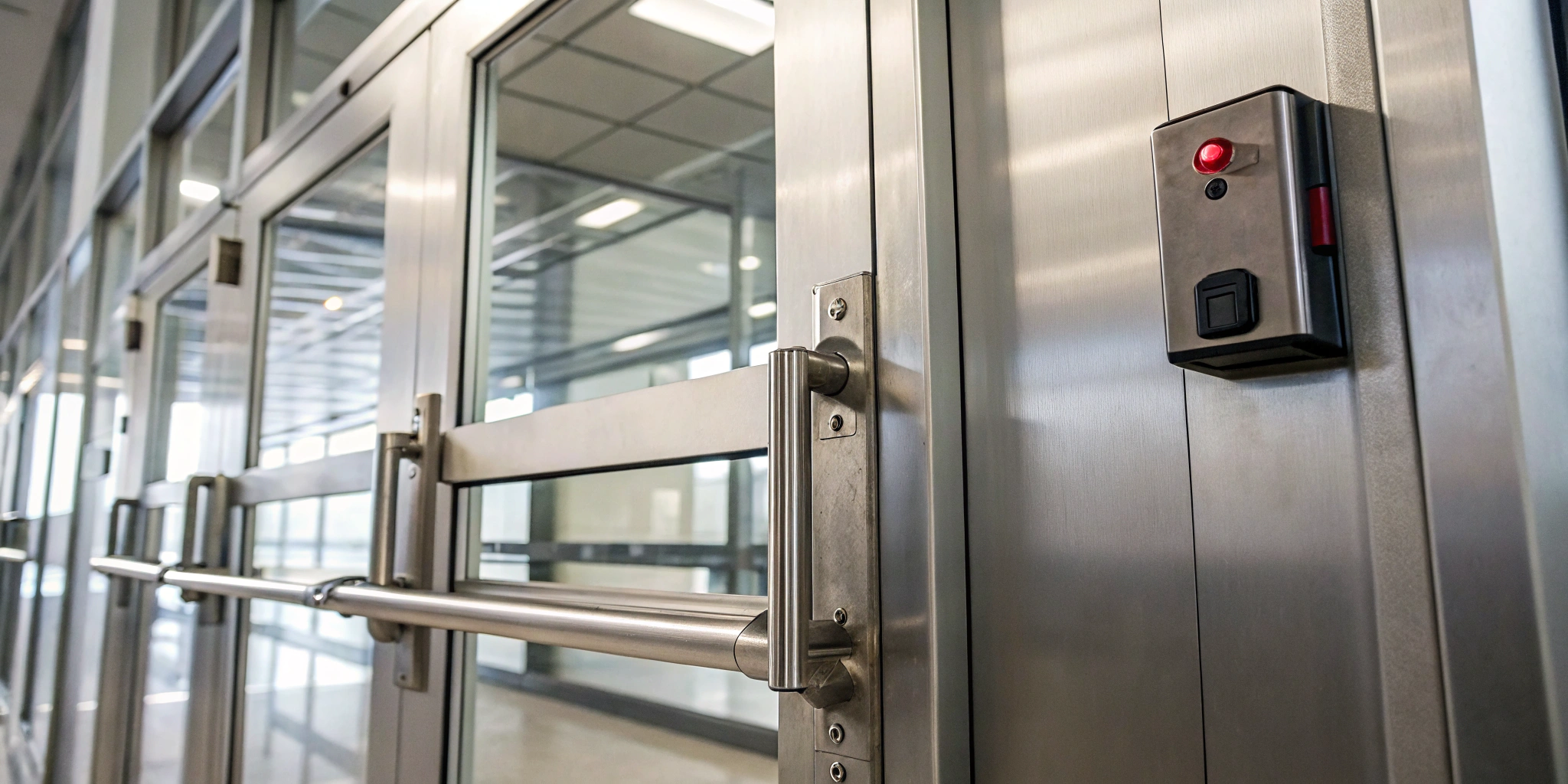
When you’re designing a commercial space, every detail matters—right down to the door handles. You want hardware that complements your aesthetic, but when it comes to exit doors, function has to come first. This often leads to the ‘panic bar vs push paddle exit devices’ dilemma. Do you go with the robust, unmissable panic bar or the sleek, minimalist push paddle? While one might look better in your modern office, the other might be the only suitable option for your high-traffic entryway. This guide will help you find the perfect balance between form and function, breaking down the pros and cons of each so you don’t have to sacrifice safety for style.
Key Takeaways
- Choose Hardware Based on How Your Space Is Used: Panic bars are built for the constant use and chaotic potential of high-traffic public spaces like schools or theaters. For quieter, interior doors in offices, a push paddle offers a clean aesthetic without sacrificing safety.
- Understand the Codes to Ensure Safety and Legality: Your decision isn’t just about preference; it’s about the law. Buildings with an occupancy of 50 or more people typically require panic bars to meet fire and safety codes, so always verify local NYC regulations.
- Factor in Security, Not Just Exiting: While both devices allow for safe egress, panic bars often provide superior protection against forced entry. Models with vertical rods secure the door at the top and bottom, making them a much tougher target for break-ins.
What Are Panic Bars and Push Paddles?
If you own a commercial property in NYC, you’ve definitely seen panic bars and push paddles on exit doors, even if you didn’t know their official names. Both are types of exit devices designed to let people get out of a building quickly and safely during an emergency, but they look and function a bit differently.
A panic bar—also called a crash bar or push bar—is that long, horizontal bar you push to open an exit door. It’s a crucial life-safety feature, especially in places with lots of foot traffic like schools, theaters, and retail stores. The whole point is to provide a foolproof way for a crowd to exit without fumbling with a traditional doorknob.
A push paddle is a smaller, flatter handle that you press to open a door. You’ll often find these on interior doors in office buildings or clinics where traffic is lighter. They offer a cleaner, more streamlined look and can come with more electronic options than the classic crossbar style, making them a great fit for modern security systems. Both are essential for keeping your building safe and compliant with local codes.
How Panic Bars Are Designed to Work
The genius of a panic bar is its simplicity, especially when things get chaotic. Inside the door, a spring-loaded metal bar is connected to the latch. When you push on the bar—even with just your body weight in a panicked rush—it instantly retracts the latch, allowing the door to swing open. This design ensures people can exit from the inside without needing a key or any special knowledge. In a situation with low visibility from smoke or a power outage, you don’t need to find a small knob; you just push against the door, and the bar does the rest.
How Push Paddles Are Designed to Work
Push paddles operate on a similar principle to panic bars but with a different look and feel. Instead of a long bar, you have a flat, wide pad. Pushing this pad engages the mechanism to unlatch the door. While they provide the same essential function of keyless exiting, push paddles often have more advanced features. Many can be integrated with access control systems to signal when an exit is used or to show if the door has been intentionally propped open. This makes them a smart choice for business owners who need to balance easy exits with day-to-day security.
How Do Panic Bars and Push Paddles Actually Work?
At first glance, panic bars and push paddles might seem like completely different pieces of hardware. One is a long bar, the other a flat plate. But when it comes to their core job—getting people out of a building safely and quickly—they operate on a very similar principle. It all comes down to a simple, intuitive push that releases the door latch without any fumbling for knobs or keys. Let’s break down exactly what’s happening behind the scenes when you use one.
The Mechanics of a Panic Bar
Think of a panic bar as a straightforward life-saving tool. It features a long, horizontal bar that spans much of the door’s width. Inside the door, this bar is connected to a spring-loaded mechanism. When you or a crowd of people push against the bar during an emergency, the pressure instantly retracts the latch bolt from the door frame. This allows the door to swing open immediately, preventing dangerous crowding and delays when every second counts. This simple but effective design is why they are a staple for emergency exits in busy public spaces. Our commercial locksmith team frequently installs and services these devices to keep businesses safe and compliant.
The Simple Action of a Push Paddle
A push paddle works on the same fundamental concept as a panic bar but with a more compact and subtle design. Instead of a long bar, it has a flat, rectangular pad. When you press this pad, it triggers the same internal unlatching mechanism, allowing the door to open with a single push. Because of their less obtrusive look, push paddles are often chosen for interior doors or exits in spaces that see less foot traffic, like private offices or smaller retail shops. They offer the same one-motion exit convenience and are a key component of a building’s overall security systems, ensuring a safe and easy egress path without compromising on aesthetics.
Panic Bar vs. Push Paddle: What’s the Real Difference?
When you’re outfitting a commercial building, choosing the right exit hardware might seem like a small detail, but it’s a critical one for safety and daily flow. Both panic bars and push paddles are designed to allow people to exit easily, especially during an emergency, but they aren’t interchangeable. They differ in their appearance, how they’re used, and how well they stand up to daily wear and tear. Understanding these key distinctions will help you decide which one is the right fit for your space, ensuring you meet safety codes while matching your building’s needs. As a business owner, getting your commercial locksmith services right from the start saves you headaches down the road. Let’s break down what really sets them apart.
Look and Feel
At first glance, the most obvious difference is how they look. A panic bar, also known as a push bar or crash bar, is a long, horizontal bar that typically spans the width of the door. It’s prominent and clearly signals “push here to exit.” You’ll see these everywhere, from movie theaters to schools. A push paddle, on the other hand, is a much smaller, flatter handle. It offers a cleaner, more minimalist aesthetic that can blend in with modern decor. Because of its sleeker design, you’ll often find push paddles on interior doors within an office building or on secondary exits where traffic is lighter and the look is more important.
Ease of Use
This is where the two devices really diverge, especially when you think about their primary purpose: emergency egress. A panic bar is designed to be foolproof under pressure. In a chaotic situation where people are rushing and visibility might be low, you don’t have to think—you just push against the door, and the bar disengages the latch. A push paddle requires a more precise action. You have to locate the paddle and press it specifically, which can be challenging in a true emergency. That intuitive, body-pressure operation is why panic bars are often mandated for high-occupancy areas. The right hardware is a key part of your building’s overall security systems.
Durability for High-Traffic Areas
Think about the main entrance of a busy high school or a popular retail store. Those doors see constant use—and abuse. Panic bars are built for this. They are incredibly durable because the force of someone pushing is distributed across the entire length of the bar, putting less strain on the mechanism. Push paddles, with their smaller contact point and mechanism, can wear out more quickly in high-traffic environments. The concentrated pressure can lead to mechanical issues over time. Choosing the right hardware from the start helps you avoid the need for frequent door repair and installation, ensuring your exits work reliably for years to come.
Staying Safe and Compliant: Which Rules Apply?
Choosing the right exit device for your business isn’t just about aesthetics or convenience—it’s a matter of safety and legal compliance. Navigating the rules can feel a bit overwhelming, but they exist for a very important reason: to ensure everyone can exit a building quickly and safely during an emergency. From local building codes to federal accessibility standards, several regulations determine what kind of hardware you need. Getting this right protects your employees, customers, and your business itself. Working with a professional commercial locksmith is the best way to ensure your doors are up to code and your space is secure.
Meeting Local Building Codes
The first place to start is with your local regulations. In New York City, building codes can be very specific about where panic hardware is required. As a general rule, the International Building Code (IBC) mandates panic bars in buildings with an occupancy of 50 or more people. This applies to spaces like schools, theaters, large restaurants, and assembly halls where a crowd could form. For these high-occupancy areas, a push bar is non-negotiable. Because rules can vary, it’s always a smart move to check the specific requirements for your building type to avoid fines and ensure you’re providing a safe exit path.
Understanding UL 305 Safety Standards
When you’re looking at exit hardware, you’ll likely see a “UL Listed” mark. This is a sign of quality and safety you should always look for. Underwriters Laboratories (UL) is a third-party organization that tests products to make sure they meet strict safety standards. For exit devices, the key standard is UL 305, which certifies that the hardware can withstand the pressure of an emergency situation without failing. If the door is also fire-rated, the hardware must meet an additional standard, UL 10C, which ensures it will function properly during a fire. This certification is your assurance that the device will work when it matters most.
Following ADA Accessibility Guidelines
Making sure your building is accessible to everyone is not just good practice—it’s the law. The Americans with Disabilities Act (ADA) has clear guidelines for door hardware to ensure people with disabilities can open them easily. Exit devices must be operable with one hand and require minimal force, without any tight grasping or twisting of the wrist. This is why panic bars and push paddles are excellent choices for accessible routes. The hardware also needs to be durable enough for frequent use, with some standards requiring it to withstand half a million cycles. Proper door repair and installation ensures your exit routes are both safe and accessible for all.
How to Choose the Right Exit Device for Your Space
Picking the right exit device isn’t just about following rules; it’s about matching the hardware to the real-world demands of your building. The flow of people, the level of security you need, and the primary use of the space all play a huge role in your decision. A device that’s perfect for a quiet office could be completely wrong for a busy school or a high-security warehouse. Let’s break down which device works best for different environments so you can make a choice that keeps people safe and your property secure.
Best for Schools and Public Venues
Think about a crowded school hallway between classes or a packed theater lobby after a show. In these places, you need an exit that is obvious and effortless for anyone to use, especially during an emergency. This is where panic bars shine. They are specifically designed for quick and easy exits, making them the go-to choice for any public venue where large crowds might need to get out fast. The long bar is intuitive—you just push it, and the door opens. This simple mechanism is vital for ensuring a smooth and swift evacuation, which is why it’s a non-negotiable feature for most public assembly spaces. Our commercial locksmith team can help you determine the exact requirements for your venue.
Best for Busy Commercial Spaces vs. Quiet Offices
Not all commercial spaces are created equal. For a high-traffic retail store or a warehouse where doors are constantly in use, you need hardware that can take a beating. A sturdy push bar is built for these rough environments. On the other hand, a push paddle is often a great fit for areas with less foot traffic, like an internal office door. It offers a clean look and is perfectly functional for a setting where the door isn’t being opened every few seconds. The key is to assess your daily traffic and choose a device that can handle the load while still meeting local building codes. Proper door repair and installation ensures your chosen device works flawlessly from day one.
Best for High-Risk Environments
When protecting your property from break-ins is a top priority, your exit device needs to do more than just let people out. While both panic bars and push paddles provide safe egress, panic bars often have a clear security advantage. Many models can be equipped with stronger locking systems, such as vertical rods that secure the door at both the top and bottom of the frame. This multi-point locking makes the door significantly harder to pry open. For businesses that handle valuable inventory or data, this added protection is essential. Integrating this type of hardware is a critical part of your building’s overall security systems.
The Pros and Cons of Each Exit Device
Choosing between a panic bar and a push paddle comes down to your building’s specific needs, from foot traffic to security concerns. Both are great options for ensuring a safe exit, but they shine in different situations. Let’s break down the good and the bad for each so you can feel confident in your decision.
Panic Bars: The Good and The Bad
When you need to get a lot of people out of a building quickly and safely, panic bars are the go-to solution. Their main advantage is how intuitive they are to use in an emergency. Even in a panicked or low-visibility situation, you just push against the bar, and the door opens. They are built tough to handle constant use in high-traffic places like schools and warehouses, spreading the force across the entire bar. For added security, many commercial locksmith solutions.
Push Paddles: The Good and The Bad
If aesthetics are a top priority for your office or retail space, you might lean toward push paddles. They have a clean, low-profile look that blends seamlessly with the door, which many architects and designers prefer. Push paddles are often less expensive to purchase and install, and they offer more flexibility for electronic integrations, like connecting to an access control system. While they are perfectly safe and compliant for many applications, they might not be as durable as panic bars in environments with very heavy or rough use. The smaller push point means the force isn’t as distributed, but for a standard office, they offer a great balance of style, function, and security.
Common Myths About Exit Devices, Busted
When it comes to exit hardware, a few common misconceptions can lead to confusion—and potentially the wrong choice for your building. Let’s clear the air and look at what’s fact and what’s fiction so you can make an informed decision for your property’s safety and security.
Myth: They’re All Equally Safe
It’s easy to assume that any device designed for an emergency exit offers the same level of safety, but that’s not quite the full picture. While both panic bars and push paddles are designed for safe egress, their security against forced entry can vary. Panic bars are incredibly intuitive; in a high-stress situation like a fire, you just push the bar to get out. However, certain push bar models offer superior security features, like vertical rods that lock the door at the top and bottom. This multi-point locking system makes the door much harder to pry or force open, providing a stronger defense for your commercial property. So, while both are safe for exiting, one might be much more secure against break-ins.
Myth: Any Device Will Meet Compliance Codes
This is a risky assumption to make. Building and fire codes are extremely specific about what type of exit hardware is required, and simply installing any device won’t guarantee you’re compliant. For example, many building codes mandate panic bars for assembly areas, schools, or any space with an occupancy of 50 or more people. These regulations are in place to ensure everyone can evacuate quickly and safely during an emergency. Since codes can differ between states and even cities, it’s essential to know the exact requirements for your NYC location. Proper door hardware installation isn’t just about function—it’s about meeting legal safety standards.
What to Expect for Cost and Maintenance
Choosing the right exit device isn’t just about function and compliance; it’s also a financial decision. The initial price tag is only part of the story. You also need to consider the long-term commitment to keeping the hardware in safe, working order. Thinking about both the upfront investment and ongoing care will help you make a choice that fits your budget and keeps your building secure for years to come.
Upfront Investment: Purchase and Installation
When it comes to the initial purchase and installation, push paddles are typically the more budget-friendly option. The hardware itself is often less expensive, and the installation can be simpler, which may reduce labor costs.
Panic bars, on the other hand, usually come with a higher price tag. This is especially true for models with advanced features like vertical rods for extra latching points or electronic components for access control integration. While the cost is higher, it’s important to remember that panic bars are often a required safety feature in high-occupancy buildings like schools, theaters, and large retail spaces. A professional commercial locksmith can help you figure out which device your building needs to meet local codes and provide a clear quote for installation.
Ongoing Care: Regular Maintenance and Testing
Once your exit device is installed, the job isn’t quite done. Both panic bars and push paddles need regular check-ups to ensure they function correctly, especially in an emergency. The moving parts and any electronic features should be tested periodically to make sure nothing is sticking, loose, or failing.
Panic bars are built for heavy use—some are even tested to withstand 500,000 cycles—but that durability depends on proper upkeep. A simple monthly check can catch minor issues before they become serious problems. If you do find something wrong, or if you want a professional to handle routine inspections, our team can help with door repair and installation to keep your exits safe and reliable.
Related Articles
- The 6-Step Balanced Door Hardware Installation Guide
- A Guide To Balanced Doors For Historic Buildings
- Commercial Door Services
Frequently Asked Questions
How do I know if my business is legally required to have a panic bar? The general rule of thumb, based on the International Building Code, is that you’ll need a panic bar in any area with an occupancy of 50 or more people. This often includes places like restaurants, schools, and large retail stores. However, New York City codes can be very specific, so it’s always best to confirm the exact requirements for your type of business to ensure you’re fully compliant and your patrons are safe.
Is a panic bar more secure against break-ins than a push paddle? While both devices are designed for safe and easy exiting, a panic bar often provides better security against forced entry. Many panic bar models can be fitted with vertical rods that lock the door at the top and bottom of the frame. This multi-point locking system makes the door significantly more resistant to being pried open, offering a clear advantage for businesses concerned with security.
Can I use a push paddle on a main exit door? You can, but it really depends on the type of building and how much foot traffic you get. A push paddle is a great, stylish option for an interior office door or a secondary exit in a low-traffic environment. For a busy main entrance, however, a panic bar is almost always the better choice because it’s built to withstand constant use and is more intuitive for a crowd to operate in an emergency.
How often should I have my exit devices inspected? It’s a good practice to do a quick monthly check yourself—just push the bar or paddle to make sure the latch retracts smoothly and the door opens without sticking. Beyond that, having a professional locksmith inspect your exit hardware annually is a smart move. They can spot wear and tear you might miss and ensure all components are working perfectly, which is critical for both safety and compliance.
What’s the biggest mistake people make when choosing an exit device? The most common mistake is choosing a device based on looks or price alone, without considering the building’s actual needs. A sleek push paddle might look great, but it could fail quickly if installed on a high-traffic door. Similarly, opting for a cheaper model might save money upfront but could violate local codes or fail in an emergency. The best approach is to match the hardware to your building’s foot traffic, security needs, and legal requirements.
Need professional help in NYC? Contact Golden Key Locksmith NYC for Metal Door Installation or Sliding Door Services. Available 24/7 across Manhattan and all NYC boroughs.
Related Articles
- The Ultimate Balanced Door Maintenance Guide
- Automatic vs. Manual Revolving Doors: Which Is Right?
- How to Pick an Automatic Door Closer with Sensor
- A Guide to Panic Bar Code Requirements in NYC
Related: internal mechanism of panic bars