Fraud Blocker

Panic bar installation costs

Door
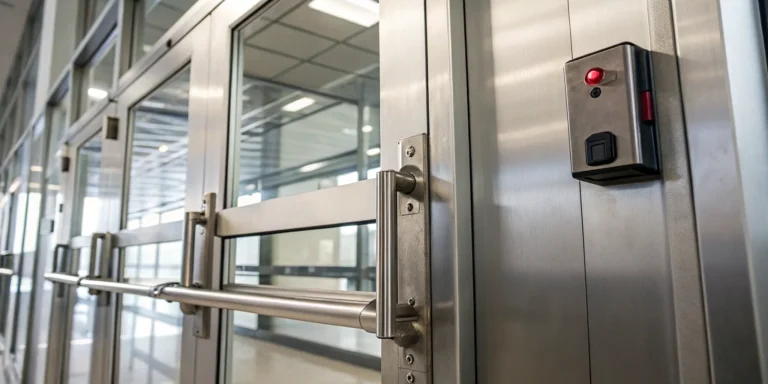
A completed panic bar installation on a commercial glass door.

Getting a quote for a new panic bar seems straightforward, but the number on that initial estimate doesn’t always tell the whole story. The true cost of this essential safety feature goes beyond just the hardware and the initial labor. To budget accurately, you also need to consider potential long-term expenses like regular maintenance, mandatory annual inspections, and any additional hardware needed to make the system work perfectly. A comprehensive view of panic bar installation costs includes these ongoing commitments. This guide is designed to give you a complete picture, helping you understand the full investment required to keep your property safe, compliant, and secure for years to come, so you can make a smart financial decision without any hidden surprises.

Key Takeaways

  • Leave Installation to the Experts: A panic bar is a critical life-safety device, not a weekend DIY project. Professional installation is the only way to guarantee it meets strict NYC fire codes, functions flawlessly in an emergency, and protects your business from liability.
  • Look Beyond the Initial Quote: The final price includes more than just the hardware. Factors like the type of bar, your door’s condition, and necessary permits all affect the cost. Remember to plan for ongoing expenses like inspections and future maintenance for a complete budget.
  • Prioritize Ongoing Upkeep for Reliability: Your panic bar needs regular attention to work when it matters most. Perform simple monthly checks to ensure it operates smoothly and schedule professional inspections twice a year to catch small problems before they become serious safety risks.

What Is a Panic Bar and Why Do You Need One?

If you own or manage a commercial property in New York City, the safety of your employees and customers is always top of mind. One of the most critical, yet often overlooked, pieces of safety hardware is the panic bar. You’ve seen them everywhere—those horizontal bars on the exit doors of theaters, restaurants, and office buildings. Also known as a crash bar or an exit device, this hardware is designed for one primary purpose: to allow a large number of people to exit a building quickly and safely during an emergency.

A panic bar is a spring-loaded metal bar fixed horizontally to the inside of an outward-opening door. When you push it, the door unlatches and opens, providing a fast, unobstructed exit. The genius of its design is its dual function. While it allows for easy egress from the inside, it keeps the door securely locked from the outside, preventing unauthorized entry. This makes it an essential component of any building’s security and safety plan. For any business, having properly installed and functioning exit devices is a non-negotiable part of your commercial locksmith strategy, ensuring you’re prepared for any situation.

How Panic Bars Work

The mechanics of a panic bar are beautifully simple. Instead of a traditional knob or lever, you have a long bar that spans most of the door’s width. In an emergency, like a fire, people rushing toward an exit don’t need to fumble with a small handle. They can simply push against the bar with their body, and the latch mechanism retracts, allowing the door to swing open. This intuitive, single-motion operation is crucial when visibility is low or a crowd is moving quickly. From the outside, the door remains a secure barrier, accessible only with a key, which protects your property after hours.

Meeting Safety and Legal Codes

Installing a panic bar isn’t just a smart safety measure; in many cases, it’s a legal requirement. Building codes in New York City mandate the use of panic hardware on exit doors in buildings with a certain occupancy load, such as schools, assembly halls, and large retail stores. These regulations are in place to prevent tragedies. A malfunctioning or improperly installed exit device can have serious consequences, not only for public safety but also for your liability as a property owner. Ensuring your hardware is up to code is essential, which is why professional door repair and installation is the only way to go. A professional can make sure your panic bars meet all current safety rules and are always in perfect working order.

What Factors Influence Installation Costs?

When you’re budgeting for a panic bar, it’s helpful to know that the final price isn’t just about the hardware itself. Several key factors come into play, from the type of bar you select to the specific details of your property. Understanding these variables will give you a much clearer picture of the total investment and help you avoid any surprises. Think of it less as a fixed price and more as a customized solution for your building’s safety and security needs.

For business owners in New York City, ensuring your property is up to code is a top priority. A professional installation guarantees that your panic bar not only functions correctly in an emergency but also meets all local regulations. Let’s break down the main elements that will shape your installation quote.

The Type of Panic Bar

Not all panic bars are created equal, and the model you choose is the biggest factor in your overall cost. There are several common types, each with a different price point and installation process. Rim-style bars are often the most straightforward and affordable, while mortise, surface vertical rod, and concealed vertical rod bars involve more complex mechanisms and labor. The more intricate the device, the more time and expertise it takes to install correctly, which is reflected in the price. Your choice will depend on your door type, security needs, and aesthetic preferences.

Your Door’s Material and Condition

The door itself plays a huge role in the installation process. What your door is made of—whether it’s wood, hollow metal, or glass with an aluminum frame—affects how the panic bar can be mounted. A standard metal door might be a simple job, but a glass door requires specialized techniques to avoid damage. The door’s current condition is also critical. If the door is warped, damaged, or not aligned properly, it will need repairs before the panic bar can be installed. Our technicians can handle any necessary door repair and installation to ensure a secure and functional fit.

Local Building Codes and Permits

Here in NYC, we have specific building and fire safety codes that you absolutely must follow. These regulations often dictate the exact type of hardware required for your building’s exits. Complying with these rules might mean choosing a specific grade of panic bar or adding other features, which can influence the cost. Following these codes can be tricky, but working with an experienced commercial locksmith ensures your installation is fully compliant from the start, saving you from potential fines and headaches down the road. It’s a necessary step to keep your employees and customers safe.

Job Site Accessibility

Finally, the logistics of the installation site can affect the labor costs. A straightforward, ground-floor entrance with plenty of space to work is different from a hard-to-reach door in a cramped hallway or a location that requires special equipment to access. If the job site is difficult to get to, it can add time to the installation process. Our team always assesses the location beforehand to provide an accurate quote that accounts for any accessibility challenges, ensuring a smooth and efficient installation day with no hidden fees.

How Much Does Panic Bar Installation Actually Cost?

Figuring out the budget for a panic bar installation can feel a bit like guesswork, but it doesn’t have to be. While every project is unique, understanding the typical price range and the factors that influence it will help you plan. The final cost comes down to a few key things: the type of hardware you choose, the complexity of the installation, and labor rates in your area. Let’s break down what you can generally expect to pay to secure your commercial space and ensure it meets safety standards.

The Price Range for a Standard Installation

For a straightforward panic bar installation, you can typically expect the cost to be between $200 and $600. This price range usually covers a basic, no-frills panic bar installed on a standard single door. Think of a simple push-bar mechanism on a metal or wood door that doesn’t require significant modifications. This is a common setup for small retail shops or offices that need to meet fire code regulations without needing advanced security features. A standard installation is a quick and effective way to improve the safety and compliance of your building’s emergency exits.

Costs for Premium or Complex Setups

If your needs are more complex, the price will naturally go up. Installing a panic bar with advanced features like alarms, electronic latch retraction, or integration with an access control system will increase the cost. Similarly, working with non-standard doors—like glass doors or custom-built entryways—requires more specialized labor and hardware. For these more involved jobs, costs can range from $500 to over $875. These premium setups are often necessary for larger buildings or businesses that need a higher level of security, making professional commercial locksmith services essential for a correct and secure installation.

How Labor and Location Affect Your Final Bill

Where your business is located plays a big role in the final cost. In a city like New York, labor rates are higher than in many other parts of the country. A qualified locksmith might charge at least $150 per hour for their expertise. The quality of the hardware also matters—while cheaper parts might save you money upfront, they can lead to more frequent repairs down the road. Investing in high-quality, durable hardware from a trusted professional ensures your panic bar functions reliably when you need it most, justifying a higher initial cost for long-term peace of mind.

Are There Hidden Costs to Consider?

When you get a quote for a panic bar installation, it’s easy to focus on that single number. But the initial price for the hardware and labor is just one piece of the puzzle. To get a true picture of the total investment, you need to account for a few other factors that can pop up during and after the installation. Thinking about these potential costs upfront helps you budget accurately and ensures your building remains safe and compliant for years to come. It’s about seeing the installation not as a one-time purchase, but as an ongoing commitment to safety.

From the extra hardware needed to make the system work flawlessly to the ongoing checks required by law, these aren’t “hidden fees” meant to trick you. Instead, they are essential components of a complete and responsible safety solution. A professional installer will be transparent about these needs, but it’s always good to know what to ask about. Understanding the full scope of the project, including long-term maintenance, allows you to make a smart, informed decision for your property. Let’s break down what else you should plan for so there are no surprises.

Additional Hardware and Permits

A panic bar doesn’t work alone; it’s part of an integrated door system. For it to function correctly, especially during an emergency, other parts of the door may need an upgrade. This can include installing heavy-duty hinges to support the door, a door closer to ensure it shuts and latches securely after someone exits, or even a new lock that’s compatible with the exit device. A professional assessment from a commercial locksmith will identify exactly what your specific door needs to create a safe and reliable exit route. Depending on your building and location, you may also need to secure permits, which adds another layer to the total cost.

Inspection and Compliance Fees

Installing a panic bar is a critical step for safety, but it’s not a one-and-done task. To keep your building compliant with local fire codes and standards from the National Fire Protection Association (NFPA), you’ll need regular professional inspections. Typically, these checks should happen at least twice a year. During an inspection, a certified technician verifies that the panic bar engages smoothly and that the door opens without effort. Budgeting for these recurring fees is essential for avoiding fines, ensuring your occupants’ safety, and maintaining the system’s integrity over time. Think of it as a small, ongoing investment in peace of mind.

Budgeting for Future Maintenance

Even the most durable hardware has a lifespan. With regular use and proper care, a panic bar can last about eight to ten years before it needs to be replaced. To get the most out of your investment, it’s wise to budget for future maintenance and eventual replacement. Scheduling routine service checks can help you catch small issues—like a loose screw or a misaligned latch—before they turn into major problems that require a full replacement or an emergency call. Proactive door repair and installation services will keep your exit hardware in top shape, extending its life and preventing unexpected expenses down the road.

DIY vs. Hiring a Pro: Which Is Right for You?

When you’re looking at a new piece of hardware, it’s natural to wonder if you can save some money by installing it yourself. While that can-do spirit is great for many projects, a panic bar isn’t just another door handle. It’s a critical piece of safety equipment. Deciding between a DIY project and calling a professional locksmith comes down to weighing cost against the absolute need for reliability and safety. Let’s break down what you need to consider.

Why Professional Installation Is a Matter of Safety

A panic bar has one job: to allow for a quick and easy exit during an emergency. If it fails, the consequences can be serious. Professional installation ensures the device not only works flawlessly but also complies with strict local building and fire codes. A licensed commercial locksmith understands the specific regulations in NYC and will make sure your installation is up to standard, protecting both the people in your building and you from potential liability. Think of it as an investment in peace of mind. When it comes to safety, there’s no room for guesswork; it has to be done right the first time.

Common DIY Mistakes to Avoid

Even with a detailed instruction manual, it’s easy to make a mistake during a DIY panic bar installation. One of the most frequent errors is simply ordering the wrong size or type of bar for your door, which can lead to an improper fit that compromises its function. Another common issue is misalignment. If the bar and the latch don’t line up perfectly, the door might not open when pushed, defeating the entire purpose of the device. These seemingly small mistakes can cause mechanical failures down the line, potentially requiring a full door repair and installation service to fix the damage.

When to Call in a Professional

While a simple rim-style panic bar might seem manageable, you should always call a professional for more complex types, like mortise or vertical rod devices. These require precise adjustments and a deep understanding of door mechanics. More importantly, consider the liability. If an improperly installed panic bar fails during an emergency, it can create a significant legal and financial problem for your business. Neglecting proper installation isn’t just a repair risk; it’s a safety and liability risk. If you’re ever in doubt or find yourself with a malfunctioning bar, calling an emergency locksmith ensures the job is handled correctly and quickly.

Top Installation Mistakes (and How to Avoid Them)

Installing a panic bar might seem like a straightforward task, but it’s a job where precision is everything. A small mistake during installation can have serious consequences, potentially compromising the safety of your building and leading to costly fixes down the road. These devices are your first line of defense in an emergency, so getting it right the first time is essential.

The good news is that the most common installation errors are completely avoidable. By understanding what can go wrong, you can take steps to ensure your panic bar is installed correctly, functions reliably, and meets all necessary safety codes. Whether you’re considering a DIY approach or hiring a professional, being aware of these pitfalls will help you make a more informed decision and guarantee a secure outcome for your property. Let’s walk through the top mistakes we see and, more importantly, how you can steer clear of them.

Ordering the Wrong Size or Type

One of the most frequent and frustrating mistakes is starting the job with the wrong equipment. Ordering a panic bar that’s the wrong size or type for your door creates immediate installation problems and can prevent the device from functioning correctly in an emergency. A bar that’s too short won’t span the door properly, while one that’s too long may need to be cut, which can void its fire rating and warranty.

To avoid this, you need to measure your door’s width accurately and choose a panic bar designed for those dimensions. You also need to consider the type of door and its use. For example, a double door with a center stile requires a different solution than a single wood or metal door. When in doubt, consulting with a commercial locksmith ensures you get the right hardware from the start.

Misaligning the Bar and Latch

A panic bar is only effective if it’s perfectly aligned with its latching mechanism. Even a slight misalignment can cause the system to fail. If the bar and latch don’t connect correctly, the door might not open smoothly when pressure is applied, defeating its entire purpose during an emergency. On the other hand, a poor connection could also prevent the door from latching securely, creating a significant security risk for your building.

This is where professional expertise really shines. A skilled technician knows how to account for the subtle details of the door and frame to ensure every component lines up perfectly. Proper alignment guarantees that the door is both secure when closed and easy to open when you need it most, preventing the mechanical failures that often stem from improper installation.

Ignoring the Manufacturer’s Instructions

It can be tempting to toss the instruction manual aside and rely on intuition, but with safety hardware like panic bars, this is a major risk. Each manufacturer and model has very specific guidelines for installation, from the type of screws to use to the exact placement of the mounting brackets. Ignoring these instructions can lead to a faulty setup that won’t pass a building inspection and, worse, might not work when you need it to.

Following the manufacturer’s guide is critical for ensuring the device is installed safely and maintains its warranty. If you read through the steps and feel unsure about any part of the process, that’s a clear sign to call for professional door repair and installation. It’s always better to rely on an expert than to guess on a critical piece of safety equipment.

How to Maintain Your New Panic Bar

Once your panic bar is installed, the job isn’t quite done. Think of it like any other essential piece of equipment in your building—it needs regular attention to function correctly. Consistent maintenance is the key to ensuring your exit hardware works flawlessly during an emergency, stays compliant with safety codes, and lasts for its full lifespan. A few minutes of inspection each month can save you from dealing with costly repairs, unexpected fines, or, most importantly, a device that fails when you need it most.

Proper upkeep also protects the integrity of the door itself and the rest of your building’s security. A malfunctioning panic bar can sometimes be a symptom of a bigger issue, like a misaligned door frame or a problem with the locking mechanism. By staying on top of maintenance, you’re not just caring for one piece of hardware; you’re supporting your entire security system. Taking a proactive approach ensures everyone in your building can exit safely and keeps your property secure.

Your Regular Inspection Checklist

Giving your panic bar a quick check on a monthly basis is one of the easiest ways to catch problems early. You don’t need to be a locksmith to do it—just walk through these simple steps.

Here’s what to look for:

  • Smooth Operation: Press the bar. Does it depress easily without sticking? The locking points should release instantly, allowing the door to open without any extra force.
  • Full Swing: Push the door open completely. It should move freely without catching or dragging on the floor or frame.
  • Secure Latching: Let the door close on its own. Listen for a solid click as the latch re-engages with the strike plate. Give the door a gentle push to confirm it’s securely locked.

Simple Tasks to Prevent Costly Repairs

Ignoring small issues with your panic bar can lead to big headaches. A sticky mechanism or a door that doesn’t latch properly isn’t just an inconvenience; it’s a major safety and liability risk. Regular checks help you spot wear and tear before it causes a complete failure. Keep the mechanism clean and free of debris, and tighten any loose screws you find. Even with perfect care, most panic bars have a lifespan of about 8-10 years before they need replacement. Proactive maintenance and timely door repair and installation can help you get the most out of your investment and avoid a sudden breakdown.

Scheduling Professional Maintenance

While your monthly checks are important, they don’t replace a professional inspection. We recommend having a certified technician examine your exit hardware at least twice a year. A professional can spot subtle issues you might miss, perform necessary adjustments, and ensure your hardware is fully compliant with New York State fire codes and NFPA 101 life safety requirements. Our commercial locksmiths can handle these inspections for you, providing peace of mind that your building is safe, secure, and up to code. Regular professional service is the best way to guarantee your panic bars are ready for anything.

Related Articles

Frequently Asked Questions

How do I know if my business is legally required to have a panic bar? The requirement for a panic bar is typically determined by your building’s occupancy load—meaning how many people it’s designed to hold. In New York City, places like schools, theaters, restaurants, and large retail stores are generally required to have them on designated emergency exits. The best way to know for sure is to have a professional commercial locksmith assess your property. We are familiar with local fire and building codes and can tell you exactly what you need to be compliant and keep everyone safe.

Can a panic bar be installed on any type of door, like a glass one? Yes, panic bars can be installed on most commercial doors, including hollow metal, wood, and glass doors with aluminum frames. However, the type of door dictates the specific kind of panic bar and installation method required. For example, a glass door needs a different device and a more delicate touch than a solid steel door. A professional evaluation will ensure you get the right hardware that fits securely and functions correctly without damaging your door.

How long does a typical panic bar installation take? A standard installation on a single, straightforward door usually takes between one and three hours. This can vary depending on the complexity of the panic bar itself and the condition of your door. If the door needs repairs or alignment adjustments first, or if you’re integrating the bar with an alarm or access control system, the process will naturally take a bit longer.

My panic bar feels stiff or is hard to push. What should I do? A panic bar should always operate smoothly with minimal pressure. If it feels stiff, sticky, or difficult to push, it’s a sign that something is wrong. It could be an issue with alignment, a worn-out internal mechanism, or debris caught in the latch. Avoid using lubricants like WD-40, as they can attract more dirt and damage the components. The safest step is to call a professional locksmith to diagnose and fix the issue right away to ensure it will work in an emergency.

Does installing a panic bar mean the door can’t be locked from the outside? Not at all. This is one of the best features of a panic bar. While it allows for easy, one-push exiting from the inside, the door remains securely locked from the outside. It can only be opened from the exterior with a key, which maintains your building’s security. This dual function is what makes it such an essential piece of hardware for both safety and security.

Need professional help in NYC? Contact Golden Key Locksmith NYC for Metal Door Installation or Sliding Door Services. Available 24/7 across Manhattan and all NYC boroughs.

Related Articles